Political Turmoil and Strained Ties Between Bangladesh and India
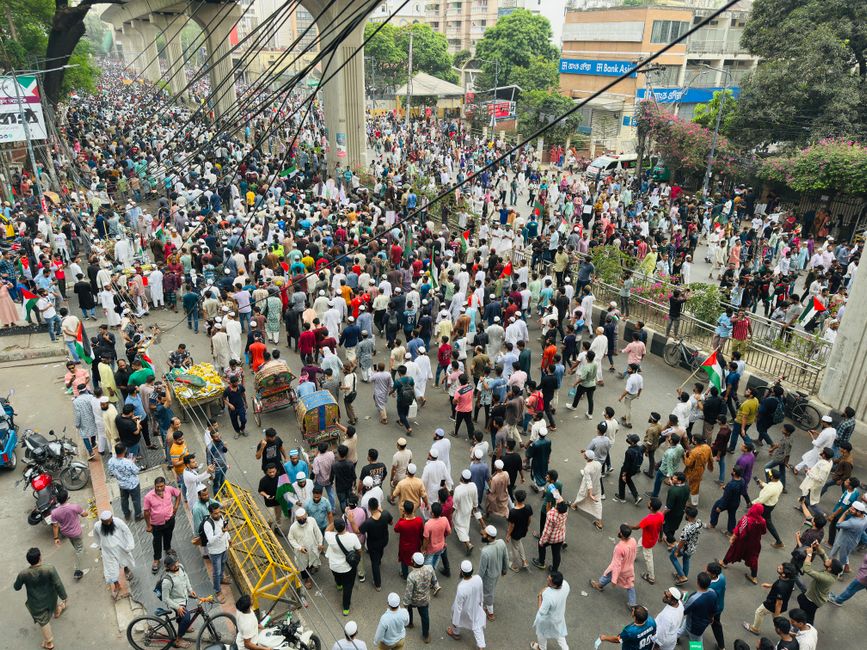
The relationship between India and Bangladesh is facing new challenges. This comes after the killing of a youth leader in Dhaka sparked protests against India. The situation has led to diplomatic problems and worries about safety and upcoming elections.
Key Events Leading to Unrest
-
Killing of Sharif Osman Hadi: A prominent youth leader, Sharif Osman Hadi, was killed in Dhaka. He was a key figure in last year's protests that removed the previous government. His death caused widespread anger and unrest.
-
Killing of Dipu Chandra Das: A young Hindu man, Dipu Chandra Das, was brutally killed in Mymensingh. Hindu religious groups protested, saying this was part of a larger pattern of attacks on minorities and religious extremism.
Diplomatic Issues and Visa Suspensions
Following the protests and killings, several diplomatic actions were taken:
- Bangladesh stopped giving visa services at its High Commission in New Delhi and other offices in India. They stated "unavoidable circumstances" for this decision.
- Earlier, India had also stopped visa services at its mission in Chittagong, Bangladesh, after protesters tried to enter the building.
- India expressed strong concerns about the safety of minority groups, the security of its diplomatic staff, and what it called "misleading stories" coming from Bangladesh.
- Bangladesh's temporary government said it might reduce its diplomatic staff in New Delhi if the situation does not improve.
Muhammad Yunus and the Promise of Elections
Muhammad Yunus, who leads Bangladesh's temporary government, spoke with a US special official. They discussed the recent events in Bangladesh.
Yunus promised to hold "free, fair, and peaceful" general elections on February 12. He said the country is "eagerly waiting" to regain its voting rights. However, he also warned that supporters of the ousted government were spending a lot of money to disrupt the election process.
More Violence and Threats
-
Inqilab Moncho, the group led by the killed leader Sharif Osman Hadi, gave a 24-hour warning. They demanded justice and threatened a large public movement to remove the current government if their demands were not met.
-
Another student leader, Motaleb Shikder, was shot in the head in Khulna just days after Hadi's death. Police are investigating, but this incident increased fears that leaders from last year's protests are being targeted.
Media Under Attack
The unrest also spread to media organizations. Violent groups attacked the offices of news outlets like Prothom Alo and The Daily Star in Dhaka. Prothom Alo had to stop printing for the first time in 27 years. Yunus condemned these attacks, calling them attacks on truth and freedom of the press.
Sheikh Hasina's Perspective
From India, Sheikh Hasina, the former Prime Minister of Bangladesh, blamed Yunus for the country's instability. She accused his temporary government of empowering extremist groups, failing to protect minorities, and harming relations with India. She stated that ties with India would only return to normal once a legitimate government was in place.
Key Points About the Bangladesh Unrest
Here are the main points about the recent situation in Bangladesh:
- The US special envoy talked with Muhammad Yunus about recent events.
- Bangladesh stopped visa services in India due to protests.
- Yunus promised fair elections but warned of efforts to stop them.
- The Inqilab Moncho group threatened a big protest movement.
- Another youth leader was shot, raising fears of targeted violence.
- India expressed concerns about the safety of minorities and diplomatic staff.
- Bangladesh is considering reducing its diplomatic presence in India.
- Former Prime Minister Sheikh Hasina strongly criticized Yunus.
- The unrest began with the killing of youth leader Sharif Osman Hadi.
- Protesters attacked several Bangladeshi media offices.