Bengaluru, the bustling capital of Karnataka, is currently experiencing significant disruption to its public transportation network due to an acute shortage of auto LPG. This critical fuel scarcity has reportedly idled nearly half of the city's extensive autorickshaw fleet, leaving countless commuters struggling with last-mile connectivity and daily travel plans severely impacted during peak hours, particularly in recent weeks.
Key points
- An severe shortage of auto LPG has led to approximately 50% of Bengaluru's autorickshaws being off the roads.
- The crisis stems largely from the closure of an estimated 80% of private auto LPG dispensing stations across Karnataka, impacting over 300 outlets.
- Global supply chain disruptions, reportedly linked to geopolitical tensions in West Asia, are cited as the primary cause for the private station closures.
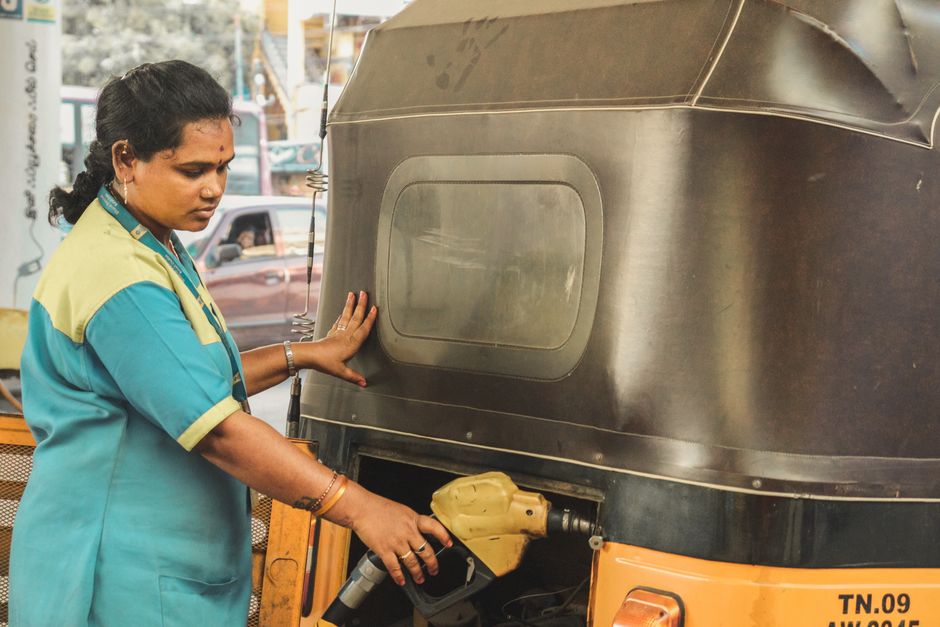
- This has shifted the entire demand burden onto public sector fuel stations, resulting in drivers waiting for four to five hours, often visiting multiple locations to refuel.
- Indian Oil Corporation Ltd (IOCL) has increased daily supply, but infrastructure limitations at public outlets prevent it from fully meeting the heightened demand.
- Authorities have advised drivers to temporarily switch to petrol, a feasible option for the 70% of autorickshaws equipped with dual-fuel systems.
What we know so far
The city of Bengaluru is grappling with an escalating transport challenge caused by a pronounced scarcity of auto LPG. This has directly led to a substantial portion of the city's autorickshaw services being unavailable for commuters. Reports indicate that close to half of Bengaluru's autorickshaw drivers are unable to operate their vehicles due to the lack of accessible fuel, creating difficulties for office-goers, students, and those relying on short-distance travel, especially during busy periods.
The primary catalyst for this situation appears to be the widespread closure of private LPG dispensing stations. Industry assessments suggest that roughly 80% of the more than 300 private auto LPG outlets operating in Karnataka are currently non-functional. This widespread shutdown is attributed to international supply chain interruptions, which are believed to be connected to ongoing tensions in West Asia, affecting the global availability and flow of LPG.
With private options largely unavailable, the entire demand for auto LPG has been redirected to public sector outlets. This has led to intense pressure on these government-run stations, resulting in exceptionally long queues, with drivers often waiting for four to five hours to refill their tanks. Many drivers report having to visit multiple stations before successfully finding fuel, while others have resorted to parking their vehicles near stations in anticipation of new stock arrivals. This uncertainty is severely impacting their daily earnings and making it difficult for them to maintain consistent work schedules.
Indian Oil Corporation Ltd (IOCL) has confirmed efforts to address the increased demand, stating that it has boosted its daily distribution of auto LPG. Supply figures show an increase from 43.5 metric tonnes in February to over 68.5 metric tonnes since April. However, IOCL officials have also acknowledged that existing infrastructure limitations, such as a restricted number of dispensing stations and insufficient storage capacity, are preventing the public sector from fully satisfying the current surge in demand.
Adding to the complexity is a notable price disparity between public and private fuel stations. Auto LPG is currently priced at approximately Rs 89.5 per litre at public sector undertaking (PSU) stations, whereas private pumps, when operational, typically charge between Rs 99 and Rs 105 per litre. This significant price difference naturally incentivizes drivers to seek out the more affordable PSU options, further exacerbating the queues and demand at these limited facilities.
In response to the crisis, local authorities have recommended that autorickshaw drivers temporarily switch to petrol. It is estimated that around 70% of Bengaluru's autorickshaws possess dual-fuel capability, meaning they can run on both LPG and petrol. This temporary measure has already been observed in smaller towns facing similar fuel challenges. Despite the on-ground difficulties, both the central and state governments have maintained that there is no overall shortage of LPG, though the impact on commuters and drivers in Bengaluru remains significant, with normal services yet to stabilize.
Context and background
Autorickshaws are an indispensable part of Bengaluru's urban fabric, providing crucial last-mile connectivity and affordable transport for millions of residents daily. They are a primary mode of transport for commuters navigating the city's congested roads, essential for students, office workers, and market-goers alike. The disruption of this service, therefore, has far-reaching consequences, extending beyond just the drivers and directly affecting the city's economic productivity and the daily lives of its citizens.
Auto LPG (Liquefied Petroleum Gas) is a popular alternative fuel for autorickshaws in India due to its cost-effectiveness compared to petrol and diesel, and its relatively cleaner emissions. Its widespread adoption has made the sector highly dependent on its consistent availability. The current crisis highlights the vulnerability of local urban transport systems to global supply chain disruptions. Geopolitical tensions, such as those in West Asia, can significantly impact the international supply and pricing of crude oil and its derivatives, including LPG, leading to localized shortages even if overall national reserves are stable.
The economic impact on autorickshaw drivers is severe. Their daily earnings are directly tied to the number of trips they can make. Hours spent in queues or searching for fuel translate into lost income, pushing many into financial hardship. For commuters, the shortage means longer waits, increased reliance on more expensive alternatives like ride-hailing services, or simply being unable to reach their destinations on time. This ripple effect can lead to decreased productivity, missed appointments, and general inconvenience across the city.
The advice to switch to petrol, while practical for dual-fuel vehicles, comes with its own set of challenges. Petrol is significantly more expensive than auto LPG, which would either reduce drivers' profit margins or necessitate higher fares for passengers, adding another layer of economic strain. Moreover, even with dual-fuel capability, a sudden, widespread shift to petrol could strain petrol supply chains and dispensing infrastructure, potentially leading to new bottlenecks.
What happens next
The immediate focus remains on stabilizing the supply of auto LPG and easing the pressure on public sector dispensing stations in Bengaluru. Authorities will likely continue to monitor the situation closely, particularly the flow of LPG from national suppliers like IOCL. Drivers are expected to continue adapting by utilizing their dual-fuel capabilities, relying on petrol where feasible, despite the increased operational costs.
In the longer term, this crisis may prompt a re-evaluation of Bengaluru's fuel infrastructure and supply chain resilience for public transport. Discussions could emerge regarding diversifying fuel sources, enhancing the capacity of existing public sector outlets, or exploring strategies to mitigate the impact of international supply disruptions on local services. The city will be watching for signs of reduced queue times and a return of the full autorickshaw fleet to service as indicators of recovery.
FAQ
- Q: Why is there an auto LPG shortage in Bengaluru?
A: The shortage is primarily due to the closure of many private auto LPG stations, reportedly caused by global supply chain disruptions linked to tensions in West Asia. This has redirected all demand to public stations, which are overwhelmed. - Q: How many autorickshaws are affected?
A: Nearly half of Bengaluru's autorickshaw fleet is reportedly off the roads due to the inability to access fuel. - Q: What are drivers doing to cope?
A: Drivers are spending hours in queues at public fuel stations, visiting multiple outlets, or parking near stations awaiting supply. Authorities have also advised them to temporarily switch to petrol if their vehicles are dual-fuel capable. - Q: Has the government increased supply?
A: Yes, Indian Oil Corporation Ltd (IOCL) has increased daily auto LPG supply since April, but infrastructure constraints at public stations prevent it from fully meeting the surge in demand. - Q: Is there an overall LPG shortage in the country?
A: Central and state governments maintain that there is no overall LPG shortage, suggesting the issue is localized to distribution and infrastructure challenges in Bengaluru and potentially other areas.