
Delhi's Winters: Then and Now
The Good Old Days of Winter Food
Winters in Delhi used to be wonderful for all our senses. As a child, I remember enjoying many special foods. The smell of tikki cooking slowly, the sound of cooks making crispy fried cutlets with curd and chutneys. We loved eating makke ki roti and sarson ka saag, bedvi/kachori aloo, chhole bhature, and hot samosas.
After these tasty meals, walks in Connaught Place (CP) would make us want more, especially when we smelled roasted peanuts. For dessert, there were always gaajar and daal halwa, hot jalebi, gazak, and til-gud laddoo. After heavy dinners, we would drink hot milk from a large pot, called kadahi ka doodh.
We felt no guilt eating so much because we were told our bodies needed extra calories to stay warm in the cold. The big eating season always started with the Diwali festivals.
Pollution Changes Everything
But things are different now. For the past few years, winters in Delhi and nearby areas mean very bad pollution and harmful smog. There's a constant smell of burning in the air until mid-December. This awful smell takes away any desire to eat the special winter foods.
Now, almost everyone coughs and has trouble breathing. Their throats hurt all the time. So, gargles, inhalers, and steamers have become common winter needs. Doctors even advise people to avoid fried foods.
How Food Businesses Are Changing
Many restaurants have stopped using firewood and coal in their tandoors (special ovens). They now use gas tandoors. This is to follow the changing rules about pollution. However, this change has made popular smoky foods like tikke, kulcha, and naan lose their special taste and texture.
The Delhi Pollution Control Committee (DPCC) has now completely banned the use of coal and firewood in tandoors. Only electric and gas tandoors are allowed.
Delhi Food Lovers Find Ways to Enjoy
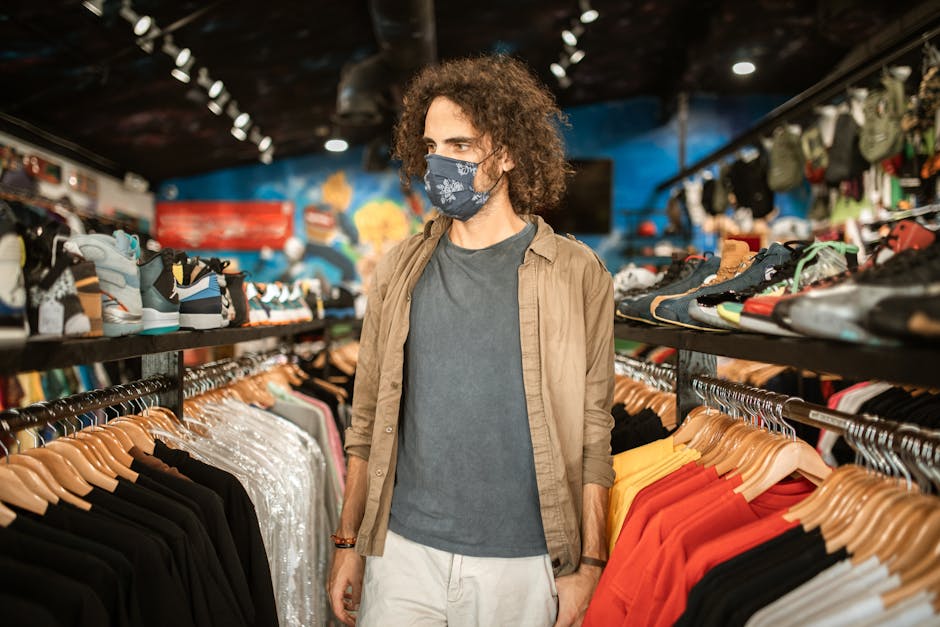
Even with all the dangers, like Bruce Willis in his 'Die Hard' movies, true Delhi food lovers still go out. They use their inhalers, wear masks, and try to enjoy the old traditions in new ways.
They take the metro to famous food spots:
- To Chandni Chowk for daulat ki chaat (a sweet, foamy dish).
- To Gole Market for bedvi aloo, jalebi, and halwa.
- To Shahjahan Road and Bengali Market for various chaat dishes.
- To Connaught Place (CP) for walks and street food like masala mooli, and to eat at the small eateries (dhabas).
- To Kamla Market, Tilak Nagar, Pahar Ganj, and Lajpat Nagar for chhole bhature.
After eating these oily treats, if their throats become sore, foodies often wonder why their medicines don't work! The reason is simple: they are afraid their family will scold them if they admit they ate unhealthy food.
The Paan Tradition Lives On
People still gather for the famous paan (a leaf filled with sweet or savory ingredients) outside a big hotel in central Delhi. They stand around a bonfire, waiting for their favorite type of paan, like saada, meetha, Banarasi, or Magahi.
For older Delhi residents, eating a very large sweet paan late at night and talking loudly, letting out vapor like cigarette smoke, is still a classic Delhi thing to do.
While the paan itself hasn't changed, what people talk about has. Instead of politics, almost everyone now talks about pollution. Then, a kind man (Panditji) often gives out some mulethi (licorice) powder to help with sore throats.
After that, friends go home, promising to meet again soon for another food adventure. "Get well soon, we have to go to Pahar Ganj for chhole bhature," my best friend told me recently as we said goodbye.
(Note: The writer is vegetarian, so no animals were involved in writing this article.)