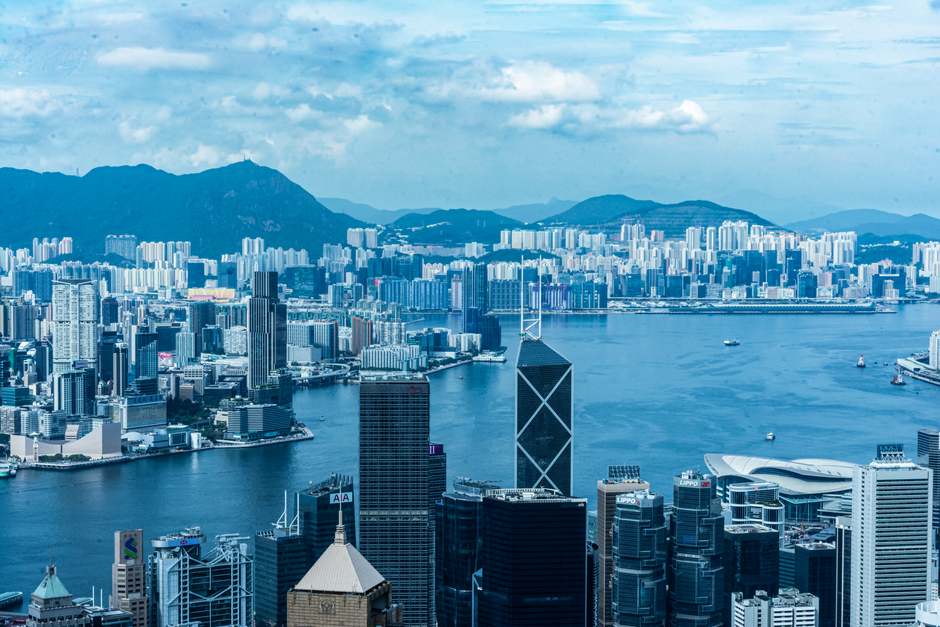
Hong Kong residents are currently facing the steepest petrol prices globally, with fuel costs reaching approximately $15.6 per gallon. This surge is largely attributed to escalating geopolitical tensions in the Middle East, which have driven international oil prices above the $100 per barrel mark for over a month. The situation compounds a pre-existing challenge for the city, which has consistently ranked among the most expensive places for fuel, despite a relatively low rate of private car ownership.
Key points
- Hong Kong is experiencing the world's highest petrol prices, currently around $15.6 per gallon.
- Global oil prices have surged past $100 per barrel due to ongoing Middle East conflicts and disruptions in vital shipping routes like the Strait of Hormuz.
- The city's fuel costs were already exceptionally high even before the recent international crisis, a trend noted by GlobalPetrolPrices.com.
- Despite only about 8.4% of Hong Kong's 7.5 million residents owning private vehicles, economists warn of broader economic impacts, including increased logistics costs and inflation.
- Hong Kong authorities affirm stable energy supply, with approximately 80% of its oil products sourced from mainland China, which the government cites as a key advantage.
- An increasing number of drivers are reportedly crossing the border to mainland China, where petrol prices can be as low as one-third of Hong Kong's rates.
What we know so far
The global energy landscape has been significantly impacted by heightened tensions in the Middle East, particularly involving oil-producing nations and the strategic Strait of Hormuz. This instability has kept international oil prices elevated, consistently above $100 per barrel for more than a month, creating ripple effects across economies worldwide. For Hong Kong, these global pressures have pushed an already high cost of living even further, with petrol prices reaching an unprecedented $15.6 per gallon, making it the most expensive city globally for motorists. By comparison, even the United States is experiencing its highest fuel rates since 2022, though still considerably lower than Hong Kong's.
This isn't a new phenomenon for Hong Kong. Data compiled by GlobalPetrolPrices.com, as reported by CNN, indicates that the city has held the unenviable title of the most expensive place for petrol even prior to the recent escalation of conflicts involving Iran. The impact of these high costs extends beyond the relatively small percentage of the population who own private vehicles – roughly 8.4% of its 7.5 million residents. Economic experts caution that rising fuel expenses will inevitably translate into higher logistics costs for businesses, which could then lead to increased prices for goods and services across the economy, contributing to inflation.
In response to public concerns, Hong Kong's Chief Executive, John Lee, has acknowledged the rising oil prices and stated that the government is closely monitoring market movements. Officials have also sought to reassure the public about the stability of the energy supply. A government press release, also cited by CNN, highlighted that approximately 80% of Hong Kong's oil products are sourced from mainland China. This strong support from "the motherland" is presented as a crucial factor enabling Hong Kong to maintain a stable energy supply amidst global shortages.
The stark price disparity between Hong Kong and mainland China is leading to practical consequences for consumers. Reports suggest a growing trend of Hong Kong drivers crossing the border into mainland China to refuel, where petrol can be purchased for as little as one-third of the price found in Hong Kong.
Context and background
Hong Kong's consistently high petrol prices are a complex issue, rooted in a combination of global market dynamics and specific local policies. Globally, the recent surge in oil prices is directly linked to geopolitical instability in the Middle East. The region is a critical source of global oil supply, and any perceived threat to production or shipping routes, such as the Strait of Hormuz – a narrow maritime choke point through which a significant portion of the world's oil passes – triggers market anxiety and drives up crude oil futures. This creates a volatile environment where prices can quickly escalate based on unfolding events.
Domestically, Hong Kong's unique economic and geographical characteristics contribute significantly to its elevated fuel costs. The city has long maintained relatively low private car ownership compared to other major global cities. This trend is not accidental but a direct consequence of several government policies and market realities. High fuel duties, substantial land costs (which impact the price of petrol station real estate and operational overheads), and steep vehicle registration fees all combine to make owning and operating a private car an expensive proposition. These duties and fees are often implemented to manage traffic congestion, promote public transport usage, and generate government revenue.
The extensive and highly efficient public transport network in Hong Kong serves as the primary mode of travel for the majority of its residents. This robust infrastructure, including MTR (subway), buses, trams, and ferries, is a cornerstone of urban mobility, reducing the necessity for widespread private vehicle ownership. While this system mitigates the direct impact of high fuel prices on most commuters, the indirect effects are still significant.
Economists' warnings about rising logistics expenses are particularly pertinent. Businesses that rely on transportation for goods, from food to electronics, face higher operational costs when fuel prices climb. These increased costs are typically passed on to consumers through higher prices for products, contributing to broader inflationary pressures across the economy. This means that even residents who never drive a car will ultimately feel the pinch in their daily shopping and living expenses, underscoring why the issue matters to everyone.
The Hong Kong government's emphasis on its energy supply from mainland China highlights a strategic reliance. While this arrangement provides a degree of insulation from the most extreme global supply chain disruptions, it doesn't necessarily translate to lower pump prices for consumers, as local taxes and duties remain a dominant factor in the final cost.
What happens next
As global energy markets remain volatile, Hong Kong residents should anticipate sustained high petrol prices in the near future, barring significant de-escalation of Middle East tensions or substantial shifts in global oil supply. The Hong Kong government is expected to continue its policy of close market monitoring, as stated by Chief Executive John Lee, to ensure supply stability. However, there is no indication from the source that direct price subsidies or significant tax reductions are imminent.
Consumers are likely to further adapt to the high costs. The trend of drivers crossing the border to mainland China for cheaper fuel may intensify, impacting local petrol station revenues. For the vast majority of the population, reliance on the city's comprehensive public transport system will remain the most economical and practical choice for daily commuting. Businesses, particularly those involved in logistics and retail, will continue to grapple with elevated operational costs, potentially leading to ongoing inflationary pressures that could affect consumer prices across various sectors. The long-term trajectory of Hong Kong's fuel prices will largely depend on the interplay between global geopolitical stability and the city's enduring domestic tax and land policies.
FAQ
- Why are petrol prices in Hong Kong so high? Petrol prices are high due to a combination of factors: significant fuel duties and taxes imposed by the government, high land costs for petrol stations, and the current surge in global oil prices driven by geopolitical tensions.
- How do global conflicts in the Middle East affect Hong Kong's fuel prices? Conflicts in the Middle East, a major oil-producing region, create uncertainty in the global oil supply. Disruptions or threats to key shipping routes like the Strait of Hormuz cause international crude oil prices to rise, which then impacts the cost of refined petrol imported by Hong Kong.
- Does Hong Kong's government have a plan to lower fuel prices? The government has expressed concern and stated it is closely monitoring market movements and assuring supply stability, particularly through its strong energy supply from mainland China. However, the source does not detail specific plans for direct price reduction or subsidies.
- How do high petrol prices affect non-car owners in Hong Kong? Even without owning a car, residents are affected. High fuel costs increase logistics and transportation expenses for businesses. These elevated costs are often passed on to consumers through higher prices for goods and services, contributing to overall inflation.
- Are Hong Kong drivers crossing into mainland China for cheaper fuel? Yes, reports indicate that an increasing number of Hong Kong drivers are crossing the border to mainland China to refuel, where petrol prices can be significantly lower, sometimes as little as one-third of Hong Kong's prices.