
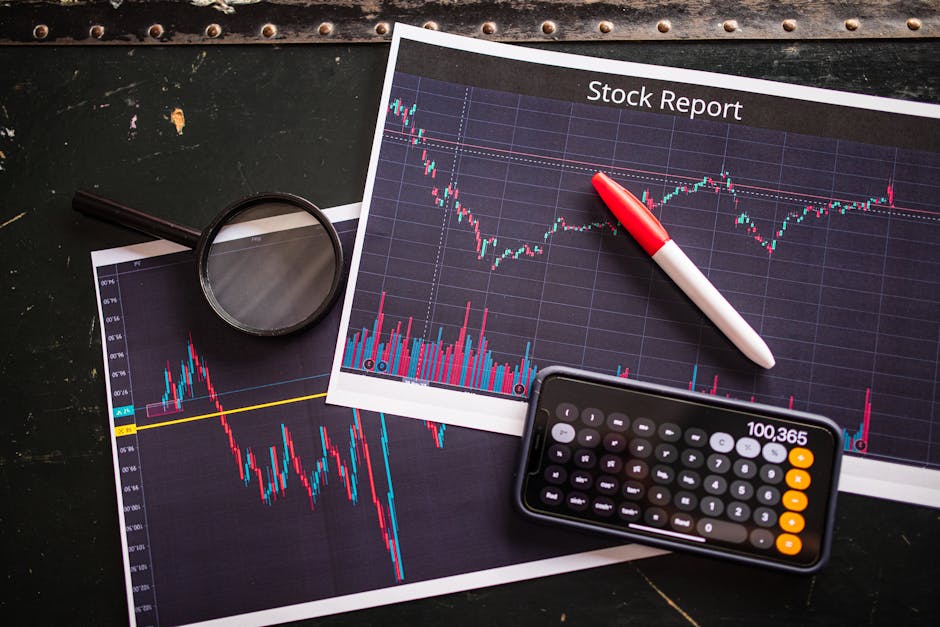
Indian benchmark equity indices, the Nifty50 and Sensex, experienced significant gains during a recent trading session, reflecting renewed investor confidence. The Nifty50, representing the National Stock Exchange's top 50 companies, climbed 255 points to close at 22,968, while the Bombay Stock Exchange's Sensex, comprising 30 prominent stocks, jumped by 787 points. This robust upward movement was primarily driven by a strong performance from banking sector stocks, which lifted overall market sentiment.
Key points
- The Nifty50 index recorded a gain of 255 points, concluding the day at 22,968.
- The Sensex index saw a substantial increase of 787 points, demonstrating broad market strength.
- Banking sector equities were identified as the leading drivers behind the day's market rally.
- The positive movement suggests an uplift in investor sentiment across various market segments.
What we know so far
On the specified trading day, the National Stock Exchange's flagship index, the Nifty50, registered a notable increase, settling 255 points higher to close at a value of 22,968. Concurrently, the Sensex, the benchmark index of the Bombay Stock Exchange, also demonstrated a significant upward trend, adding 787 points to its value. This positive market activity was largely attributed to a strong performance within the banking sector, with banking stocks playing a crucial role in boosting overall market sentiment and contributing substantially to the indices' gains.
Context and background
The performance of India's stock markets, as reflected by indices like the Nifty50 and Sensex, serves as a vital barometer for the nation's economic health and investor confidence. The Nifty50 tracks the performance of the 50 largest and most liquid Indian companies across various sectors listed on the National Stock Exchange. It is often seen as a broad representation of the Indian economy. Similarly, the Sensex (Sensitive Index) comprises 30 financially sound and well-established companies listed on the Bombay Stock Exchange, making it another key indicator of market direction and economic stability.
Stock market movements are influenced by a complex interplay of factors, including macroeconomic data, corporate earnings, global market trends, geopolitical events, and domestic policy decisions. Positive market days, such as the one observed, often signal that investors are optimistic about future economic growth, corporate profitability, or specific sector prospects. Conversely, downturns can reflect concerns about inflation, interest rate hikes, or broader economic slowdowns.
The significant role played by "bank stocks" in lifting sentiment is particularly noteworthy. The banking sector is a cornerstone of any economy, as it facilitates credit, manages money supply, and provides essential financial services. Banks are often seen as proxies for economic activity; when they perform well, it suggests healthy lending, robust credit growth, and overall economic stability. A strong banking sector can boost investor confidence because it implies that businesses are borrowing and expanding, and consumers are engaging in financial transactions, all of which are indicators of a vibrant economy. Furthermore, banking stocks typically have a substantial weightage in major indices like the Nifty50 and Sensex, meaning their movements can significantly impact the overall index performance.
Investor sentiment, a key phrase in market analysis, refers to the overall attitude of investors towards a particular security or financial market. When sentiment is positive, investors are more inclined to buy, driving prices up. When it's negative, they tend to sell, leading to price declines. This sentiment can be swayed by a variety of news, including government policies, central bank announcements, corporate quarterly results, and even global economic indicators that might affect India's trade or capital flows. The recent surge, therefore, points towards a prevailing optimism among market participants, particularly regarding the financial sector's outlook.
What happens next
Following a strong market rally, investors typically watch for several key indicators to determine if the momentum will continue or if a period of consolidation or profit-booking might follow. Future market movements will heavily depend on upcoming economic data releases, such as inflation figures, industrial production, and GDP growth forecasts, which provide further insight into the health of the economy. Quarterly corporate earnings reports from major companies, especially those in the banking sector, will also be closely scrutinized for signs of sustained profitability and growth.
Global market cues, including developments in major economies like the US, Europe, and China, along with international commodity prices, can also influence investor sentiment in India. Additionally, any policy statements from the Reserve Bank of India or the government regarding interest rates, fiscal measures, or regulatory changes will be critical. While a single day's strong performance is positive, the long-term trend will be shaped by these fundamental factors and the sustained confidence of both domestic and foreign institutional investors.
FAQ
- What are the Nifty50 and Sensex?
The Nifty50 is a benchmark index of the National Stock Exchange, representing the top 50 Indian companies across various sectors. The Sensex is the benchmark index of the Bombay Stock Exchange, comprising 30 large, well-established Indian companies. Both serve as key indicators of the Indian stock market and economy. - Why are bank stocks important for the market?
Bank stocks hold significant weight in major indices and are considered bellwethers for the broader economy. Their performance reflects credit growth, lending activity, and overall financial stability, making them crucial indicators of economic health and investor confidence. - What does "lifting sentiment" mean in stock markets?
"Lifting sentiment" means that investor confidence and optimism have improved, leading them to be more willing to buy stocks. This positive outlook can be driven by good news, strong economic data, or favorable corporate performance, resulting in rising stock prices. - Does a market rally always mean the economy is strong?
While a market rally often reflects optimism about economic growth, it doesn't always directly equate to immediate economic strength. Markets are forward-looking and can sometimes rally based on *expectations* of future improvements or specific sector performance, even if current economic indicators are mixed.