Saudi Arabia, a pivotal player in global energy markets, has announced a significant increase in the price of its primary crude oil grade destined for Asian buyers. This adjustment comes as the Middle East region continues to grapple with escalating geopolitical tensions, which have disrupted worldwide energy supply chains for over a month. The move by state-owned oil giant Saudi Aramco reflects the ongoing volatility and uncertainty in the international oil market.
Key points
- Saudi Aramco raised the premium for its Arab Light crude for May sales to Asia by $19.50 per barrel above the benchmark price.
- This increase, while substantial, is still below the $40 per barrel premium that many traders and refiners had anticipated.
- The price hike occurs amidst a six-week period of heightened conflict and instability across the Middle East.
- Geopolitical rhetoric, including threats of strikes against Iranian infrastructure, has contributed to market jitters.
- Global oil prices, including Brent and West Texas Intermediate (WTI) crude, have consistently remained above $100 per barrel, with significant recent gains.
- Fuel prices in major economies like the US, Europe, and Asia are also experiencing upward trends.
What we know so far
In a recent announcement, Saudi Aramco, the national oil company of Saudi Arabia, confirmed a significant upward revision in the pricing of its flagship Arab Light crude for customers in Asia for May deliveries. The premium for this grade has been set at $19.50 per barrel over its established benchmark. This adjustment, effective for sales in the upcoming month, signals the kingdom's response to prevailing market conditions. Despite this notable increase, the premium remains considerably lower than the $40 per barrel that market participants, including traders and refiners, had projected, as indicated by a survey conducted by Bloomberg.
This pricing decision unfolds against a backdrop of intensifying regional instability, now entering its sixth week. The ongoing conflict has had a demonstrable impact on global energy flows, fueling concerns about supply disruptions. Tensions have been particularly high, with statements from key international figures contributing to market apprehension. For instance, recent remarks from former US President Donald Trump, posted on Truth Social and later reiterated to Fox News, suggested potential military actions against Iranian infrastructure if certain conditions were not met. Iran, in turn, issued a firm warning through Esmail Baghaei, stating that its armed forces would retaliate "in kind" if its sites were targeted.
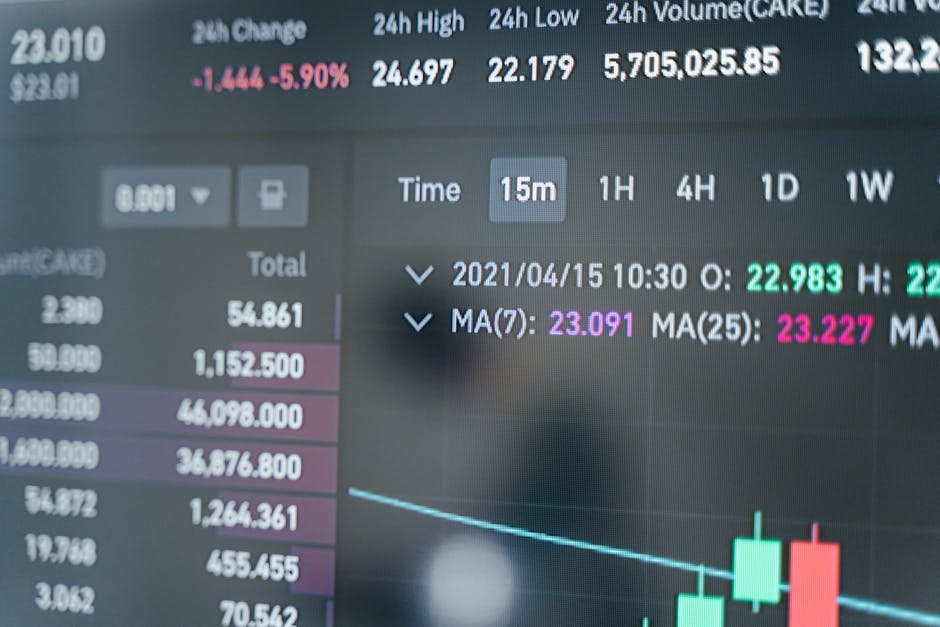
The financial markets have already reacted strongly to these developments. Oil prices have maintained levels well above the $100 per barrel mark. Brent crude, a global benchmark, has seen its value climb by over 50% in recent times. Similarly, fuel costs have been rising across major economic regions, including the United States, Europe, and Asia. In recent trading, West Texas Intermediate (WTI) crude saw a 1.86% increase to $113.62 per barrel, while Brent crude gained 1.16% to reach $110.30 per barrel, both continuing to trade above the critical $100 threshold. Market movements ahead of a recent holiday weekend also reflected this volatility, with both WTI and Brent experiencing their most substantial single-day gains since 2020, following indications of potential further attacks in the region.
Context and background
Saudi Arabia holds the distinction of being the world's largest crude oil exporter and a foundational member of OPEC+, the influential alliance of oil-producing nations. Its pricing decisions, particularly for its various crude grades, serve as a critical barometer for the global oil market. Arab Light crude is one of its most significant offerings, widely consumed by Asian refiners due to its quality and consistent supply. The premium Saudi Aramco charges for its crude is a crucial component of its pricing strategy, reflecting both demand and geopolitical factors.
The current price hike is inextricably linked to the ongoing geopolitical turmoil in the Middle East. The region, a nexus of global energy infrastructure, has been experiencing heightened tensions, directly impacting the perceived security of oil supply routes. One of the most critical chokepoints is the Strait of Hormuz, a narrow waterway through which a significant portion of the world's seaborne oil passes daily. Threats or actual disruptions in this strait can send immediate shockwaves through global energy markets, leading to sharp price increases due to fears of supply shortages. The rhetoric surrounding potential military action, even if not fully realized, creates a "risk premium" in oil prices, where traders factor in the increased likelihood of supply disruptions.
Historically, periods of instability in the Middle East, from the Arab-Israeli conflicts to the Iran-Iraq War and more recent regional skirmishes, have consistently led to spikes in oil prices. This is because market participants understand that any major disruption in this region can severely curtail global oil availability. Saudi Arabia, as a major producer, often finds itself navigating these complex dynamics, balancing its role as a stable supplier with its economic interests. The fact that the premium, while high, is still lower than some market expectations suggests a complex interplay of factors, including potentially Saudi Arabia's desire to maintain market share or a more nuanced assessment of immediate supply risks compared to some traders.
The broader implications of sustained high oil prices are far-reaching. For consumers, it translates directly into higher costs at the pump and increased utility bills. For industries, particularly those reliant on transportation and manufacturing, higher energy costs can squeeze profit margins and contribute to inflationary pressures. Central banks globally often watch oil prices closely as a key indicator of inflation, which can influence monetary policy decisions. In an already fragile global economy, prolonged high oil prices can act as a significant drag on growth, potentially triggering recessions in import-dependent nations.
What happens next
The immediate future of global oil markets will likely remain highly sensitive to developments in the Middle East. Any de-escalation of tensions, whether through diplomatic breakthroughs or a reduction in confrontational rhetoric, could see a tempering of the current risk premium built into oil prices. Conversely, any further escalation, particularly involving critical energy infrastructure or shipping lanes like the Strait of Hormuz, would almost certainly lead to additional price spikes and increased market volatility.
Market participants will be closely monitoring official statements from key regional and international actors, as well as tracking actual crude oil flows and inventory levels. Saudi Aramco's future pricing decisions will also be a key indicator of its assessment of market conditions and geopolitical risks. Refiners in Asia, heavily reliant on Middle Eastern crude, will need to adjust their procurement strategies and product pricing to account for these elevated costs, which could ultimately impact consumer prices for various petroleum products across the continent.
Furthermore, the actions of OPEC+ will be under scrutiny. While the current price environment is favorable for producers, sustained high prices can also prompt calls from major consuming nations for increased supply. The delicate balance between managing supply, maintaining market stability, and responding to geopolitical events will continue to shape the global energy landscape in the coming months.
FAQ
- What is Arab Light crude? Arab Light is a key grade of crude oil produced by Saudi Arabia, known for its medium density and sulfur content, making it suitable for a wide range of refined products. It is a benchmark for Middle Eastern oil sales, particularly to Asian markets.
- Why does the Middle East conflict affect oil prices globally? The Middle East is the world's largest oil-producing region, and any instability there threatens the supply of a significant portion of global oil. Key shipping lanes, like the Strait of Hormuz, are crucial for oil transport, and disruptions can cause immediate price surges due to supply fears.
- What is a "premium over benchmark" in oil pricing? It means the additional cost added to a standard reference price (the benchmark, e.g., Brent or WTI) for a specific crude grade. This premium can reflect demand, quality, transportation costs, and geopolitical risk for that particular oil.
- How do rising oil prices impact consumers? Higher crude oil prices typically translate to increased costs for refined products like gasoline, diesel, and jet fuel, leading to higher prices at the pump, increased shipping costs for goods, and potentially higher utility bills if power generation relies on oil.
- What is the Strait of Hormuz? It is a narrow, strategically vital waterway connecting the Persian Gulf to the open ocean. A significant portion of the world's crude oil and liquefied natural gas (LNG) passes through this strait, making it a critical chokepoint for global energy supplies.