
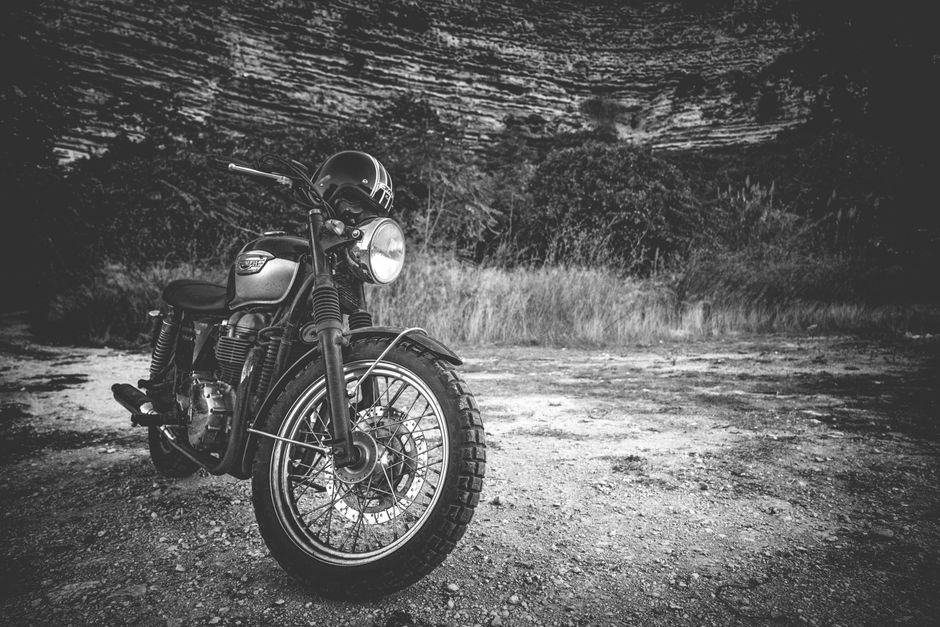
Triumph Motorcycles has introduced a new addition to its Indian lineup, the Triumph Tracker 400, launched at an ex-showroom price of Rs. 2.46 lakh. This latest model, despite its "400" moniker, is notable for being the British brand's first offering in India to feature a specifically designed 350cc engine, a strategic move influenced by recent changes in the country's tax structure for two-wheelers.
Key points
- The new Triumph Tracker 400 has been launched in India, priced at Rs. 2.46 lakh (ex-showroom).
- It features a newly developed TR-series 350cc liquid-cooled, single-cylinder engine, delivering 40 PS and 32 Nm of torque.
- Its design takes inspiration from flat track racing, blending retro aesthetics with a modern sporty stance.
- The motorcycle is equipped with premium hardware, including USD front forks, a monoshock rear suspension, and disc brakes.
- Modern rider aids such as switchable traction control, dual-channel ABS, and a torque-assist clutch are integrated for enhanced safety and convenience.
- The strategic choice of a 350cc engine aims to achieve competitive pricing under India's revised Goods and Services Tax (GST) regulations for motorcycles.
What we know so far
The Triumph Tracker 400, a recent entrant into the Indian motorcycle market, carries an ex-showroom price tag of Rs. 2.46 lakh. At its core is a newly developed TR-series 350cc, liquid-cooled, single-cylinder engine. This powertrain delivers a peak power output of 40 PS at 8,750 rpm and generates 32 Nm of torque at 7,500 rpm, managed by a precise 6-speed gearbox.
Visually, the Tracker 400 draws heavily from flat track racing aesthetics, presenting a blend of classic retro styling with a contemporary sporty posture. Distinctive design elements include a circular LED headlamp complemented by a compact front screen, a flat handlebar, and a straight, flat seat. The motorcycle also features a distinctively straight fuel tank, racing-inspired graphic details, and a side number board prominently displaying "400" branding. Completing its look is an upswept twin-can exhaust system, contributing to its aggressive profile.
In terms of mechanical components, the bike is fitted with upside-down (USD) front forks and a monoshock suspension system at the rear, designed for optimal handling and comfort across various road conditions. Braking performance is ensured by a substantial 300 mm disc brake at the front wheel and a 230 mm disc at the rear, providing confident stopping power. Rider safety and convenience features include switchable traction control, a dual-channel Anti-lock Braking System (ABS) for enhanced stability during braking, and a torque-assist clutch, which reduces lever effort and aids in smoother gear changes, enhancing both control and riding ease.
Context and background
The introduction of the Triumph Tracker 400 marks a significant strategic pivot for Triumph Motorcycles in the Indian market. While the "400" in its name might suggest a larger displacement, the decision to equip this model with a new 350cc engine is a direct response to India's dynamic automotive tax policies. This move is crucial for the brand's competitive positioning in one of the world's largest two-wheeler markets, where pricing is a critical factor for consumer adoption.
India's Goods and Services Tax (GST) structure for motorcycles underwent a revision last year, creating distinct tax brackets based on engine capacity. Motorcycles with engines exceeding 350cc are now subject to a higher 40% tax rate, whereas those with engines up to 350cc fall into a significantly lower 18% bracket. This substantial difference in taxation directly impacts the final retail price for consumers. By designing the Tracker 400 with a 350cc engine, Triumph can leverage the lower tax slab, enabling them to offer the motorcycle at a more attractive and competitive price point, as seen with its Rs. 2.46 lakh ex-showroom tag. This strategy allows premium brands to penetrate a broader segment of the market that might otherwise be deterred by higher prices, making high-quality motorcycles more accessible.
The Indian two-wheeler market is characterized by its vast scale and diverse consumer preferences, with a strong demand for models that balance performance, fuel efficiency, and affordability. The 350cc segment, in particular, has become a battleground for manufacturers, as it represents a sweet spot offering enough power for varied riding conditions without incurring excessive taxation. Triumph's entry into this segment with a purpose-built engine signifies their commitment to adapting to local market conditions and challenging established players who have long dominated this space.
Furthermore, the Tracker 400's design philosophy, drawing inspiration from flat track racing, adds another layer of context. Flat track racing, known for its minimalist yet aggressive styling, translates into a motorcycle that is both visually distinctive and potentially agile. Features like the flat handlebar, flat seat, and straight fuel tank contribute to a unique rider posture and aesthetic appeal, aiming to attract riders looking for a blend of retro charm and modern performance. The inclusion of contemporary features like LED lighting for improved visibility, advanced suspension (USD forks for better handling, monoshock for ride comfort), and electronic rider aids (traction control to prevent wheel spin, dual-channel ABS for safer braking, and a torque-assist clutch for lighter clutch action) ensures that while the bike has a vintage soul, it offers a thoroughly modern riding experience in terms of safety, control, and convenience. These features are increasingly expected by discerning Indian consumers, even in mid-capacity motorcycles. The "ex-showroom price" mentioned refers to the cost of the vehicle at the dealership, excluding additional charges such as registration, road tax, and insurance, which vary by state and are added to the final on-road price.
What happens next
Following its launch, the Triumph Tracker 400 will now face the ultimate test of market acceptance in India. Industry observers will closely monitor how this new 350cc offering performs against a formidable array of competitors in the highly contested mid-capacity motorcycle segment. Its success will largely hinge on how consumers perceive its blend of unique flat track-inspired styling, the performance of its new engine, and its competitive pricing strategy, particularly given the tax advantages.
The strategic decision to utilize a 350cc engine for tax benefits could prove to be a significant advantage, potentially influencing sales volumes and market share for Triumph in the coming months. Should the Tracker 400 resonate well with Indian riders, it could encourage Triumph and other premium manufacturers to further explore and invest in models specifically tailored to India's regulatory and consumer landscape. Its performance will also offer insights into the evolving preferences of Indian motorcycle enthusiasts, particularly regarding the appeal of retro-sport designs coupled with modern technology and accessible pricing. The brand's ability to establish a strong after-sales service network and ensure parts availability will also be critical for long-term success and customer satisfaction in this competitive market.
FAQ
- Q: What is the ex-showroom price of the Triumph Tracker 400 in India?
A: The Triumph Tracker 400 is launched with an ex-showroom price of Rs. 2.46 lakh in India. - Q: What is the engine capacity of the new Triumph Tracker 400?
A: Despite its name suggesting "400," the Tracker 400 features a new TR-series 350cc, liquid-cooled, single-cylinder engine. - Q: Why did Triumph choose a 350cc engine instead of a 400cc for the Indian market?
A: The 350cc engine was chosen strategically to benefit from India's revised GST structure, which applies a lower 18% tax rate to motorcycles up to 350cc, compared to 40% for those above 350cc, allowing for more competitive pricing. - Q: What are some key design inspirations for the Triumph Tracker 400?
A: The motorcycle draws clear inspiration from flat track racing, featuring retro styling cues combined with a sporty stance, including a round LED headlamp, flat handlebar, flat seat, and racing-style graphics. - Q: Does the Triumph Tracker 400 come with advanced safety features?
A: Yes, it is equipped with modern safety and rider aid features such as switchable traction control, dual-channel ABS, and a torque-assist clutch.