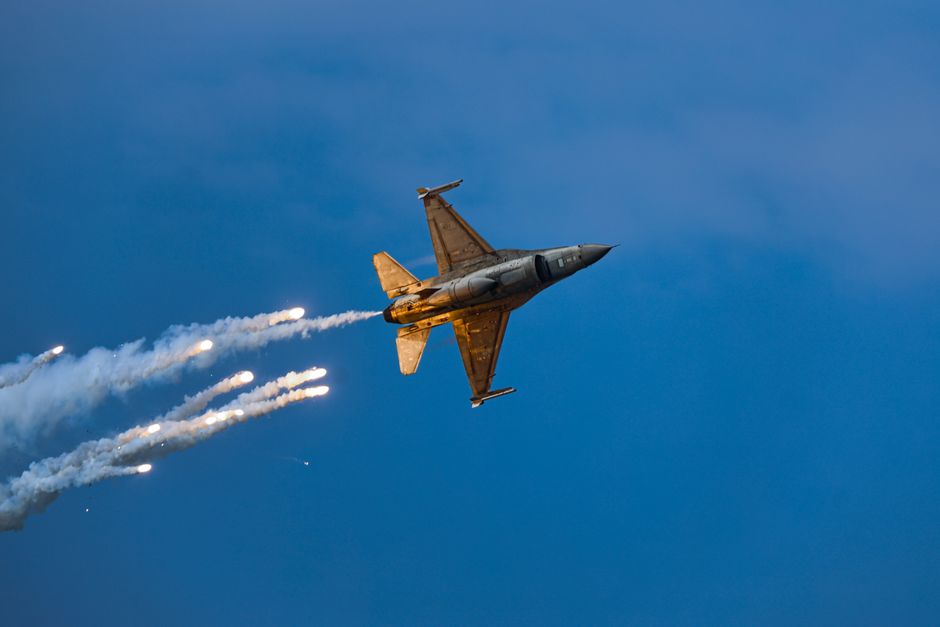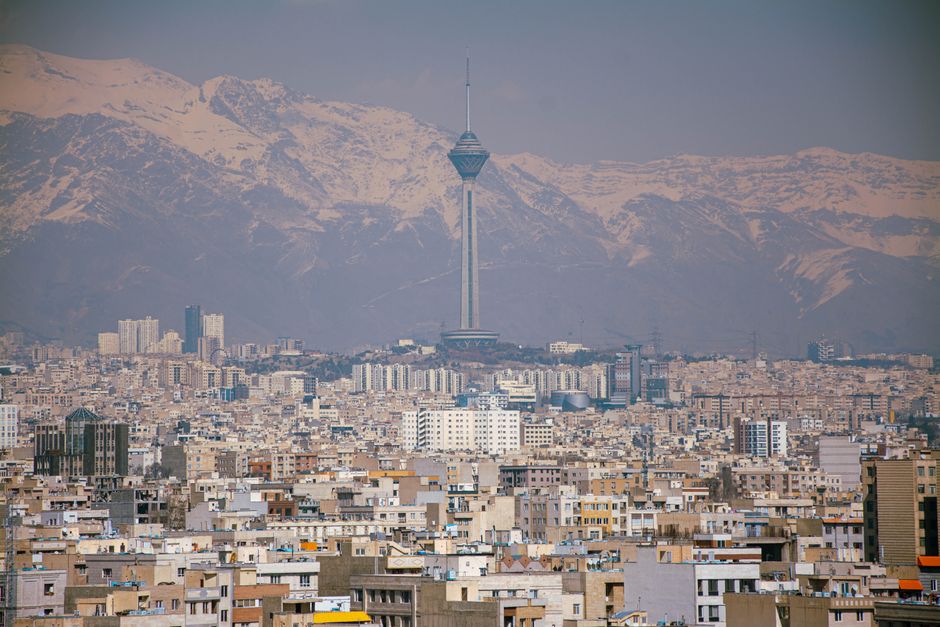

A United States F-15 airman, whose jet was shot down over Iranian territory, sent a radio message that initially caused significant alarm among Washington officials, who feared it could be a deliberate ploy by Iran to ensnare American forces. The brief communication, described by President Donald Trump as "Muslim-sounding," prompted concerns of a trap before a high-stakes special operations mission successfully rescued the stranded pilot deep within Iran.
Key points
- An F-15E fighter jet was reportedly shot down over Iranian airspace.
- The surviving US airman transmitted a radio message that was initially misinterpreted as potentially part of an Iranian deception.
- President Trump and defense officials confirmed the airman’s message, which was along the lines of "God is good" or "Power be to God."
- Officials attributed the religious nature of the message to the airman's deeply held personal beliefs.
- A complex and "daring" rescue operation involved nearly 100 US special operations forces inserted into rugged terrain south of Tehran.
- The injured airman, suffering a sprained ankle, was successfully retrieved from a hidden crevice, aided by a CIA deception campaign.
What we know so far
Details have emerged concerning a perilous incident involving a U.S. F-15E aircraft that was brought down over Iranian territory. Following the downing, the surviving American airman transmitted a radio message that, according to then-President Donald Trump, initially triggered considerable apprehension within Washington. Trump recounted that the message, which he characterized as sounding "like something a Muslim would say," was interpreted by some officials as a potential ruse orchestrated by Iran to lure U.S. forces into a dangerous ambush. The specific phrases cited were "Power be to God," as stated by Trump, and "God is good," a version corroborated by a U.S. defense official and former Defense Secretary Pete Hegseth.
Further clarification from defense officials indicated that the airman was known to be deeply religious, suggesting his remark was consistent with his personal character rather than a sign of compromise. This understanding was crucial in dispelling initial fears and confirming the pilot's authenticity. The airman, a weapons specialist, sustained a sprained ankle but managed to employ his survival and evasion training to establish contact and authenticate his identity. He was found hiding in a crevice on a 7,000-foot ridge in rugged terrain located south of Tehran.
The subsequent rescue operation was described by President Trump as one of the most "daring" in U.S. history. It involved a covert insertion of nearly 100 special operations forces under the cover of darkness. Simultaneously, the Central Intelligence Agency (CIA) reportedly executed a deception campaign designed to misdirect Iranian forces regarding the airman's true location, thereby facilitating the high-risk extraction. The mission successfully recovered the injured pilot, averting a potentially severe international crisis and demonstrating the U.S.'s capability to conduct complex recovery operations in hostile environments.
Context and background
The incident involving the downed F-15E and the subsequent rescue operation occurs against a backdrop of persistently tense relations between the United States and Iran. For decades, the two nations have been locked in a geopolitical rivalry, marked by proxy conflicts, economic sanctions, and occasional direct confrontations. Any military incident involving U.S. assets or personnel within Iranian territory carries significant risks of escalation, highlighting why the initial radio message generated such profound concern about a potential trap. The fear of a "trap" reflects the deep mistrust and strategic maneuvering characteristic of U.S.-Iran interactions.
The F-15E Strike Eagle is a formidable, all-weather, multirole fighter designed for air-to-air combat and ground attack. Its presence over Iranian airspace, even if accidental or due to mechanical failure, would immediately be seen as a highly provocative act by Tehran. The loss of such an advanced aircraft, coupled with the potential capture of its pilot, would represent a major intelligence coup for Iran and a significant blow to U.S. prestige and operational security.
Military doctrine places a paramount importance on personnel recovery, especially for highly trained pilots and special operations forces. The commitment to leave no soldier behind is a core tenet, and nations invest heavily in developing sophisticated capabilities for combat search and rescue (CSAR) and non-conventional assisted recovery (NCAR) operations. These missions are inherently dangerous, often requiring highly specialized units like those involved in this rescue. The deployment of nearly 100 special operations forces deep into hostile territory underscores the critical value placed on the airman's life and the intelligence he possessed.
The involvement of the CIA in a deception campaign is also a significant detail. Such operations are designed to create confusion, misdirect enemy resources, and buy crucial time for rescue teams. This coordinated effort highlights the multi-agency approach often required for high-stakes, cross-border missions where intelligence, operational planning, and tactical execution must be flawlessly integrated. The successful authentication of the airman, combined with his survival training, was vital in distinguishing a genuine call for help from a potential hostile ruse, demonstrating the layered security protocols in place for such scenarios.
What happens next
While the immediate crisis of the downed F-15 airman and his rescue has concluded, the implications of such a high-stakes operation in a hostile nation often resonate for some time. In the short term, military and intelligence agencies would conduct thorough debriefings of the airman and the special operations forces involved to gather all possible intelligence about the incident, the rescue, and any Iranian responses observed. This information would be critical for evaluating operational successes, identifying vulnerabilities, and refining future protocols for similar situations.
From a diplomatic and geopolitical perspective, the U.S. would likely maintain a discreet posture regarding the specifics of the mission, given its clandestine nature and the potential for further escalation if publicly detailed. While President Trump publicly acknowledged the "daring" nature of the rescue, precise operational details often remain classified to protect future capabilities and sources. Iran, on the other hand, might use the incident, if they choose to acknowledge it, to reinforce narratives about foreign incursions into its airspace or to highlight its air defense capabilities. However, given the successful extraction, Iran's public response might be minimal if they were effectively deceived about the airman's location and the rescue operation itself.
Looking ahead, such events typically reinforce the ongoing strategic competition between the U.S. and Iran. Both sides will continue to monitor each other's military movements and capabilities closely. The successful rescue, however, serves as a powerful message about the U.S.'s resolve and capacity to protect its personnel, even under the most challenging circumstances, potentially influencing future deterrence strategies in the region.
FAQ
- Q: What happened to the F-15 aircraft?
A: The F-15E aircraft was reportedly shot down and destroyed over Iranian territory. - Q: Why was the airman's radio message initially concerning?
A: The message, described as "Muslim-sounding," raised fears among U.S. officials that it could be an Iranian trap to lure American forces. - Q: What was the exact message the airman sent?
A: Accounts vary slightly, but it was confirmed to be a religious expression, either "God is good" or "Power be to God." - Q: Was the airman injured during the incident?
A: Yes, the airman sustained a sprained ankle but managed to evade capture and authenticate himself. - Q: How was the airman rescued?
A: Nearly 100 U.S. special operations forces conducted a high-risk covert rescue mission deep inside Iran, supported by a CIA deception campaign.