Tom Hanks

Tom Hanks

Actor, producer, writer and director

Explore Tom Hanks's biography, career highlights, notable work and connected film and television credits.

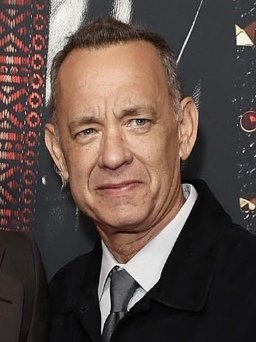
Photo: Eva Rinaldi from Abbotsford, Australia / CC BY-SA 2.0
Career overview

About Tom Hanks

Tom Hanks is an American actor and filmmaker whose career connects popular comedy, historical drama, family entertainment and large-scale studio filmmaking. He first became widely familiar through television and light comedy, then developed into a leading dramatic performer during the 1990s. His best-known roles often place an ordinary, recognisable person inside an unusual moral or physical challenge. Hanks has also worked as a producer on films, documentaries and television miniseries through Playtone. This profile looks at the shape of his career, the qualities that recur in his performances and the films that helped establish his long relationship with audiences.

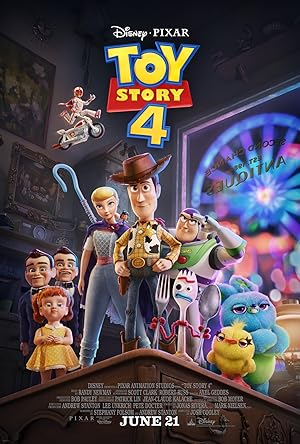
Known for: Forrest Gump, Philadelphia, Saving Private Ryan, Cast Away and the Toy Story films

Biography

Thomas Jeffrey Hanks (born July 9, 1956) is an American actor and filmmaker. Known for both his comedic and dramatic roles, he is one of the most popular and recognizable film stars worldwide, and is regarded as an American cultural icon. In 2020, Hanks was ranked as the fourth-highest-grossing American film actor of all time. His numerous awards include two Academy Awards, seven Emmy Awards, and four Golden Globe Awards; he has also been nominated for five BAFTA Awards and a Tony Award. He received the AFI Life Achievement Award in 2002, the Kennedy Center Honor in 2014, the Presidential Medal of Freedom in 2016, and the Golden Globe Cecil B. DeMille Award in 2020.

Hanks rose to fame with leading roles in the comedies Splash (1984), The Money Pit (1986), Big (1988), and A League of Their Own (1992). He won two consecutive Academy Awards for Best Actor, playing a gay lawyer suffering from AIDS in Philadelphia (1993), then the title character in Forrest Gump (1994). Hanks has collaborated with Steven Spielberg on five filmsβ€”Saving Private Ryan (1998), Catch Me If You Can (2002), The Terminal (2004), Bridge of Spies (2015) and The Post (2017)β€”and three World War II-themed miniseries: Band of Brothers (2001), The Pacific (2010) and Masters of the Air (2024). He has also frequently collaborated with directors Ron Howard, Nora Ephron and Robert Zemeckis.

Hanks cemented his film stardom with lead roles in the romantic comedies Sleepless in Seattle (1993) and You've Got Mail (1998); the dramas Apollo 13 (1995), The Green Mile (1999), Cast Away (2000), Road to Perdition (2002), Cloud Atlas (2012) and News of the World (2020); and the biographical dramas Charlie Wilson's War (2007), Captain Phillips (2013), Saving Mr.

🎬 Filmography

In-depth guide

From television comedy to leading film roles

Hanks built his early reputation through comedy. The television series Bosom Buddies gave him regular screen experience, while films such as Splash and Big showed that he could make an exaggerated situation feel emotionally believable. Big was especially important because the performance depended on physical comedy, curiosity and vulnerability rather than jokes alone. That balance became useful throughout his later career. During the early 1990s, A League of Their Own and Sleepless in Seattle strengthened his place as a dependable leading actor. He then made a decisive move into heavier dramatic material with Philadelphia. Playing a lawyer facing discrimination after an AIDS diagnosis required restraint and direct emotional communication. The role brought Hanks his first Academy Award for Best Actor. Forrest Gump followed the next year and earned him a second consecutive Best Actor Oscar. These films changed how the industry viewed him: he was no longer primarily a comedy star, but an actor able to carry ambitious drama for a very broad audience.

Verified Jul 16, 2026

The screen qualities behind his most familiar characters

Many Hanks characters are defined by competence, decency or persistence, but the performances usually work because those qualities are tested. In Apollo 13, calm professional behaviour becomes the centre of a survival story. Saving Private Ryan presents leadership as a burden rather than a simple heroic pose. Cast Away removes most supporting characters and asks the actor to communicate isolation through movement, routine and changes in voice. Even Woody in the Toy Story films carries a similar tension: he wants to be responsible and loyal, yet jealousy and fear can disrupt that self-image. Hanks generally favours clear storytelling over showy transformation. Small hesitations, changes of pace and conversational delivery help his characters appear accessible. Directors have used that trust to guide viewers through difficult history, technical detail and emotionally demanding situations. The familiar public image should not hide the variety of the work, which includes romantic comedy, crime drama, war films, animation, biographical roles and darker characters in films such as Road to Perdition.

Verified Jul 16, 2026

Producing, directing and preserving modern history

Hanks expanded beyond acting as his career developed. He directed and co-wrote That Thing You Do!, a film about the brief rise of a fictional 1960s pop group. Through Playtone, the production company associated with Hanks and Gary Goetzman, he helped develop films and television projects with a strong interest in music, space exploration, war and twentieth-century history. The miniseries From the Earth to the Moon, Band of Brothers and The Pacific combined personal stories with large historical subjects. His production activity helps explain why his filmography cannot be understood only as a list of starring roles. He has repeatedly supported projects that organise complex events around individual experience. Later acting work has continued to alternate between established collaborators, historical figures and accessible mainstream stories. When evaluating his career, the most useful measure is not only box-office success or awards. It is the consistency with which his performances and productions help large audiences enter stories that might otherwise feel remote, technical or historically overwhelming.

Verified Jul 16, 2026

Where to begin with Tom Hanks films

A useful viewing path depends on the kind of film a viewer enjoys. Big demonstrates the warmth and comic timing of his early leading work. Philadelphia and Forrest Gump mark the dramatic breakthrough that produced consecutive Academy Awards. Apollo 13 and Saving Private Ryan show his ability to anchor an ensemble under pressure, while Cast Away offers the clearest example of a performance carrying long stretches of a film alone. Toy Story introduces his major voice role and can be followed across the series to see how Woody changes. Viewers interested in his work behind the camera can add That Thing You Do! and then explore Playtone television productions. CineVault lists the movies currently connected in its database; that list will grow as more titles are imported. It should be treated as a developing filmography rather than a claim that every credit is already present.

Verified Jul 16, 2026

Frequently asked questions

What is Tom Hanks best known for?

He is widely known for films including Forrest Gump, Philadelphia, Saving Private Ryan, Cast Away, Apollo 13 and the Toy Story series.

How many consecutive Best Actor Oscars did Tom Hanks win?

He won two consecutive Academy Awards for Best Actor, for Philadelphia and Forrest Gump.

Does Tom Hanks also produce films and television?

Yes. He has produced films, documentaries and major television miniseries, including work developed through Playtone.

Follow the filmography

Continue exploring Tom Hanks

Use verified credits and connected titles to understand the career without relying on biography text alone.

Movie library

Browse films and open connected cast and crew records.

Browse movies

Source transparency

Biography sources and licenses appear on this page when they have been recorded.