In-depth guide
From short animation to a weekly television series
Parker met Matt Stone while studying at the University of Colorado. Their early animated shorts used construction-paper figures and an intentionally rough style that could be produced with limited resources. A later holiday short circulated widely and helped lead to South Park. The television series began in 1997 and immediately stood apart through its visual simplicity, adult language and focus on children trying to understand an irrational adult world. Parker and Stone developed a production system that allows episodes to be completed close to broadcast. That speed makes it possible to respond to current events, but it also creates pressure to find a clear story quickly. Parker has served as a main writer, director and voice performer, so the programme's tone depends heavily on his ability to move between those roles. The simple appearance hides a tightly organised production.
Verified Jul 16, 2026
Voices, characters and argument as comedy
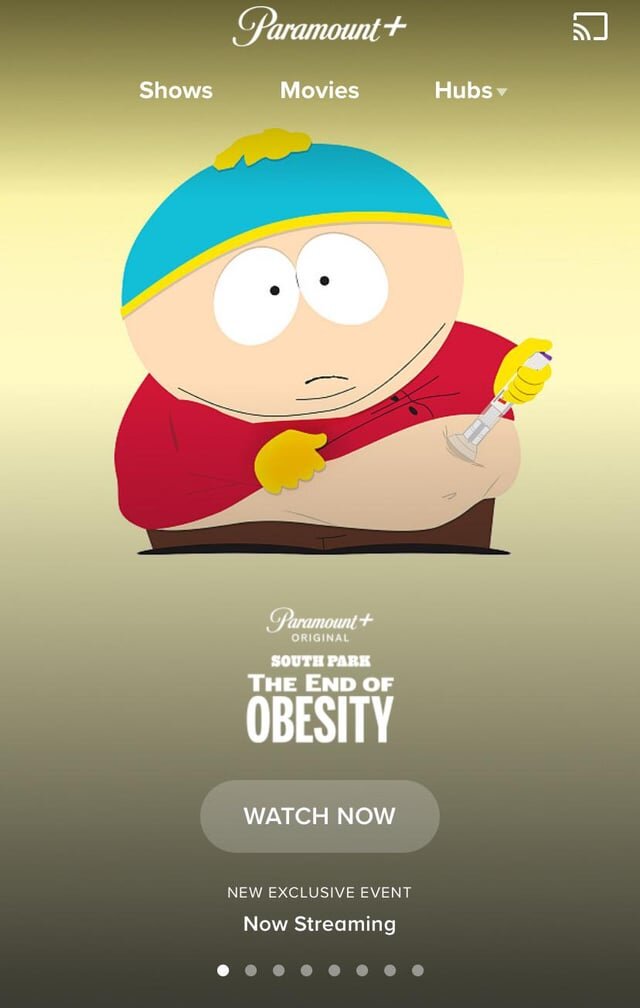
Parker voices characters including Stan Marsh, Eric Cartman, Randy Marsh and Mr. Garrison. Each has more than a different pitch. Stan is often the grounded observer, Cartman turns selfish certainty into conflict, Randy escalates ordinary problems through enthusiasm, and Garrison changes across long-running satirical stories. Parker uses these characters to stage arguments rather than deliver one fixed viewpoint. An episode may allow several positions to become ridiculous while still identifying a human problem underneath them. Cartman is especially important because his confidence drives plots, but the series rarely asks viewers to accept his reasoning. Randy's increasing prominence shows Parker's skill with adult foolishness: the character often behaves like an excited child while insisting on authority. Maintaining these voices across many seasons also requires enough flexibility for emotion, singing and changes in age or circumstance.
Verified Jul 16, 2026
Film, puppets and musical theatre
South Park: Bigger, Longer & Uncut expanded the series into a film musical, using songs to carry satire and character rather than treating music as an extra joke. Team America: World Police used puppets for an action parody whose awkward physical movement became part of the comedy. Parker and Stone later worked with Robert Lopez on The Book of Mormon. The stage musical follows missionaries whose simple expectations meet a reality they do not understand. Its traditional song forms contrast with provocative subject matter, and its success brought major theatre awards. These projects show a consistent interest in how sincere musical language can support satire. Parker often writes melodies that sound emotionally direct even when the surrounding situation is absurd. That skill helps explain why his work can be offensive, affectionate and formally controlled at the same time.
Verified Jul 16, 2026
A useful route through Parker's work
Begin with character-focused South Park episodes from different periods, then watch the feature film to see how the comedy functions as a musical. Team America shows the puppet experiment, while The Book of Mormon represents the stage-writing side. Viewers should separate a character's claim from the work's final position; Parker's comedy often builds through contradiction. CineVault connects him through series, film, writing, directing and voice credits where detailed records have been imported.
Verified Jul 16, 2026