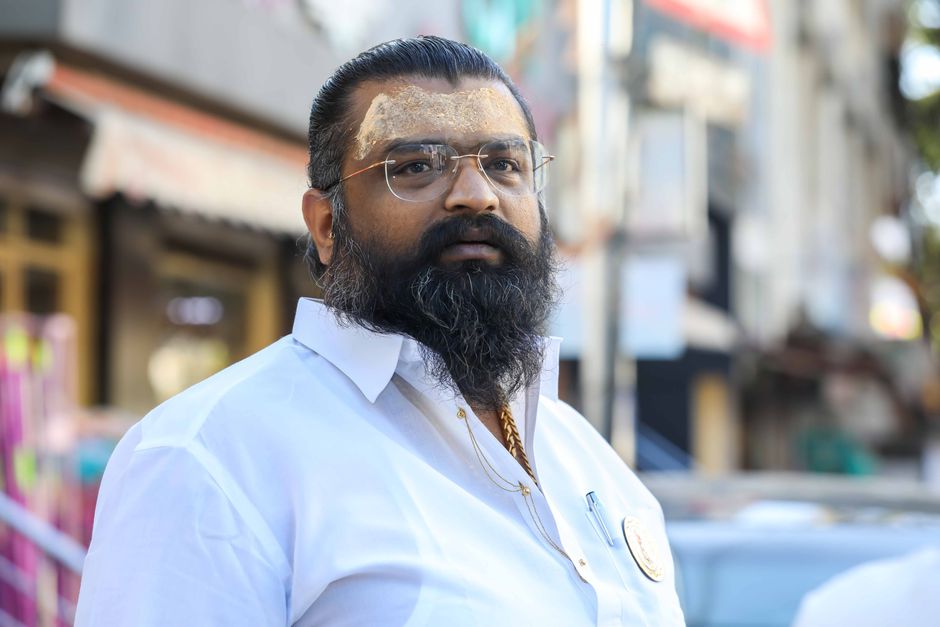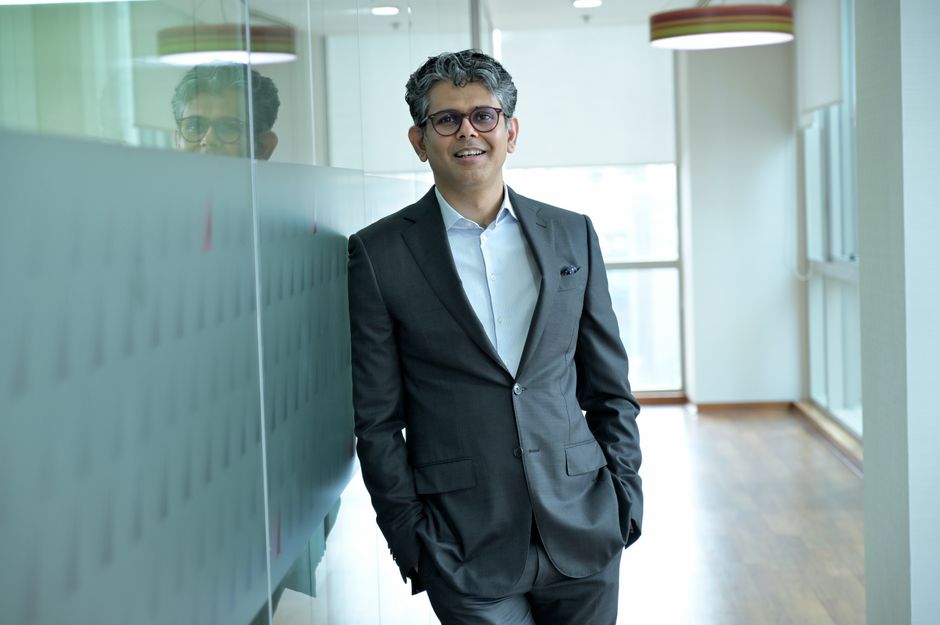

Samik Bhattacharya, the chief spokesperson for the Bharatiya Janata Party's (BJP) West Bengal unit, has recently indicated that the party will campaign and seek votes in the name of Prime Minister Narendra Modi in the state. This statement comes amidst ongoing discussions and speculation regarding the BJP's Chief Ministerial (CM) face for West Bengal, suggesting a strategy to centralize the party's appeal around its national leadership rather than projecting a specific state-level candidate.
Key points
- Samik Bhattacharya, BJP's Bengal chief spokesperson, affirmed the party's intent to campaign using Prime Minister Narendra Modi's name.
- The declaration suggests the BJP in West Bengal may not project a singular Chief Ministerial candidate in upcoming electoral contests.
- This approach aims to leverage the national popularity and appeal of Prime Minister Modi.
- The strategy aligns with a broader pattern sometimes observed in BJP's state election campaigns, particularly in regions where it seeks to expand its base.
- The statement provides clarity on the party's immediate campaign focus in the politically dynamic state of West Bengal.
What we know so far
According to Samik Bhattacharya, the spokesperson for the BJP's unit in West Bengal, the party intends to appeal to voters and garner support by invoking the name and leadership of Prime Minister Narendra Modi. This explicit statement directly addresses the party's campaign direction, particularly in the context of state-level elections where the question of a Chief Ministerial candidate often takes prominence. Bhattacharya's remarks imply that the BJP in West Bengal will rely on the Prime Minister's brand and national stature as its primary electoral draw, rather than putting forward a specific individual as the future Chief Minister of the state. The source clearly identifies Bhattacharya as the Bengal BJP chief spokesperson making this confirmation.
Context and background
The political landscape of West Bengal is one of India's most vibrant and fiercely contested. For decades, the state was a stronghold of the Left Front, followed by the rise of the Trinamool Congress (TMC) under Mamata Banerjee, which has dominated state politics since 2011. In recent years, the Bharatiya Janata Party has emerged as the principal opposition, making significant inroads, particularly evident in the 2019 Lok Sabha elections where they won 18 out of 42 parliamentary seats, and subsequently in the 2021 Assembly elections where they secured 77 seats, establishing themselves as a formidable force against the ruling TMC.
In Indian state elections, the projection of a Chief Ministerial candidate is often a critical element of a party's strategy. A strong, popular CM face can galvanize local support, provide a clear vision for the state, and offer a tangible alternative to the incumbent government. Voters often connect with a local leader who understands their specific issues and aspirations. For instance, the TMC consistently campaigns with Mamata Banerjee as its undisputed leader, a strategy that has proven highly successful due to her strong personal connect with the electorate.
However, the BJP has, on several occasions, adopted a different strategy, especially in states where it is either building its base or where a consensus CM candidate is not readily available or universally accepted within the party ranks. In such scenarios, the party often opts to campaign under the collective leadership and national appeal of Prime Minister Narendra Modi. This approach, sometimes referred to as the "Modi factor" or "Modi wave," leverages the Prime Minister's widespread popularity and strong image as a national leader. The idea is that voters, even in state elections, will be swayed by the promise of good governance and development associated with the central leadership, hoping for a "double-engine government" (the same party ruling at both state and center) to accelerate progress.
By stating that the party will seek votes in PM Modi's name, Samik Bhattacharya signals that the BJP in West Bengal might be pursuing this centralized campaign strategy. This could be interpreted in several ways: it might be an acknowledgement of the lack of a universally accepted or equally popular state-level leader who could rival Mamata Banerjee's stature; it could be a deliberate tactical move to avoid internal factionalism that might arise from projecting one leader over others; or it could be a strategic decision to consolidate all support under the strongest national figure available. This strategy aims to transcend local political dynamics by focusing on broader national themes and the Prime Minister's development agenda.
The significance of this declaration lies in its potential impact on the upcoming electoral cycles in West Bengal, whether they are local body elections or the next major assembly polls. It implies that the BJP's campaign narrative will likely focus on the achievements and vision of the central government, with local issues framed within that national context. For the opposition, particularly the TMC, this could become a talking point, allowing them to criticize the BJP for not having a strong, homegrown leadership alternative for the state.
What happens next
Following Samik Bhattacharya's clear statement, it is highly probable that the BJP's campaign machinery in West Bengal will intensify its efforts to promote Prime Minister Narendra Modi as the central figure for all its electoral appeals. This will likely involve extensive use of the Prime Minister's image, speeches, and central government schemes in local campaigning. The party units across the state will be briefed to align their messaging with this strategy, emphasizing the benefits of a "double-engine" government where the state and central governments are led by the same party.
Conversely, the ruling Trinamool Congress and other opposition parties in West Bengal are expected to leverage this statement to their advantage. They will likely criticize the BJP for its apparent inability to project a strong, local Chief Ministerial candidate, portraying it as a party disconnected from the state's unique cultural and political identity. The debate will likely shift towards local leadership versus national appeal, with the opposition emphasizing the need for a Chief Minister who truly understands and represents Bengal.
The immediate next steps will involve the BJP's state unit continuing its organizational work, engaging with voters, and preparing for any upcoming elections with this central theme. While an explicit CM face may not be announced, various state leaders will continue to play prominent roles in local campaigns, but under the overarching banner of PM Modi's leadership. The political discourse in West Bengal will undoubtedly be shaped by this strategic direction as parties gear up for future electoral battles, making the presence or absence of a declared CM candidate a key point of discussion.
FAQ
- Who made the statement about campaigning in PM Modi's name?
Samik Bhattacharya, the chief spokesperson for the BJP's West Bengal unit, made the statement. - What is the core message of the statement?
The core message is that the BJP in West Bengal will seek votes using Prime Minister Narendra Modi's name, indicating a strategy to campaign without a declared Chief Ministerial candidate. - Why is this strategy significant for West Bengal?
It's significant because typically, state elections heavily feature a Chief Ministerial face. This approach suggests the BJP is leveraging PM Modi's national popularity to overcome the challenge of projecting a strong local leader against an entrenched incumbent. - Does this mean the BJP will never have a CM candidate in West Bengal?
It means that for current or upcoming campaigns, the party's primary face for seeking votes will be PM Modi. It doesn't definitively rule out a CM candidate being named closer to an election or if circumstances change, but it signals the current strategic direction. - How does this strategy compare to other parties in state elections?
While many parties, like the Trinamool Congress, prominently feature a state leader as their CM face, the BJP has historically used the "Modi factor" in several states where it is building its base or where a consensus local leader is not chosen, centralizing the campaign around national leadership.