
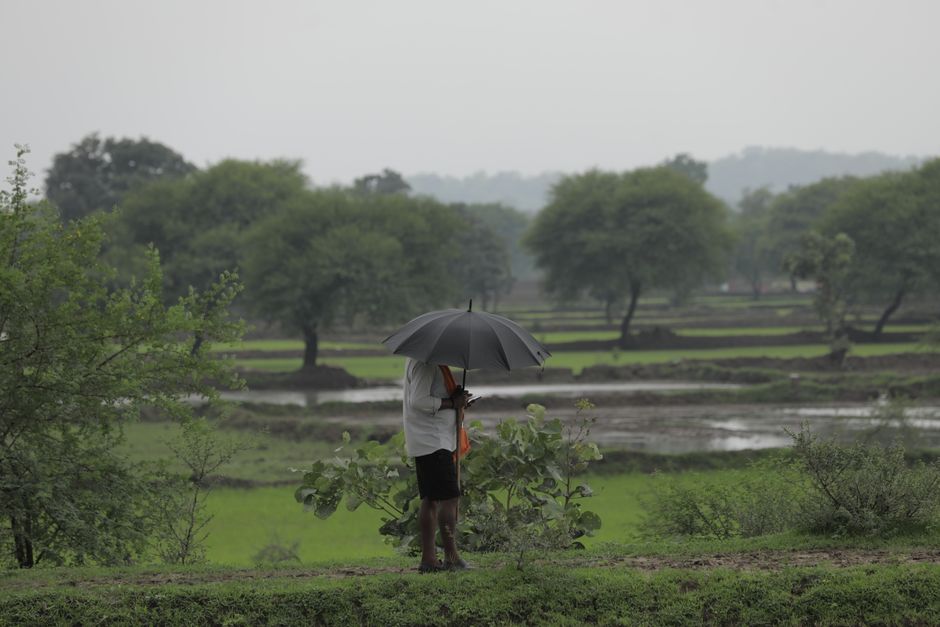
The India Meteorological Department (IMD) has issued a forecast predicting a notable change in weather patterns for northwest India over the coming week. The region is expected to experience cooler temperatures and widespread rainfall, primarily attributed to the influence of two approaching Western Disturbances. This weather shift is anticipated to bring relief from any prevailing dry conditions and mark a significant meteorological event for the affected states.
Key points
- The India Meteorological Department (IMD) forecasts cooler temperatures across northwest India.
- Rainfall is highly likely in the region, driven by two Western Disturbances.
- The anticipated weather changes are expected to unfold throughout the current week.
- Western Disturbances are crucial for winter precipitation and temperature regulation in northern India.
- The forecast impacts daily life, agriculture, and water resource management in the affected areas.
What we know so far
According to the India Meteorological Department, two distinct Western Disturbances are poised to influence the weather across northwest India. This meteorological activity is projected to result in a noticeable drop in ambient temperatures, leading to cooler conditions across the plains and foothills of the region. Furthermore, the presence of these weather systems significantly increases the likelihood of rainfall throughout the week. The IMD's advisory highlights these specific outcomes for the specified geographical area and timeframe, indicating a shift from current weather patterns.
Context and background
Understanding the significance of this forecast requires a look into the phenomenon known as Western Disturbances and their vital role in India's climate, particularly for the northern and northwestern parts of the country. A Western Disturbance is an extratropical storm originating in the Mediterranean region. These systems typically travel eastward across Iran, Afghanistan, and Pakistan before reaching the Indian subcontinent. Unlike the monsoon, which brings rain from the south in summer, Western Disturbances are the primary source of winter rainfall and snowfall over northern India.
When these disturbances interact with the Himalayan mountain range, they shed their moisture, resulting in precipitation. In the higher altitudes of Jammu and Kashmir, Himachal Pradesh, and Uttarakhand, this often manifests as snowfall, crucial for replenishing glaciers and maintaining perennial rivers. In the plains of Punjab, Haryana, Rajasthan, Uttar Pradesh, and Delhi, Western Disturbances bring much-needed winter rains. These rains are incredibly significant for agriculture, especially for the Rabi crops (winter crops) such as wheat, barley, mustard, and pulses, which are sown in autumn and harvested in spring. Adequate winter rainfall ensures good yields, directly impacting the livelihoods of millions of farmers and contributing substantially to national food security.
Beyond agriculture, these weather systems also play a critical role in regulating winter temperatures. They are responsible for the cold waves and foggy conditions often experienced in the Indo-Gangetic plains during the colder months. The two disturbances predicted by the IMD suggest a sustained period of weather activity, potentially leading to a more prolonged spell of cooler temperatures and intermittent rainfall. The India Meteorological Department, established in 1875, is the principal agency responsible for meteorological observations, weather forecasting, and seismology in India. Its forecasts are crucial for various sectors, including aviation, agriculture, disaster management, and public health, enabling timely preparedness and decision-making.
The timing of these disturbances, "this week," indicates an immediate impact, prompting residents and agricultural communities to prepare for the changing conditions. The cumulative effect of two such systems can be more pronounced than a single event, potentially bringing more widespread and significant precipitation.
What happens next
As the two Western Disturbances approach and affect northwest India, residents can expect a noticeable shift in daily weather conditions. The IMD's forecast suggests that cooler temperatures will prevail, making it advisable for people to prepare for colder days and nights. The likelihood of rainfall means that outdoor activities might be disrupted, and commuters should anticipate potentially wet roads and reduced visibility, especially during morning hours due to associated fog or mist. Farmers in the region will be closely monitoring the intensity and spread of the rainfall. While moderate winter rains are generally beneficial for Rabi crops, excessive or untimely downpours can sometimes lead to waterlogging or damage. Therefore, agricultural advisories from local authorities, often based on IMD data, will be crucial.
The India Meteorological Department will continue to track these systems and update its forecasts. Regular updates will be essential for various stakeholders, including disaster management units, to assess any potential risks and issue further guidance. The impact of these disturbances is expected to be most prominent throughout the current week, after which weather patterns may gradually stabilize or transition to new conditions, depending on subsequent meteorological developments. The sustained presence of moisture and cooler air could also lead to improved air quality in urban centers, as rain often helps settle dust and pollutants.
FAQ
- What is a Western Disturbance?
A Western Disturbance is an extratropical storm system originating in the Mediterranean region that brings sudden winter rain and snow to the northwestern parts of the Indian subcontinent. - Which regions are primarily affected by this forecast?
The forecast specifically targets northwest India, which typically includes states like Punjab, Haryana, Rajasthan, Uttar Pradesh, Delhi, Himachal Pradesh, and Uttarakhand. - What kind of impact can be expected from these two disturbances?
The region is expected to experience cooler temperatures and a high likelihood of rainfall, which can benefit winter crops but also necessitate precautions for daily life and travel. - How long is this weather pattern expected to last?
The IMD forecast indicates that the impact of these two Western Disturbances will be felt throughout the current week. - Who issues these weather forecasts and advisories?
The India Meteorological Department (IMD) is the official agency responsible for monitoring weather patterns and issuing forecasts and advisories across India.