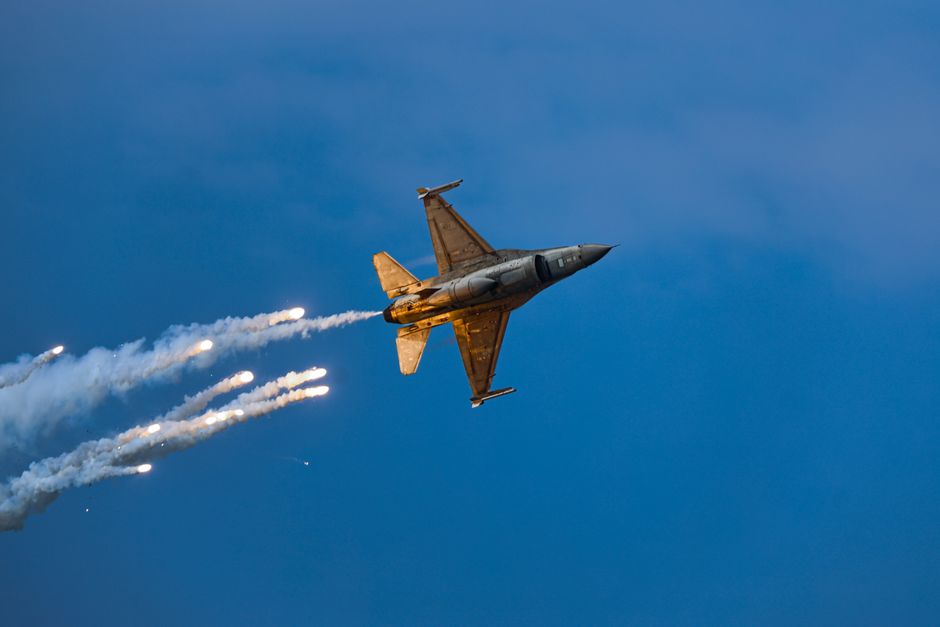

US President Donald Trump has issued a fresh ultimatum to Iran, demanding the reopening of the strategically vital Strait of Hormuz by a self-imposed Tuesday deadline, threatening significant military action if Tehran fails to comply. This latest demand comes amidst weeks of intensifying hostilities in the Middle East, which have already led to disruptions in global oil supplies, volatile markets, and a widening regional conflict. Iran has met the ultimatum with a mix of steadfast defiance and public mockery, rejecting the demand and hinting at conditions for any reopening, thereby pushing the crisis into a highly volatile phase characterized by both military escalation and diplomatic maneuvering.
Key points
- New Ultimatum and Deadline: President Trump has given Iran a Tuesday deadline to reopen the Strait of Hormuz, threatening military strikes on Iranian infrastructure if the demand is not met.
- Iran's Defiance and Mockery: Tehran has dismissed the ultimatum, with officials indicating they retain control over the waterway and even engaging in online mockery, suggesting conditions like compensation for war damages for its reopening.
- Escalating Regional Conflict: The conflict has expanded beyond Iran's borders, with Iranian actions impacting infrastructure in Gulf countries and threats to disrupt other key maritime chokepoints like the Bab el-Mandeb Strait.
- Airstrikes and Infrastructure Damage: Recent airstrikes have targeted Tehran and other civilian areas within Iran, while industrial sites and critical facilities in neighboring states have also sustained damage, raising concerns about international humanitarian law.
- Downed Aircraft and Rescue Operations: The crisis deepened with Iran claiming to have shot down US aircraft, including an F-15E fighter jet, leading to a high-risk US rescue mission for injured personnel within Iranian territory, with conflicting accounts emerging from both sides.
- Narrowing Diplomatic Window: Despite ongoing escalation, diplomatic efforts involving regional and global powers are reportedly continuing, though the hardening positions of both sides suggest a shrinking opportunity for de-escalation.
What we know so far
The recent escalation began with US President Donald Trump publicly demanding that Iran ensure the free passage of vessels through the Strait of Hormuz by a specified Tuesday deadline. He explicitly warned that non-compliance would trigger military strikes targeting Iranian infrastructure, including power plants and bridges, a threat delivered with a notably sharper tone than previous warnings. This pronouncement was made via a post on Truth Social, where the President used strong and aggressive language to convey the severity of the impending consequences.
In response, Iranian leaders have strongly pushed back. Mohammad Bagher Ghalibaf, the Parliament Speaker, accused President Trump of leading the United States into a "living hell" and suggested that American actions were being dictated by Israeli Prime Minister Benjamin Netanyahu. Furthermore, Iran’s embassy in Zimbabwe engaged in what appeared to be an online campaign of defiance and "information warfare," posting cryptic messages like "We’ve lost the keys" and "Next request, please," signaling a clear rejection of the US demands.
The conflict has seen significant physical escalation. Iran has reportedly extended its military actions beyond its own territory, launching strikes against infrastructure in various Gulf countries and issuing threats to disrupt the Bab el-Mandeb Strait, another crucial maritime passage. Domestically, Tehran has experienced fresh airstrikes, with explosions reported overnight, and civilian areas, including Qom, have been affected. Both sides have reportedly targeted or threatened critical infrastructure such as oil facilities and desalination plants, leading to concerns about potential breaches of international humanitarian law.
A significant development was the downing of US aircraft, including an F-15E fighter jet, which Iran claims responsibility for. This incident prompted a high-risk rescue mission by the US to retrieve injured personnel from within Iranian territory, involving multiple aircraft. Conflicting narratives have emerged, with Iran claiming additional American losses and showcasing alleged wreckage, while Washington attributes some aircraft destruction to technical failures and suggests Iran's claims are exaggerated. Reports also indicate damage to helicopters during the rescue operation, highlighting the intense and perilous nature of the aerial engagements.
Despite the heightened tensions and military actions, diplomatic channels remain active. Reports suggest ongoing talks facilitated by Oman and outreach efforts by various regional and global powers, indicating a concerted push to avert an all-out war. However, the increasingly entrenched positions of both the US and Iran, coupled with approaching deadlines, suggest that the window for a peaceful resolution or de-escalation is rapidly closing.
Context and background
The Strait of Hormuz, a narrow waterway situated between the Persian Gulf and the Gulf of Oman, is one of the world's most critical maritime chokepoints. Approximately one-fifth of the world's total petroleum consumption, including a significant portion of crude oil and liquefied natural gas (LNG), passes through this strait daily. Its strategic importance cannot be overstated; any disruption can send shockwaves through global energy markets, leading to significant price increases and economic instability worldwide. This makes the current threats to its free passage a matter of international concern, extending far beyond the immediate belligerents.
The current standoff is not an isolated incident but the latest chapter in a protracted period of heightened tensions between the United States and Iran. Relations have been strained for decades, punctuated by various diplomatic crises, economic sanctions, and proxy conflicts across the Middle East. The recent escalation has been ongoing for weeks, marked by a series of incidents ranging from attacks on shipping to cyber warfare and military posturing. This extended duration indicates a deeply entrenched conflict with complex origins and no easy solutions.
The broader Middle East region is a complex tapestry of geopolitical rivalries and alliances. The source text mentions allegations that US actions are influenced by Benjamin Netanyahu, hinting at the role of regional actors like Israel in shaping the dynamics of the conflict. Such accusations underscore the interconnectedness of various regional disputes and the potential for a wider conflagration involving multiple states, each with their own interests and security concerns. The involvement of other Gulf nations, whose industrial sites have been targeted, further illustrates the regional spillover effect of the US-Iran confrontation.
The targeting of "dual-use infrastructure" – facilities that serve both civilian and military purposes, such as power plants, bridges, and desalination plants – raises serious questions under international humanitarian law. This body of law, also known as the law of armed conflict, aims to limit the effects of armed conflict for humanitarian reasons. It prohibits attacks on civilian objects and requires parties to distinguish between combatants and civilians, and between military objectives and civilian objects. Attacks on infrastructure that directly support civilian life, even if they might also have military applications, can be controversial and may, as legal experts warn, bring the parties "dangerously close" to committing war crimes, which are grave breaches of international law.
The economic ramifications of this conflict are substantial. Beyond the immediate impact on global oil prices, sustained instability in the region could deter investment, disrupt supply chains, and lead to a broader economic downturn. For countries heavily reliant on oil imports or exports, the crisis poses a direct threat to their national economies. This makes the resolution of the conflict not just a security imperative, but also a critical economic one for the global community.
What happens next
The immediate focus will be on the Tuesday deadline set by President Trump. As this deadline approaches, the world will be watching closely to see if Iran makes any concessions regarding the Strait of Hormuz, or if the United States will proceed with its threatened military actions. The sharp rhetoric from both sides suggests a high probability of further escalation if the deadline passes without resolution, potentially leading to targeted strikes on Iranian infrastructure as warned.
Further military actions could include continued airstrikes, naval confrontations, and cyberattacks. The reported damage to industrial sites in Gulf countries and the threats to the Bab el-Mandeb Strait indicate a potential for the conflict to widen geographically, drawing in more regional players and further disrupting international trade routes. The ongoing aerial campaign, highlighted by the downed US aircraft and complex rescue missions, points to a continued risk of direct military engagements.
Despite the bellicose posturing, diplomatic efforts are expected to intensify, even if the window for de-escalation appears to be narrowing. The involvement of intermediaries like Oman and outreach by other global powers suggests a strong international desire to prevent a full-scale war. However, the success of these diplomatic channels will hinge on the willingness of both the US and Iran to compromise, a prospect that seems challenging given their hardened positions and public statements. Observers will be looking for any signs of back-channel negotiations or shifts in rhetoric that could signal a path towards reducing tensions.
The economic impact will also remain a key concern. Any further disruption to maritime trade or energy supplies will undoubtedly lead to increased volatility in global markets. Businesses and governments worldwide will be preparing for potential oil price spikes and supply chain issues. The humanitarian consequences of continued conflict, particularly if civilian infrastructure remains a target, will also be a critical area of concern, potentially leading to increased calls for international intervention and aid.
FAQ
- What is the Strait of Hormuz and why is it important?
The Strait of Hormuz is a narrow sea passage connecting the Persian Gulf to the Gulf of Oman and the open sea. It is critically important because it is the world's most vital oil transit chokepoint, with a significant portion of global oil and liquefied natural gas passing through it daily. Its closure or disruption would severely impact global energy markets.
- What is President Trump's latest demand?
President Trump has demanded that Iran reopen the Strait of Hormuz for international shipping by a self-imposed Tuesday deadline. He has threatened "sweeping military strikes" on Iranian infrastructure, including power plants and bridges, if Iran fails to comply.
- How has Iran responded to the ultimatum?
Iran has responded with strong defiance and mockery, dismissing the ultimatum. Iranian officials insist they control the waterway and have suggested conditions, such as compensation for war damages, for any reopening. They have also engaged in online trolling against the US demands.
- Has the conflict spread beyond Iran's borders?
Yes, the conflict has escalated regionally. Iran has reportedly struck infrastructure in Gulf countries and threatened to disrupt the Bab el-Mandeb Strait, another key maritime chokepoint. Additionally, industrial sites in countries like the UAE have experienced fires due to intercepted projectiles.
- Are diplomatic efforts still ongoing?
Despite the military escalation, diplomatic efforts are reportedly continuing. Talks involving Oman and outreach by various regional and global powers are underway, aiming to prevent an all-out war. However, the window for de-escalation appears to be narrowing due to the hardening positions of both sides.