In-depth guide
Two seasons and a three-act structure
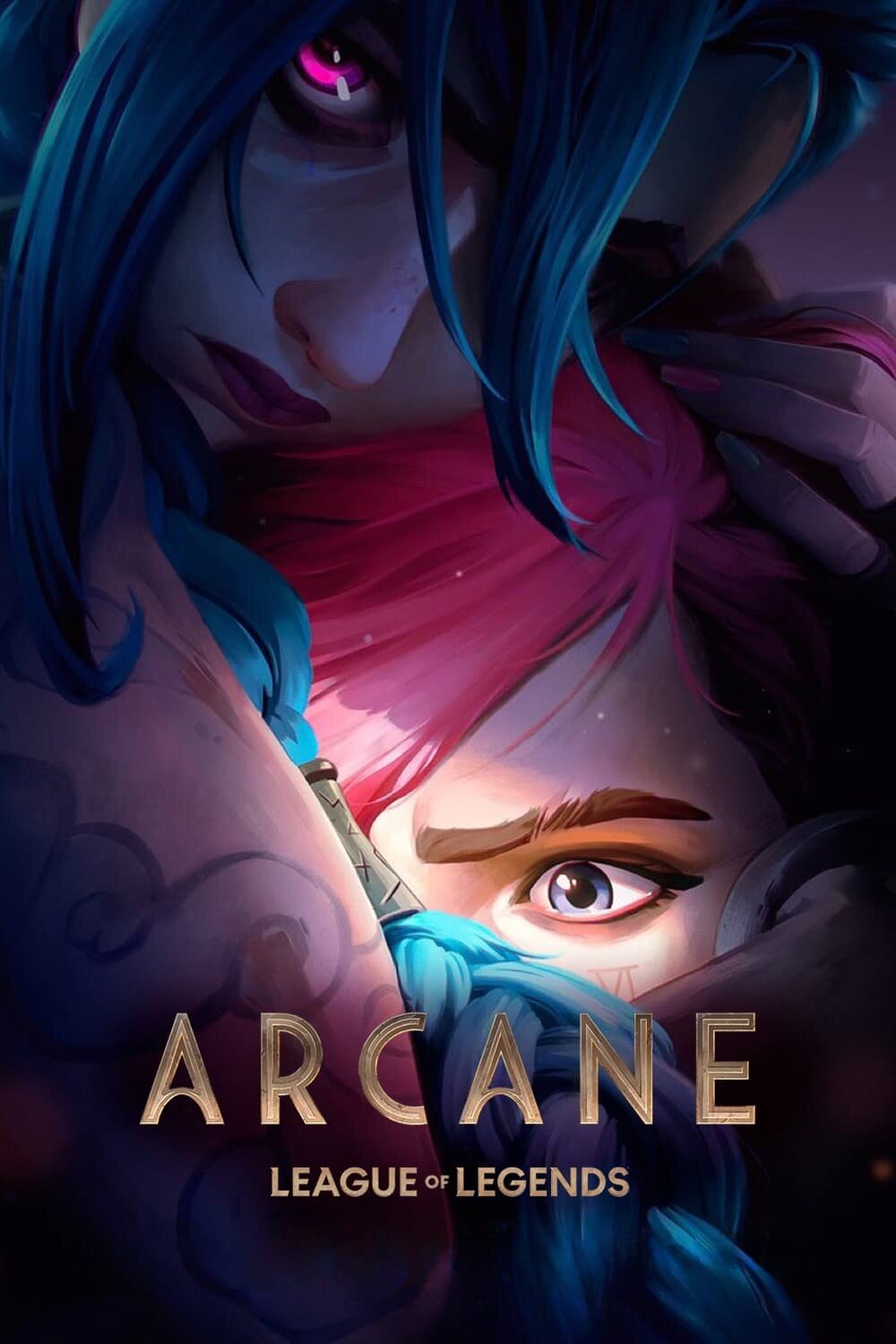
Season one begins with Vi, Powder, Mylo and Claggor stealing from a Piltover workshop, accidentally exposing dangerous magical research. Their guardian Vander tries to protect Zaun through an uneasy peace, while Silco pursues a more forceful path toward independence. A childhood disaster separates characters and changes Powder's identity. Years later, enforcer Caitlyn investigates linked crimes and works with Vi, while inventors Jayce and Viktor develop Hextech and enter Piltover politics. Ekko builds another response to conditions in the undercity. Season two continues directly from the first finale, expanding war, leadership and the consequences of magical technology before completing the central story. Both seasons are organised into three-episode acts, and all episodes should be watched in order. Avoid game-character searches if you do not want later visual forms or alliances revealed. The show uses existing League figures but gives them a television continuity that can differ from game lore.
Verified Jul 16, 2026
Voices built around damaged relationships
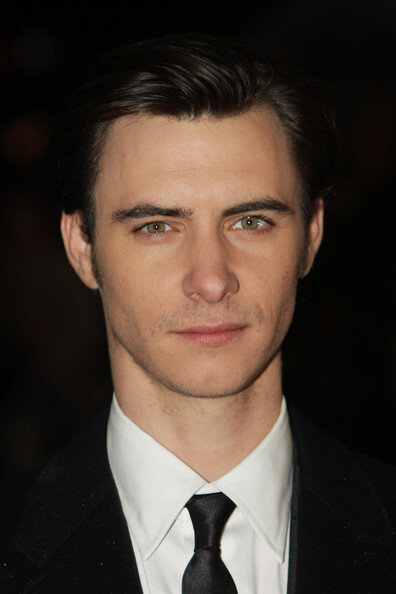
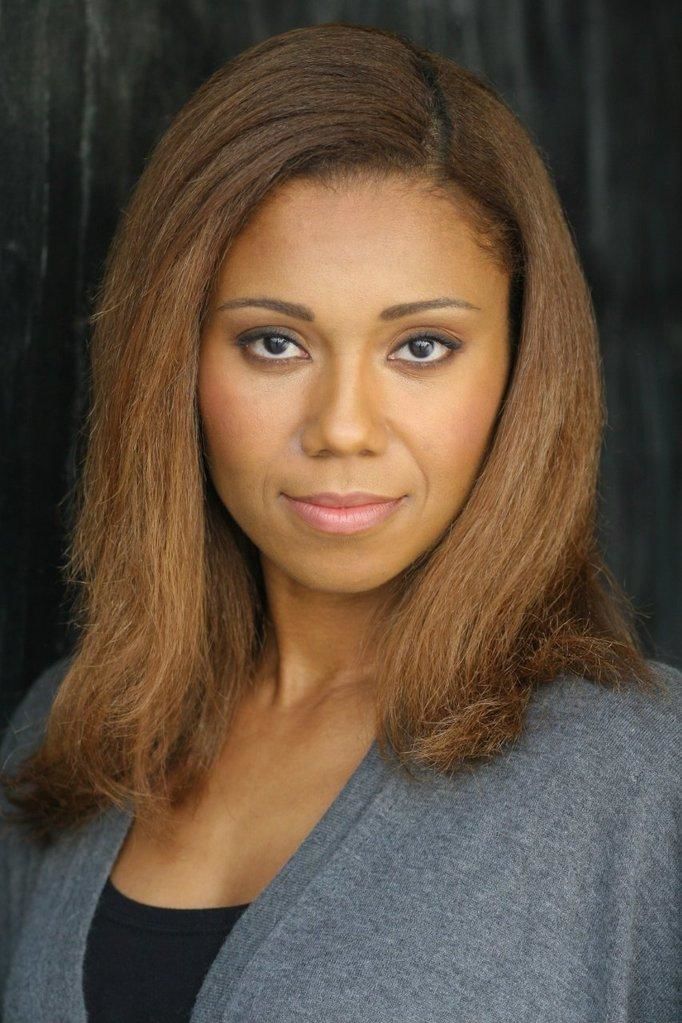
Hailee Steinfeld gives Vi physical confidence and emotional impatience, making protection both her strength and a source of pressure. Ella Purnell gives Jinx rapid humour, fear and fragmented attention without turning trauma into one simple villain explanation. Mia Sinclair Jenness establishes Powder's early sensitivity, allowing the later voice to retain continuity. Katie Leung makes Caitlyn curious, principled and increasingly aware that official Piltover knowledge excludes Zaun's experience. Kevin Alejandro gives Jayce idealism mixed with the seduction of political ability. Harry Lloyd makes Viktor physically restrained and intellectually urgent, while Toks Olagundoye gives Mel strategic calm and private history. Jason Spisak gives Silco genuine attachment inside manipulative leadership, complicating but not excusing his violence. Reed Shannon's Ekko combines invention, grief and community responsibility. The performances keep political conflict tied to specific relationships; a council decision matters because of who will breathe its air, carry its weapon or lose someone afterward.
Verified Jul 16, 2026
Fortiche animation and a world painted in motion
Fortiche combines three-dimensional character animation with painterly surfaces, graphic effects and hand-drawn accents. Faces retain small asymmetries and reactions, allowing quiet scenes to carry as much detail as combat. Piltover uses height, polished stone and warm invention imagery, while Zaun uses layered industrial spaces, chemical colour and crowded movement. The contrast is beautiful but never makes pollution harmless. Action changes visual language according to character: boxing rhythm, gadgets, speed and unstable perception create distinct sequences. Music includes an original score and prominent songs from multiple artists, sometimes dividing viewers when modern lyrics enter fantasy scenes. Editing across each three-episode act creates strong turning points without making every chapter feel like setup. The opening credits use sculpted versions of characters, suggesting public myth and frozen conflict. Arcane's craft demonstrates that game adaptation can prioritise performance and social world rather than explaining rules or recreating matches.
Verified Jul 16, 2026
Trauma explains behaviour without removing responsibility
Jinx's hallucinations and fear are represented through sound, drawn marks, repeated voices and broken visual continuity. The series asks viewers to understand her experience but does not claim that trauma makes harm inevitable or harmless. Vi also carries trauma, expressed through action, avoidance and a belief that one reunion can restore a past relationship. Their tragedy grows from love interacting with years neither sister shared. Silco offers Jinx acceptance while reinforcing the identity and conflict that serve his goals. Piltover leaders can condemn undercity violence while benefiting from structural harm they rarely see. Zaun's leaders may pursue freedom through methods that sacrifice people inside the community. The second season accelerates some political and magical developments, and viewers may disagree about whether every arc receives enough space. Its completed ending should be judged through both emotional resolution and the institutions left behind, not only whether favourite game characters reach familiar positions.
Verified Jul 16, 2026
No game knowledge required, but mature animation
Arcane has two seasons and tells a completed central story. It is animation for teenagers and adults, not young children. Content includes shootings, stabbing, child death, family loss, drug use, body transformation, self-harm imagery, psychological distress, war, sexual material and intense fighting. Jinx's trauma and harm involving children can be especially difficult. Local ratings and episode warnings should guide families. League of Legends knowledge is optional; playing the game first may reveal character identities but is not needed to understand the plot. The television continuity can reinterpret game lore, so differences are not necessarily errors. Episodes run roughly 40 minutes and are best watched in order, perhaps one three-episode act at a time. The story concludes after season two, while other animated projects may later explore different parts of the wider world rather than functioning as season three.
Verified Jul 16, 2026
 Netflix