In-depth guide
Three Books following one connected journey
Katara and Sokka discover Aang frozen near their Southern Water Tribe home. Aang learns that one hundred years passed while he was absent and that the Fire Nation destroyed the Air Nomads and continued a global war. Although he is already an airbender, the Avatar cycle requires him to learn water, earth and fire. Book One: Water follows the group toward the Northern Water Tribe while exiled Prince Zuko pursues Aang. Book Two: Earth expands the journey through the Earth Kingdom, introduces earthbender Toph and deepens both the war and Zuko's internal conflict. Book Three: Fire brings the group into Fire Nation territory and moves toward the planned confrontation with Fire Lord Ozai. Most episodes contain a local problem, but even comic adventures may establish a skill or relationship used later. Watch in numbered order and do not skip episodes based only on a 'filler' list; the compact 61-episode run makes nearly every chapter useful.
Verified Jul 16, 2026
Young voices carrying long character arcs
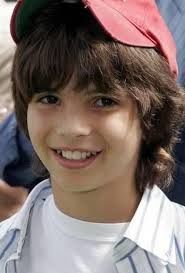
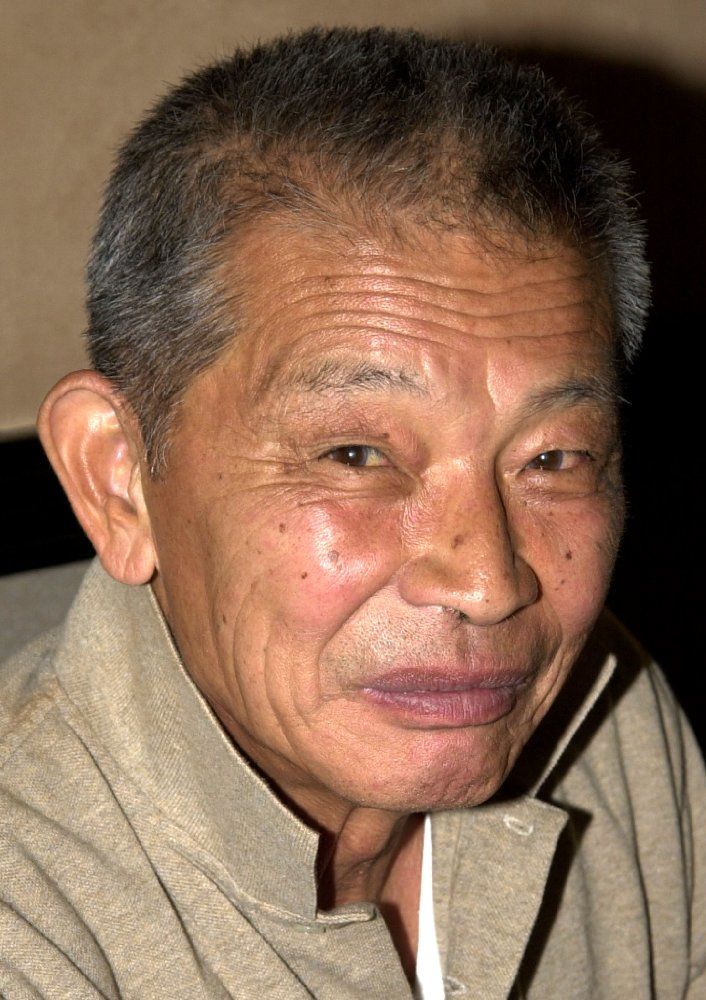
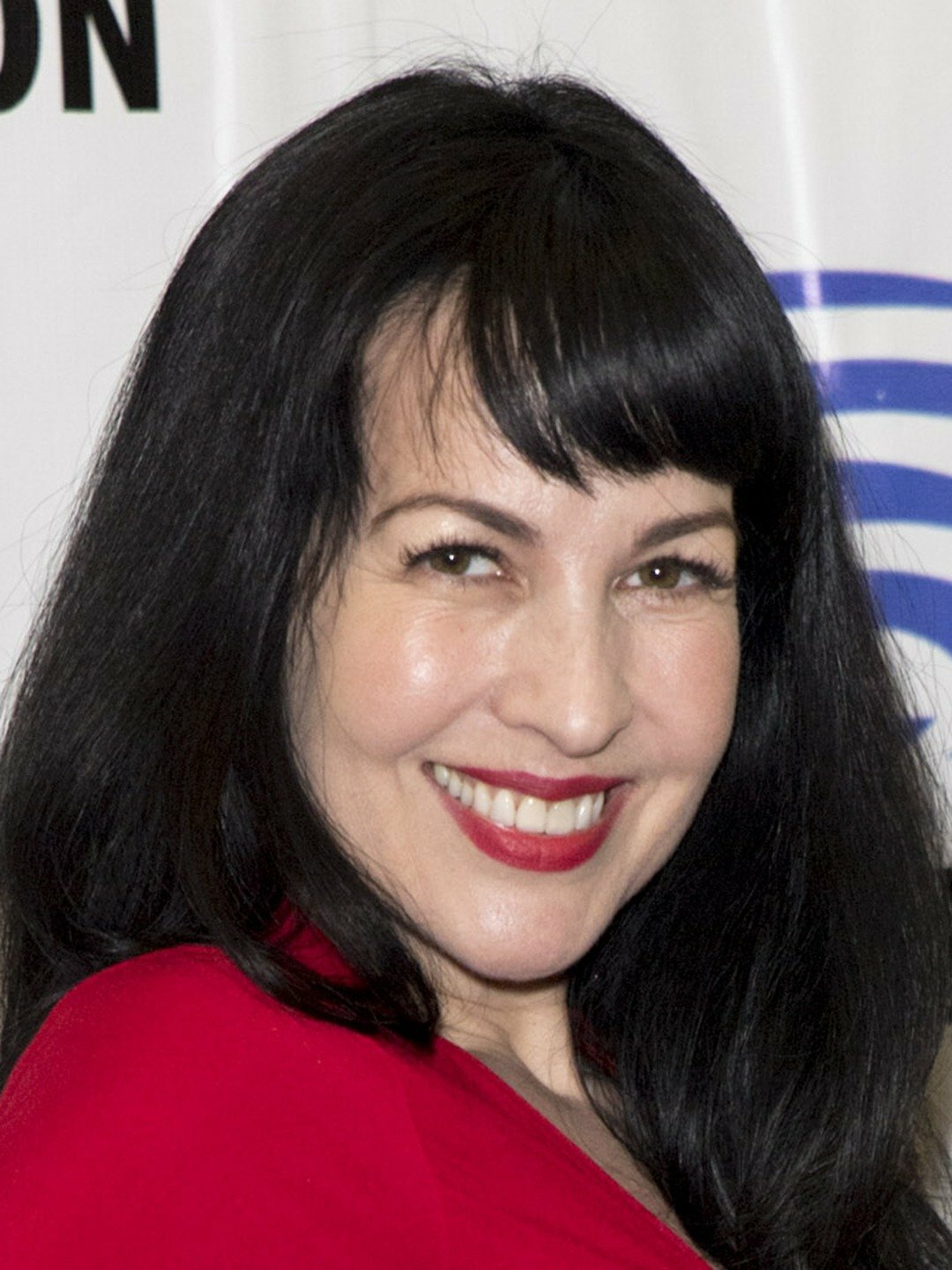
Zach Tyler Eisen makes Aang playful and recognisably young even when the Avatar role creates adult expectations. Mae Whitman gives Katara warmth, authority and anger that develops beyond the group's supportive centre. Jack De Sena turns Sokka's humour into a way of thinking under pressure, while allowing early prejudice to be challenged. Dante Basco gives Zuko intensity, awkwardness and gradual changes that remain connected to years of shame. Mako makes Iroh funny, patient and touched by grief; Greg Baldwin respectfully continues the voice after Mako's death. Jessie Flower gives Toph blunt confidence and a distinct relationship to disability, using earthbending through physical contact with the ground. Grey DeLisle makes Azula controlled enough that small signs of instability become meaningful. The ensemble lets characters fail repeatedly without resetting them at the end of an episode. Growth arrives through apology, practice, changed loyalty and decisions made when old approval is still tempting.
Verified Jul 16, 2026
Bending styles, music and a readable fantasy world
The animation draws from anime influence while developing a distinct television design. Bending movements were informed by different Chinese martial-arts traditions, helping water, earth, fire and air feel physically separate rather than like recoloured magic. Backgrounds and architecture distinguish nations through climate, material, technology and clothing, though the world blends inspirations and should not be treated as a direct representation of one Asian culture. Jeremy Zuckerman and Benjamin Wynn's music and sound design give bending, the Avatar State and spiritual spaces recognisable identities. Comedy can use broad facial movement, while major fights preserve geography and character intention. The opening narration explains the central war efficiently, and maps make travel understandable without listing every location. Budget and animation quality vary slightly across early episodes, but visual confidence grows. The final run uses skills and musical themes established across all three Books, giving the conclusion a sense of accumulated practice rather than sudden power.
Verified Jul 16, 2026
Zuko, Aang and two different questions about honour
Zuko believes capturing the Avatar will restore his place beside a father who banished and scarred him. That goal gives him direction but requires accepting the judgement that harmed him. Iroh creates another model of family based on patience and truthful disagreement. Zuko's arc is powerful because insight does not produce one smooth change; fear and opportunity can push him back toward the old promise. Aang faces a different conflict. Friends and past Avatars focus on defeating Ozai, while his Air Nomad values make killing a profound moral problem. The series takes his refusal seriously, though viewers debate whether the final mechanism arrives with enough preparation. Both arcs ask whether inherited duty can be reinterpreted without being abandoned. Honour becomes alignment between action and values, not status awarded by a ruler. The ending also distributes responsibility across the group, showing that one Avatar cannot repair every effect of a century-long war alone.
Verified Jul 16, 2026
Family suitability and what comes next
The series is designed for family audiences, but it contains war, genocide as background, child abuse, parental death, frightening spirits, imprisonment, brainwashing, burns and sustained combat. Death is usually not graphic, though emotional subjects become heavier in later seasons. Many school-age children can watch with support; sensitive younger viewers may need reassurance during episodes involving Koh, bloodbending or the Dai Li. Parents can discuss why Zuko seeks approval, how Toph's blindness is represented and why Aang resists killing. After the complete original series, The Legend of Korra continues the Avatar world's later history with a new lead and somewhat older audience. Comics fill gaps but are optional. Do not confuse this animated series with the live-action film or Netflix adaptation, which are separate versions. The original's three Books form a complete story with a clear ending.
Verified Jul 16, 2026