In-depth guide
Why episode order and series titles can be confusing
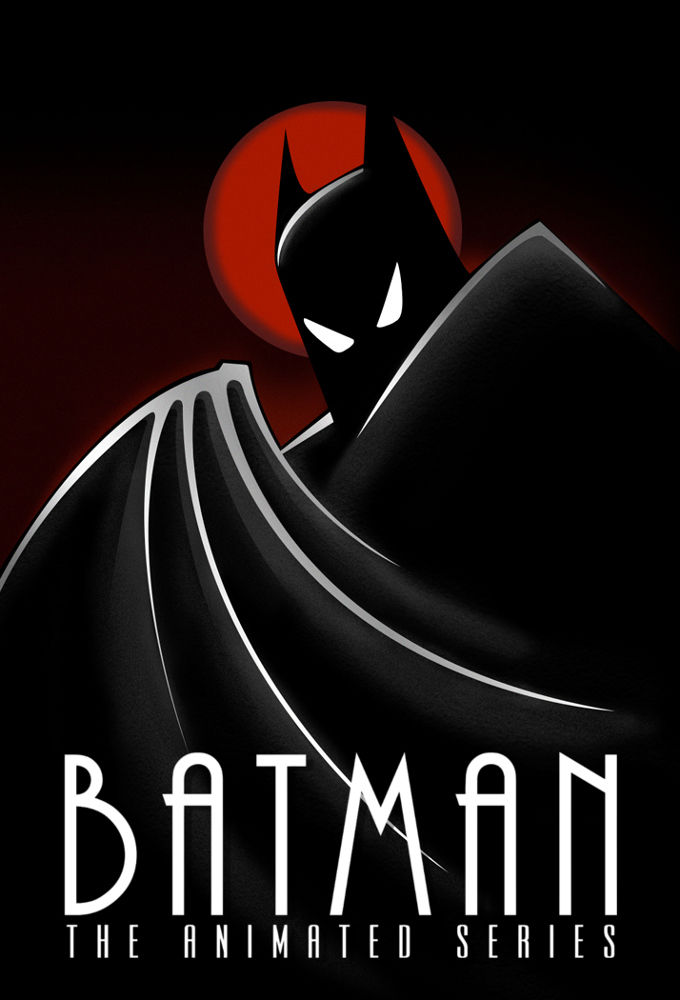
The early Fox broadcast order did not always match production order, and two-part stories or character introductions may appear differently on platforms. The New Batman Adventures uses a redesigned visual style and is sometimes listed as later seasons of the same show or as a separate continuation. A simple first path is to follow the order on one official complete home release, ensuring two-part episodes remain together. Begin with early character-defining stories such as On Leather Wings, Heart of Ice, Nothing to Fear and the two-part Robin's Reckoning rather than searching for one strict serial pilot. Mask of the Phantasm can be watched after becoming familiar with Batman and Gotham; it expands Bruce's history without requiring the full run. SubZero fits later, after Mr Freeze stories. Superman: The Animated Series and Justice League share the broader animated continuity but are optional follow-ups, not prerequisites.
Verified Jul 16, 2026
Conroy, Hamill and voices that defined the characters
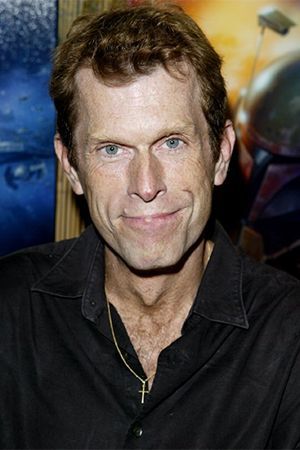
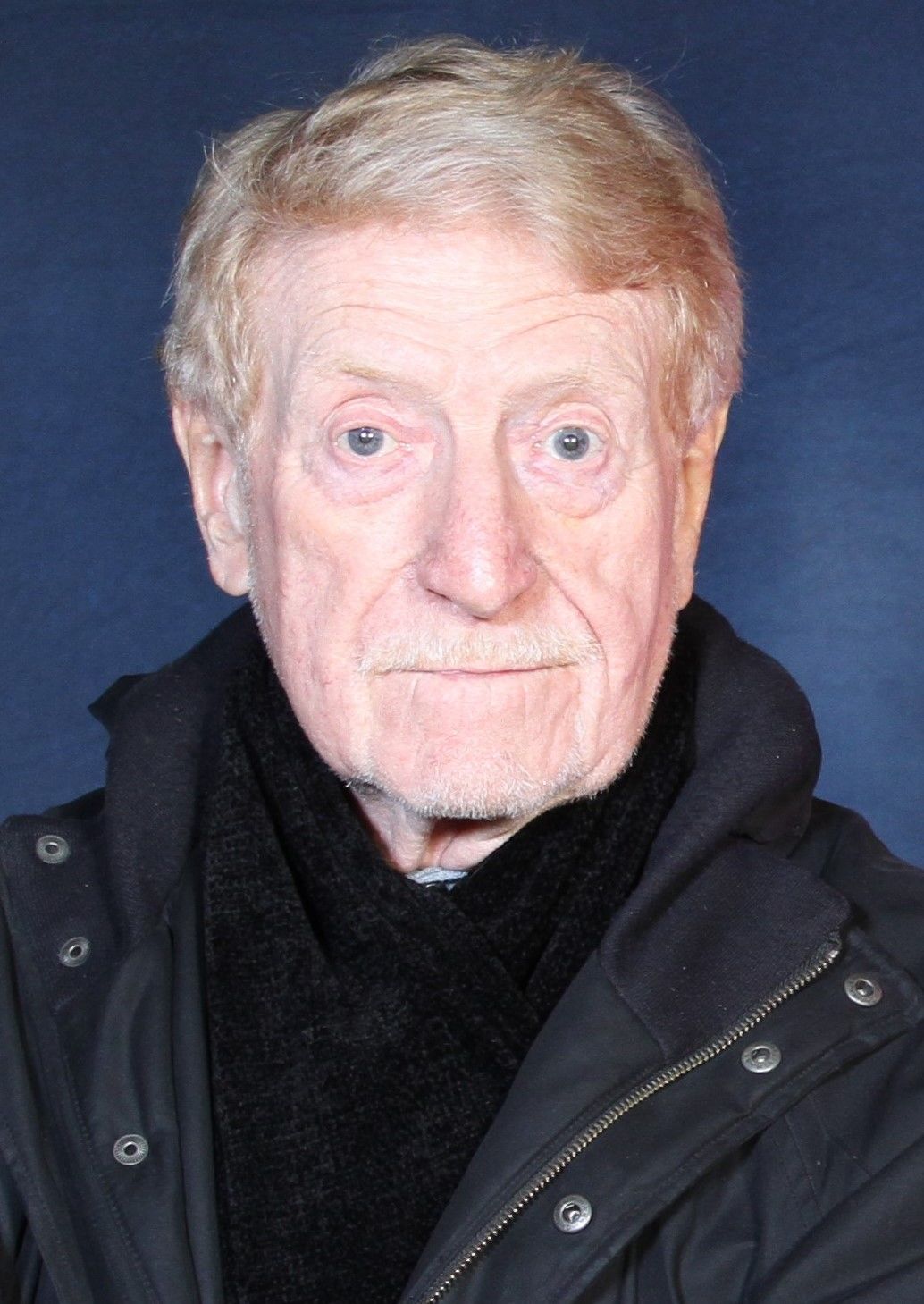
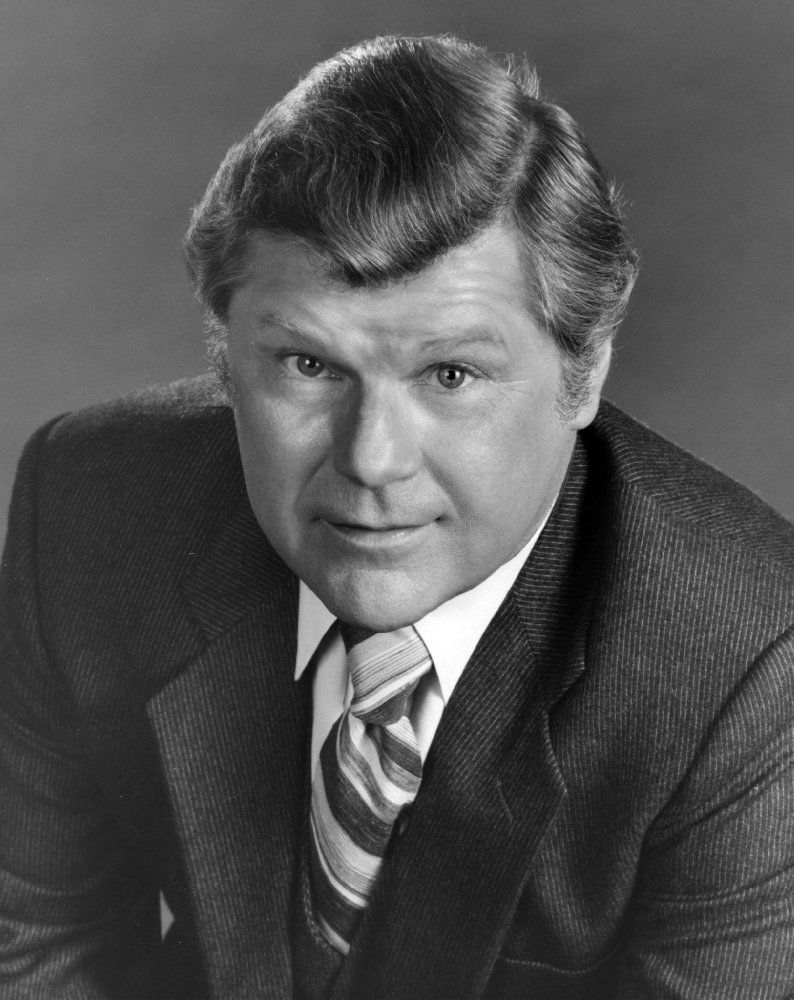
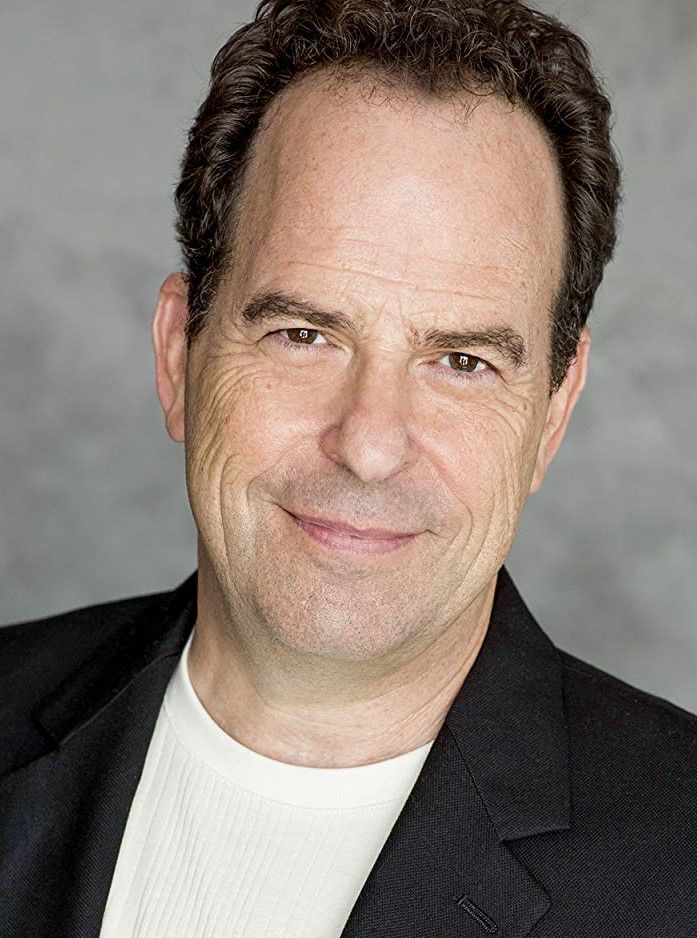
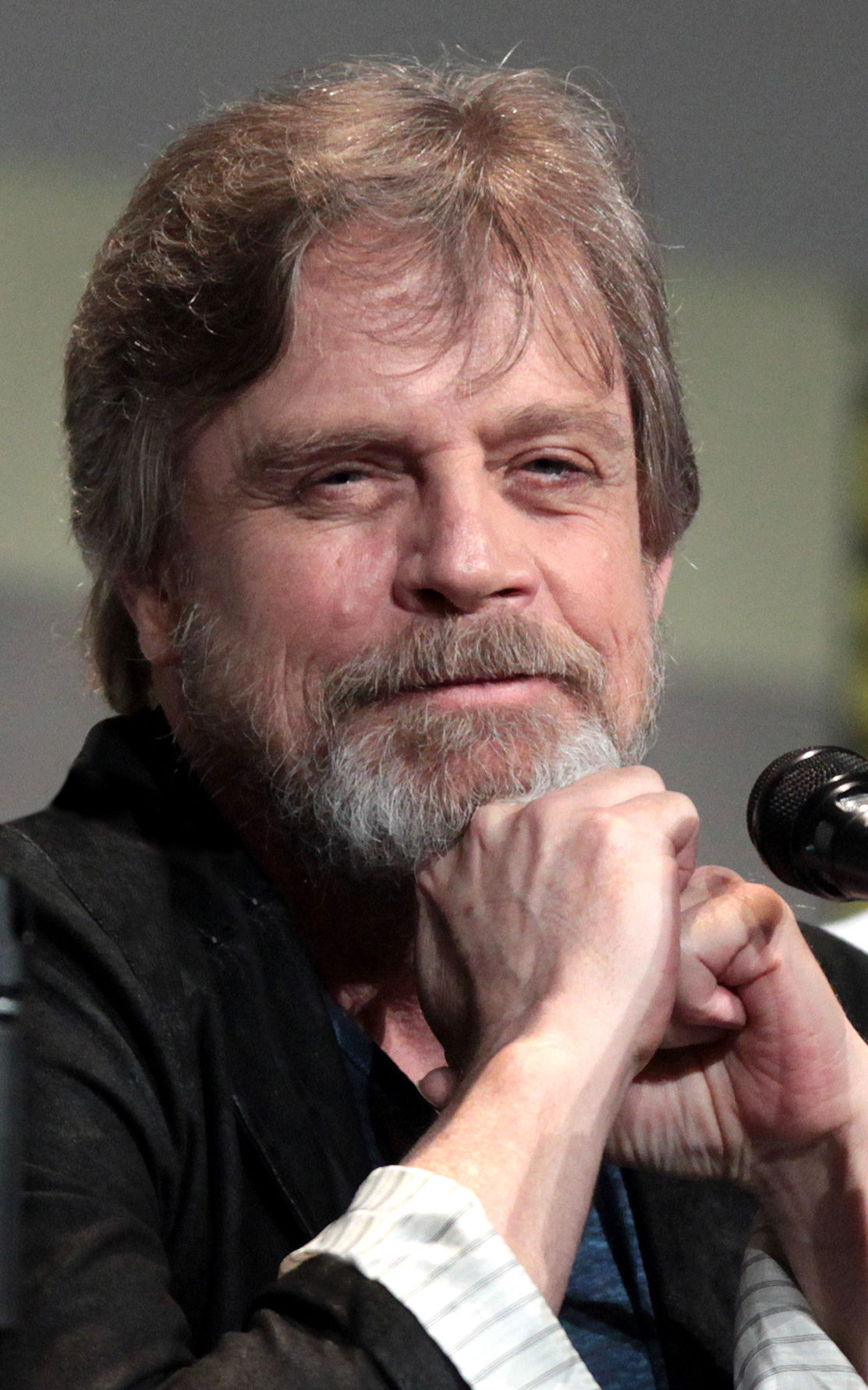
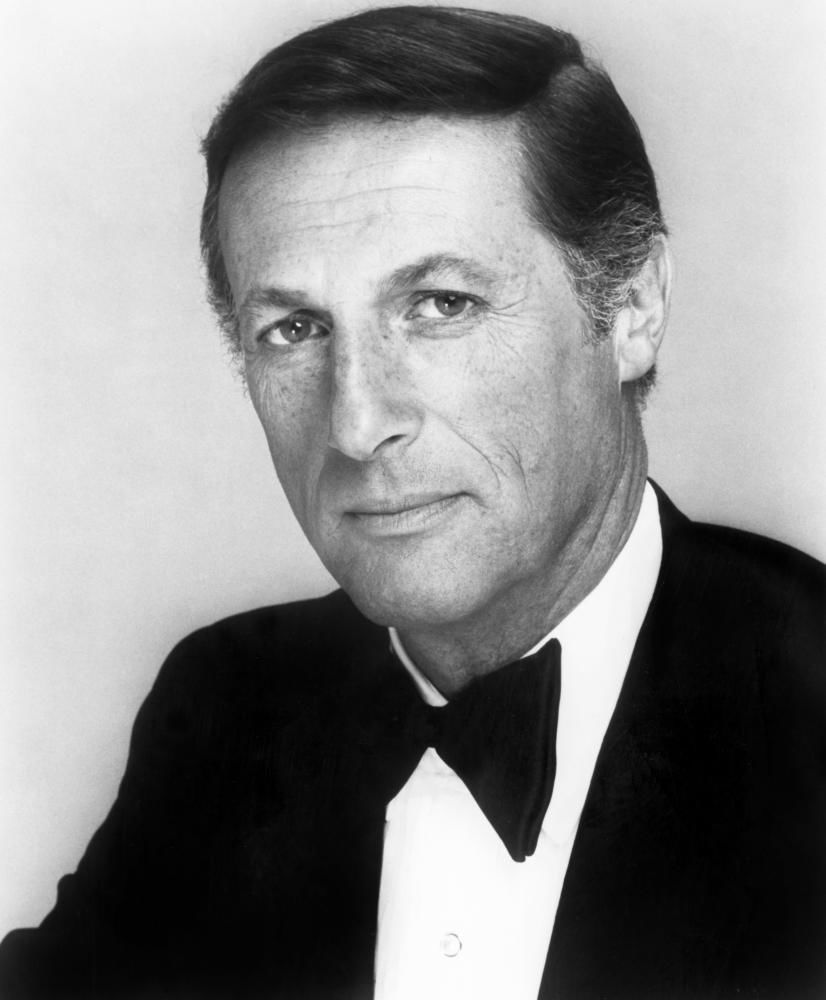
Kevin Conroy gives Bruce Wayne and Batman related but distinct voices, using public warmth, private control and moral fatigue. His performance makes Batman authoritative without removing compassion. Mark Hamill gives the Joker a laugh that can change from comic performance to threat inside one breath. Efrem Zimbalist Jr makes Alfred dry, loyal and willing to challenge Bruce rather than merely serve him. Bob Hastings gives Commissioner Gordon trust shaped by professional experience. Loren Lester develops Dick Grayson from Robin into a hero with his own limits, while Melissa Gilbert and later Tara Strong voice Barbara Gordon across the continuity. Arleen Sorkin's Harley Quinn began in this series and grew from comic sidekick into a character whose relationship with the Joker exposes abuse. Michael Ansara gives Mr Freeze restrained grief in Heart of Ice. The cast demonstrates that family animation can support psychological performance without requiring every emotion to be spoken directly.
Verified Jul 16, 2026
Dark Deco design and music recorded like drama
The production used black paper for backgrounds in early development, helping Gotham's night skies and architecture achieve unusual depth. Bruce Timm's simplified character designs support clear movement, while Eric Radomski's visual direction blends Art Deco buildings, modern technology and timeless clothing into a city not tied to one exact year. The creators described the result as Dark Deco. Shirley Walker led a major orchestral musical identity, with different composers giving villains and emotions recurring themes. Title cards make episodes feel like individual illustrated stories. Animation was produced through several overseas studios, so movement and detail vary, but strong layouts preserve atmosphere. The programme was allowed darker subject matter than many weekday cartoons while still working within broadcast limits. Its influence comes not only from shadows; careful staging, voice direction and music treat a 22-minute story with the seriousness of crime drama, tragedy or film noir.
Verified Jul 16, 2026
Villains receive empathy without automatic forgiveness
Heart of Ice reimagines Mr Freeze around grief and corporate harm, creating understandable motive without presenting innocent victims as acceptable. Two-Face connects Harvey Dent's public pressure with untreated psychological conflict, though its terminology reflects the era rather than modern clinical guidance. Clayface, Baby-Doll and others are given losses that complicate their crimes. The Joker receives less tragic explanation and functions as a test of Batman's refusal to kill. Harley Quinn's popularity later expanded far beyond her first portrayal, but the original episodes already show that humour and abuse can exist in the same relationship. Batman's compassion is strongest when he recognises the person without allowing danger to continue. This approach helped change superhero animation: action could resolve the immediate threat while the ending remained sad, uncertain or critical of the institution that helped create it. Not every portrayal has aged equally well, making context and discussion useful.
Verified Jul 16, 2026
Family suitability and the wider animated universe
The series was made for younger audiences but includes guns, death references, child danger, psychological distress, abusive relationships, frightening transformations and intense villains. Most violence avoids blood, yet episodes such as Dreams in Darkness, Feat of Clay and stories involving the Joker may frighten sensitive children. School-age viewers often enjoy it with guidance; parents should assess individual episodes. Two-Face uses outdated ideas around mental illness, and Harley's relationship should be discussed as abuse rather than comic romance. The New Batman Adventures is the direct visual continuation, followed within the broader continuity by Justice League and Justice League Unlimited. Batman Beyond is set later and works best after some familiarity. Films may carry stronger ratings than normal episodes. Because service ordering varies, viewers should confirm titles when a supposed introduction appears to assume a character already exists.
Verified Jul 16, 2026