In-depth guide
Jimmy's legal path and Mike's criminal path
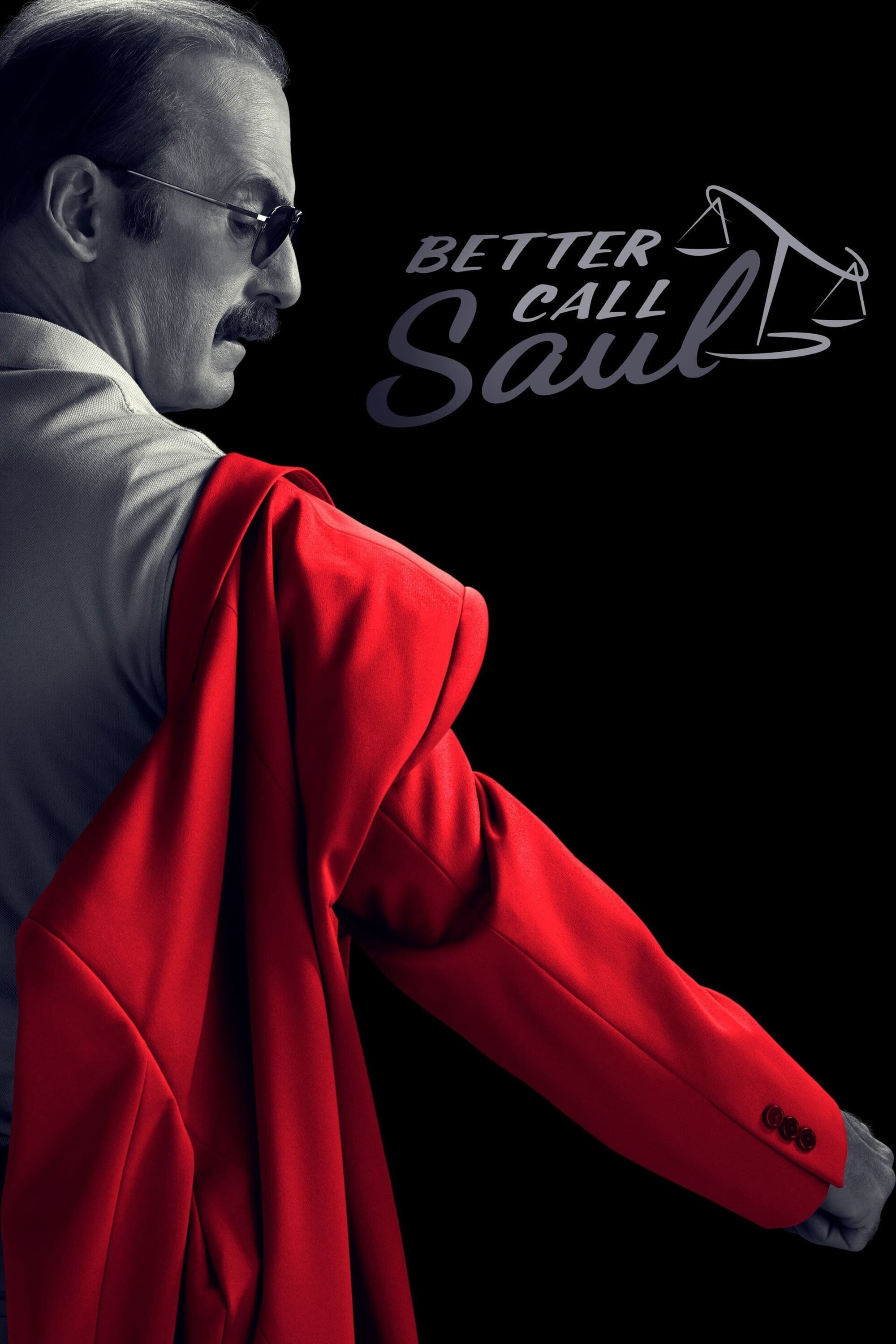
Jimmy McGill begins as a struggling Albuquerque lawyer handling public-defender work and caring for his older brother Chuck, a respected attorney living with a claimed sensitivity to electricity. Jimmy seeks a place at Hamlin, Hamlin & McGill while trying to distance himself from a history of scams. His relationship with Kim Wexler becomes professional, romantic and increasingly connected to rule-breaking. A parallel story follows former police officer Mike after he reaches New Mexico and becomes involved with criminal organisations that later matter in Breaking Bad. These paths gradually meet through cartel figures, Gus Fring and lawyer work. Black-and-white sequences involving Gene Takavic take place after Breaking Bad and continue across seasons. Watch all 63 episodes in order. The early pace focuses on legal work and family conflict before criminal scale grows; skipping ahead would remove the reasons Saul's public identity and Kim's decisions carry emotional weight.
Verified Jul 16, 2026
Odenkirk and Seehorn make small choices visible
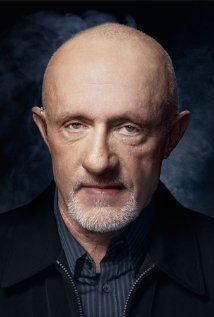
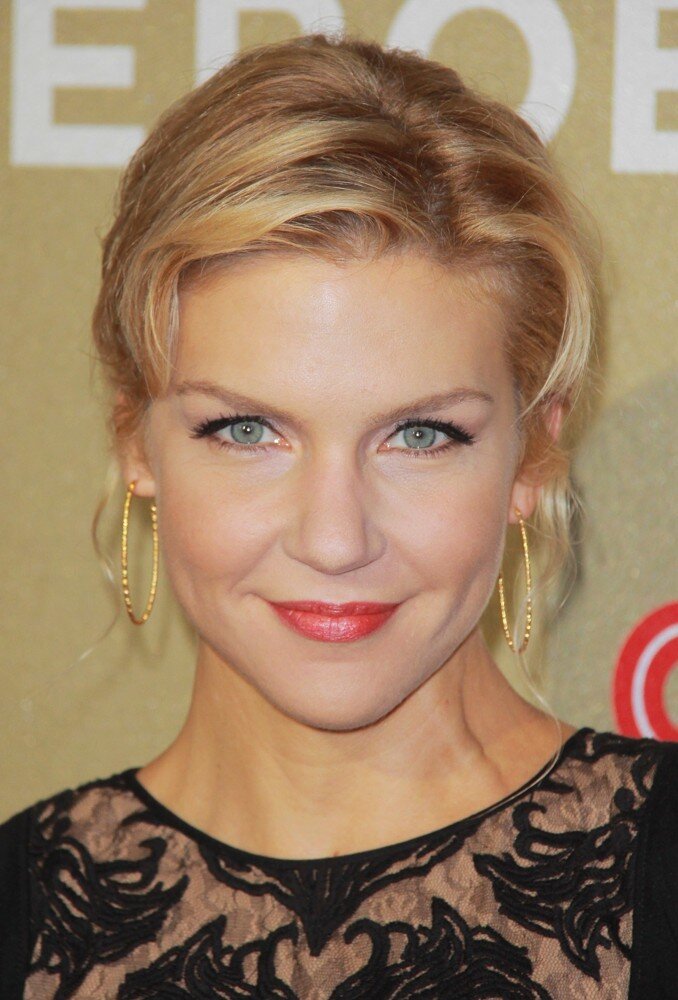
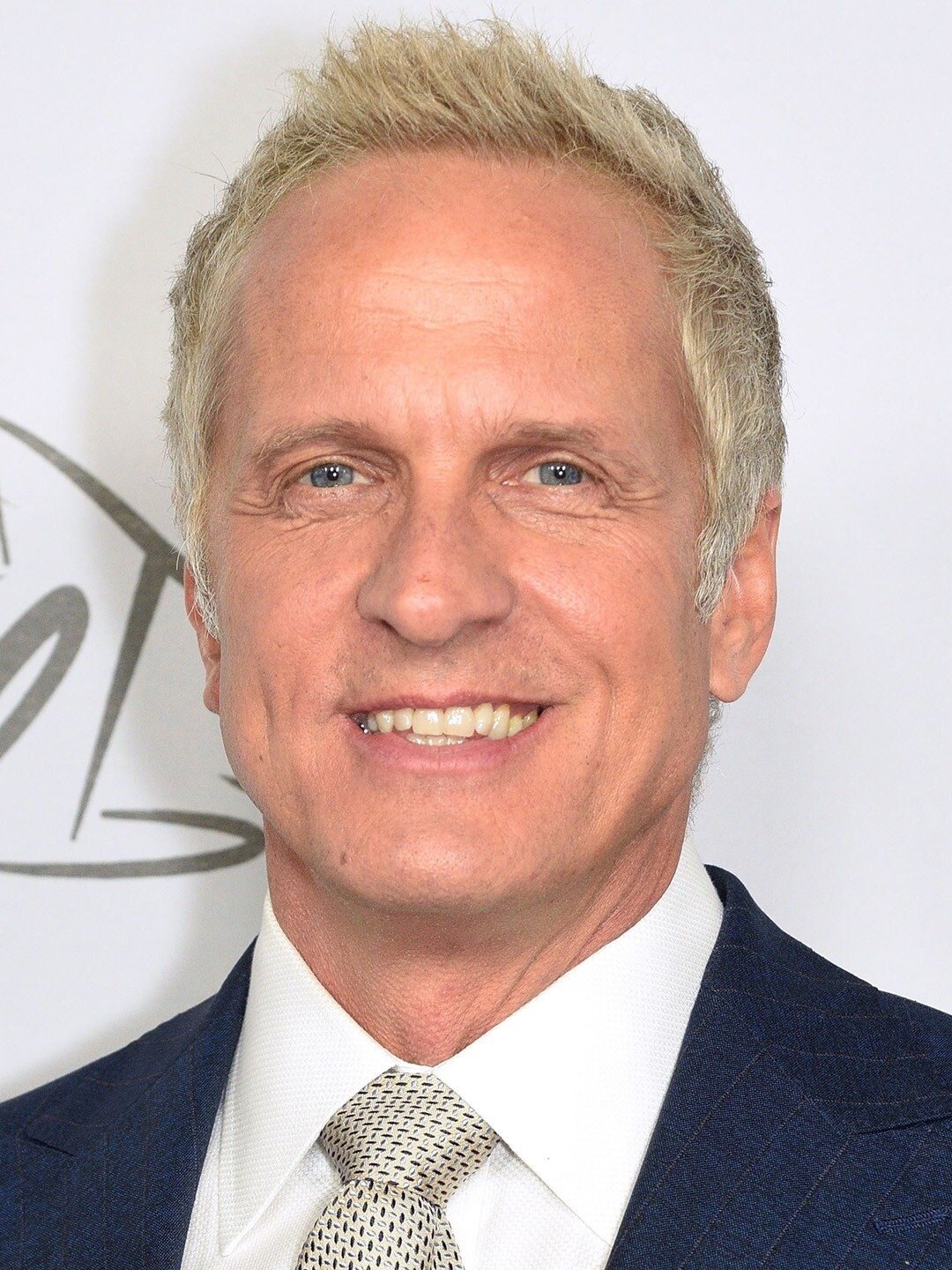
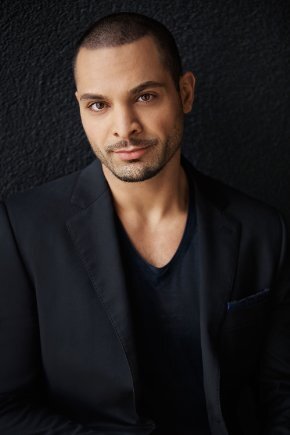
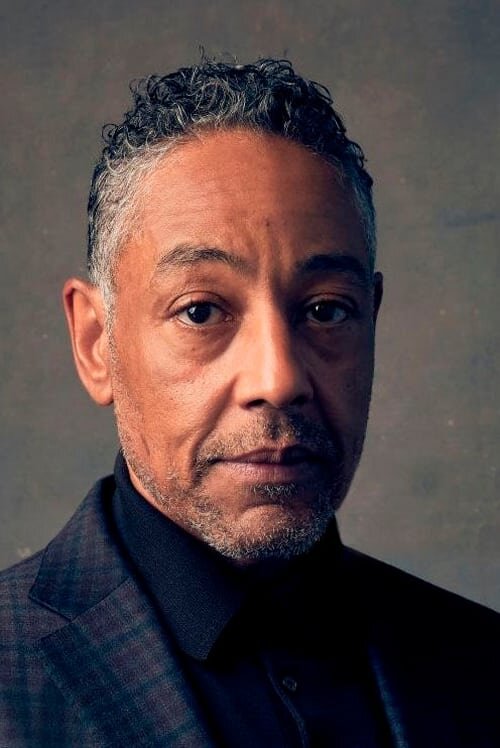
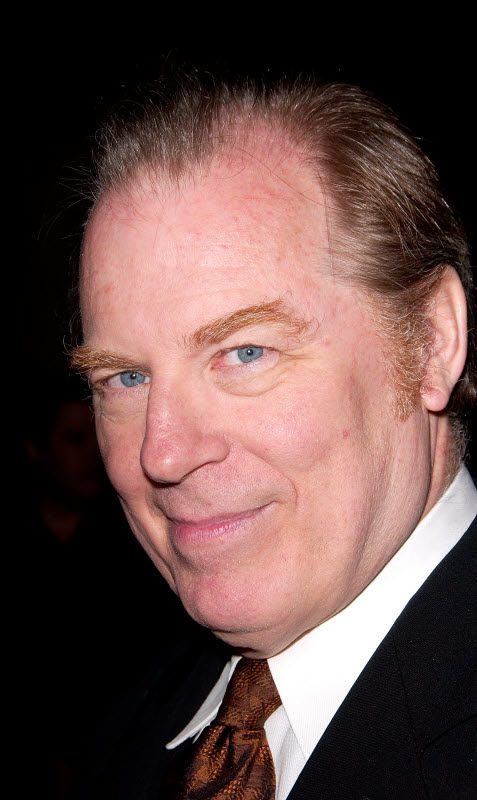
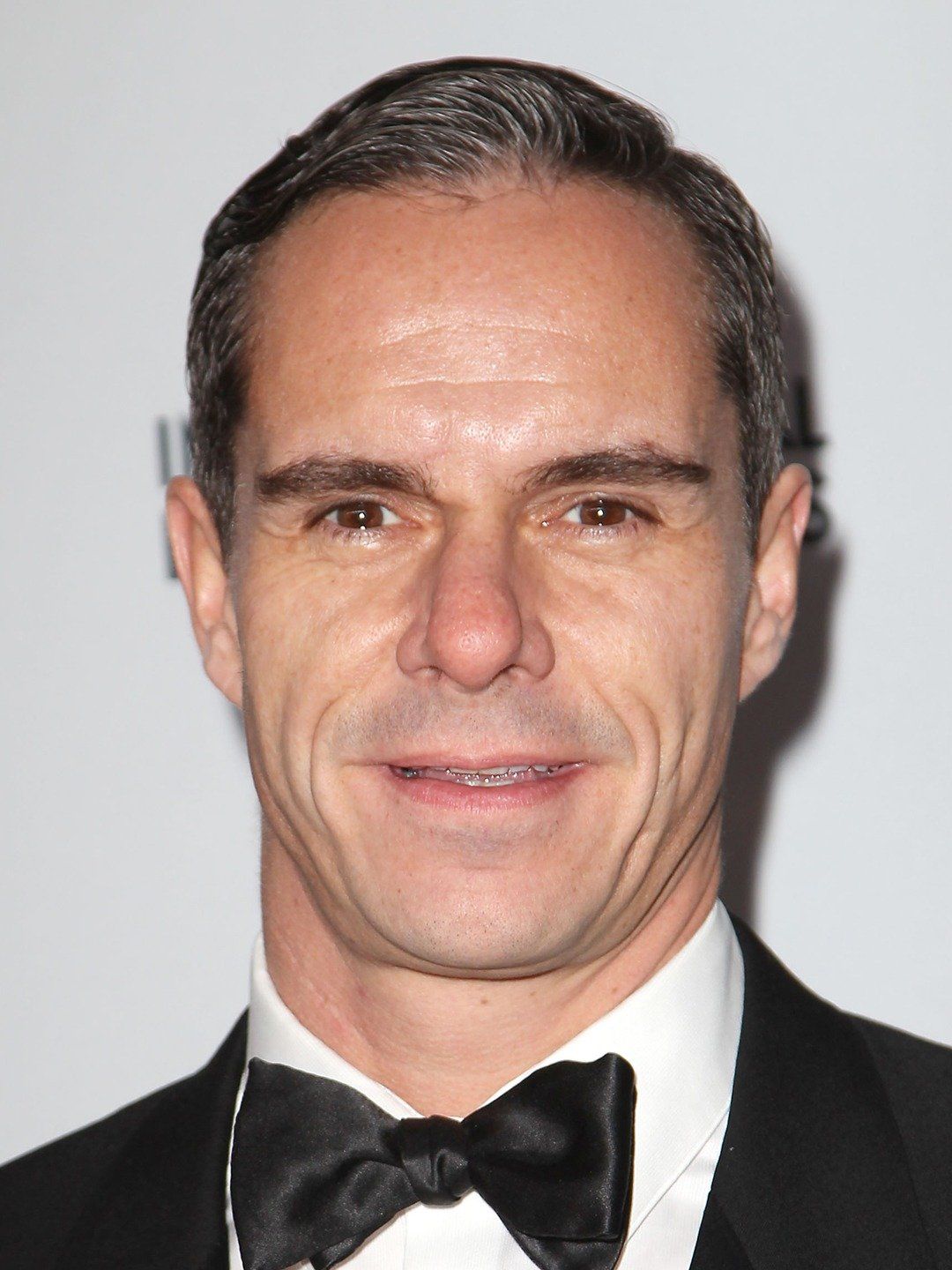
Bob Odenkirk uses comic speed as Jimmy's professional skill and emotional defence. A pause before a lie or the energy of a sales pitch can reveal whether he is solving a problem or avoiding shame. Rhea Seehorn gives Kim restraint, intelligence and a private appetite for risk that develops without becoming a sudden copy of Jimmy. Michael McKean makes Chuck brilliant, ill and painfully specific about his brother, allowing accurate concern and damaging behaviour to coexist. Patrick Fabian gives Howard more complexity than Jimmy's first impression grants him. Jonathan Banks makes Mike patient and competent while showing that a personal code cannot make criminal work clean. Giancarlo Esposito returns to Gus with controlled preparation, and Michael Mando gives Nacho Varga fear, ability and limited options. The ensemble turns paperwork, negotiation and waiting into action because professional decisions are also relationship decisions.
Verified Jul 16, 2026
Visual plans, legal detail and patient suspense
The series shares New Mexico locations and some visual language with Breaking Bad while developing a more geometric, observational style. Cold opens may follow an object, process or future fragment before its relationship to Jimmy becomes clear. Cinematographers use office glass, desert distance, parking structures and colour to frame people inside systems they believe they can manage. Kelley Dixon, Skip Macdonald and other editors give legal preparation and criminal surveillance equal procedural weight. Dave Porter's music returns with a quieter dramatic range, while songs often create irony or show work unfolding across time. Montage is central: document review, phone calls, construction and a confidence trick can become character studies without explanatory dialogue. The black-and-white Gene material changes colour expectations and places viewers in a life built around avoiding recognition. Patient craft is not empty slowness; it lets consequence arrive from a detail established many episodes earlier.
Verified Jul 16, 2026
Is Saul inevitable?
Knowing the Breaking Bad identity creates fatalistic pressure, but the series repeatedly shows off-ramps. Jimmy receives genuine opportunities, experiences unfair rejection, causes harm, seeks approval and chooses methods that make the next compromise easier. Chuck does not create every later decision, though his distrust strengthens Jimmy's worst story about himself. Kim is not simply the good influence Jimmy loses. She has agency, professional ambition and reasons for enjoying schemes, making the partnership more equal and more tragic. Mike's code provides a parallel illusion: careful rules may limit some harm but cannot remove participation in a violent system. The prequel format therefore becomes a study of contingency. Viewers know where several people end, yet the route still contains moments when another choice was possible. The final season connects timelines without reducing the conclusion to franchise explanation; accountability and whether performance can finally stop remain the important questions.
Verified Jul 16, 2026
Correct franchise order and mature content
For first-time viewers, watch Breaking Bad, then Better Call Saul, then El Camino. Chronological order is possible on a repeat but reveals Breaking Bad outcomes through Better Call Saul's future timeline. Better Call Saul contains shootings, cartel violence, suicide, strong language, drug crime, psychological abuse and occasional sexual material. It is generally less continuously graphic than Breaking Bad, but later seasons become intense and include major deaths. The Chuck story contains mental-health distress and self-harm that may be difficult. It is intended for mature viewers. There are six seasons and 63 episodes, all required for the complete story. The opening seasons reward patience and should not be judged only by whether a familiar criminal character has appeared. Official availability differs by region, and platform labels should follow the original season order.
Verified Jul 16, 2026