In-depth guide
The premise and five-season progression
The pilot introduces Walter's financial fear, cancer diagnosis and knowledge that former student Jesse has a connection to local drug dealing. Walter proposes a partnership built around his chemistry expertise and Jesse's practical access. Early episodes balance danger with dark comedy as two inexperienced partners solve immediate problems badly. Across five seasons, their operation changes in scale and encounters distributors, cartel interests, lawyer Saul Goodman, former police officer Mike Ehrmantraut and businessman Gus Fring. Hank Schrader investigates the drug trade without knowing how close the central source is to his family. Skyler gradually recognises that Walter's absences and explanations do not fit. Each season completes major conflicts while carrying consequences forward, and later episodes frequently rely on a small object or decision established much earlier. New viewers should avoid character-status searches, episode rankings and sequel descriptions because the end points of major relationships are commonly revealed in titles and thumbnails.
Verified Jul 16, 2026
Walter, Jesse and the family around them
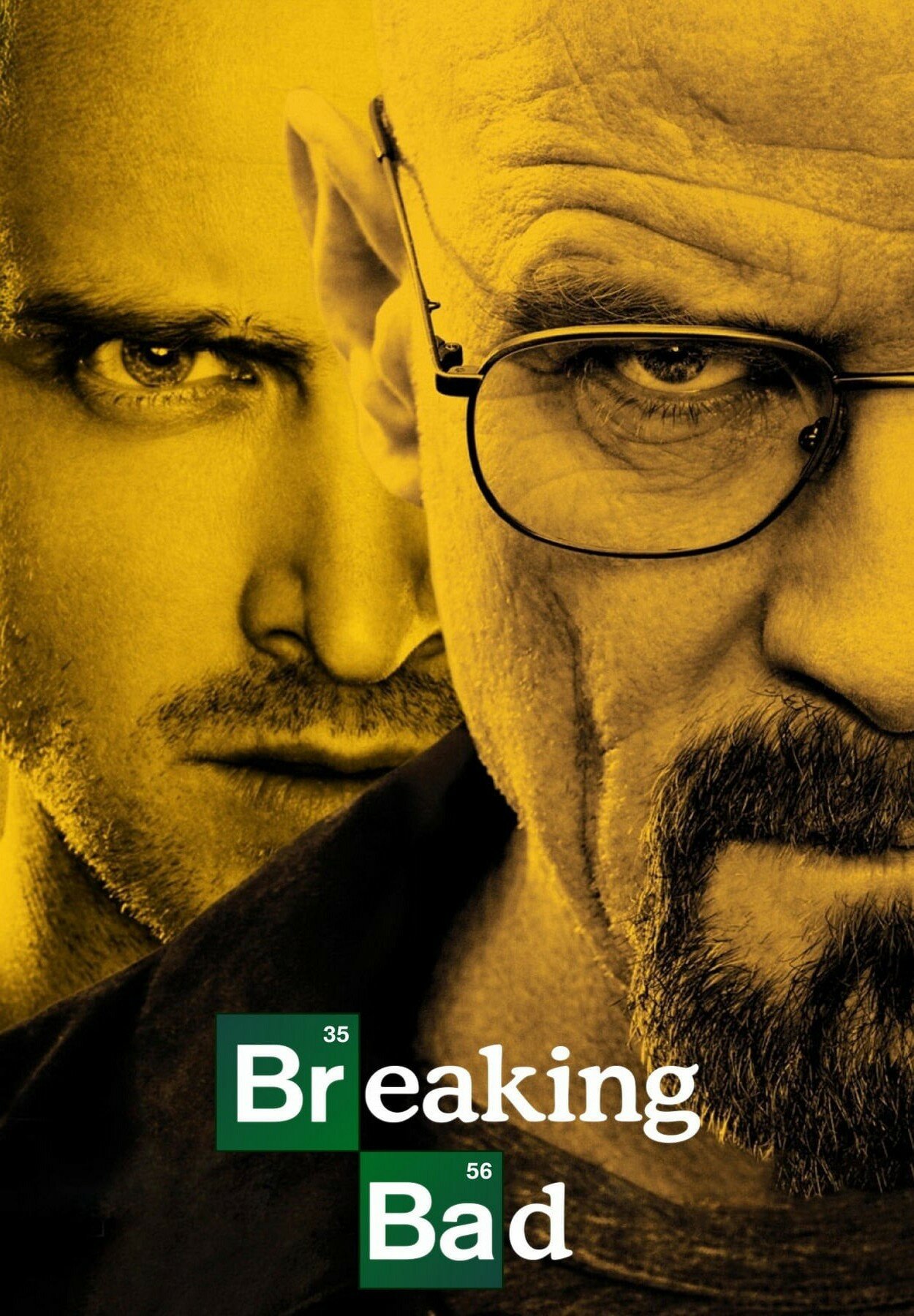
Bryan Cranston makes Walter's change gradual enough that early fear, intelligence and resentment remain visible beneath later authority. His voice and posture alter depending on whether he is speaking as teacher, husband, patient or criminal identity. Aaron Paul gives Jesse humour, impulsiveness and increasing awareness of people treated as expendable. Anna Gunn makes Skyler observant and practical while the story places her inside choices she did not create. Dean Norris gives Hank confidence and comic aggression, then reveals professional fear and vulnerability as investigations become personal. RJ Mitte keeps Walter Jr's needs and loyalty distinct from the secret story adults are managing. Giancarlo Esposito makes Gus controlled enough that small breaks in routine become threatening. Jonathan Banks gives Mike weary professional judgement, while Bob Odenkirk turns Saul's fast comic language into a survival method. The ensemble prevents Walter's transformation from existing in isolation; every gain changes someone else's safety, trust or ability to choose.
Verified Jul 16, 2026
Visual storytelling and patient cause-and-effect
The New Mexico landscape gives the series open distance while characters remain trapped by plans and secrets. Cinematography uses wide desert frames, unusual object-level viewpoints and controlled colour associations without requiring viewers to decode every shirt as a fixed symbol. Cold opens often present an image whose meaning becomes clear much later, turning ordinary items into evidence of consequence. Editors move between procedural detail and family conversation so chemistry, money handling and lies feel like parts of the same system. Dave Porter's restrained score works with carefully selected songs and long periods of natural sound. Practical effects and location work give dangerous tasks physical weight, though the programme should never be treated as instruction for drug production. The pace is more patient than a constant-action thriller, especially in early seasons. That patience allows later conflict to grow from established habits. Episodes often ask viewers to sit with cleanup, waiting and emotional aftermath rather than moving directly from one set piece to another.
Verified Jul 16, 2026
Why the series is not simply about a good man turning bad
Walter begins with sympathetic pressures, but the pilot also shows resentment about lost status and unrealised talent. The series does not reveal one moment when a completely good person becomes a different species of person. It tracks repeated decisions in which fear, pride, love and control receive different weight. Opportunities to stop appear more than once, making later claims of necessity increasingly weak. Jesse provides a contrasting moral movement. He begins as the person Walter considers irresponsible, yet his response to children, partners and violence often becomes more humane as Walter becomes more strategic. Skyler's constrained choices also expose how audiences may excuse the central antihero while judging people who obstruct his preferred story. The title describes chemical change, but human behaviour is neither instant nor irreversible. Characters can recognise harm, confess, refuse, repeat or seek repair. The show remains compelling because understanding a motive never requires approving the action that follows.
Verified Jul 16, 2026
How to watch and what to expect
Watch all 62 episodes in broadcast order across five seasons. The short first season was affected by the 2007โ08 writers' strike but still functions as the intended opening. Better Call Saul is a prequel and companion series released later; first-time viewers can watch Breaking Bad first to preserve introductions, then Better Call Saul, followed by the film El Camino. The series contains drug production and use, murder, suicide themes, explosions, shootings, poisoning, child endangerment, strong language, sexual material and domestic intimidation. Violence can be graphic and emotional pressure is sustained, so it is intended for mature viewers. Episode runtimes are generally around commercial-hour television length, and the story rewards regular viewing without needing a binge. The final season is particularly intense. Viewers should use official regional availability because streaming catalogues change and should check detailed warnings if children, overdose or captivity are sensitive subjects.
Verified Jul 16, 2026