In-depth guide
Five episodes from explosion to explanation
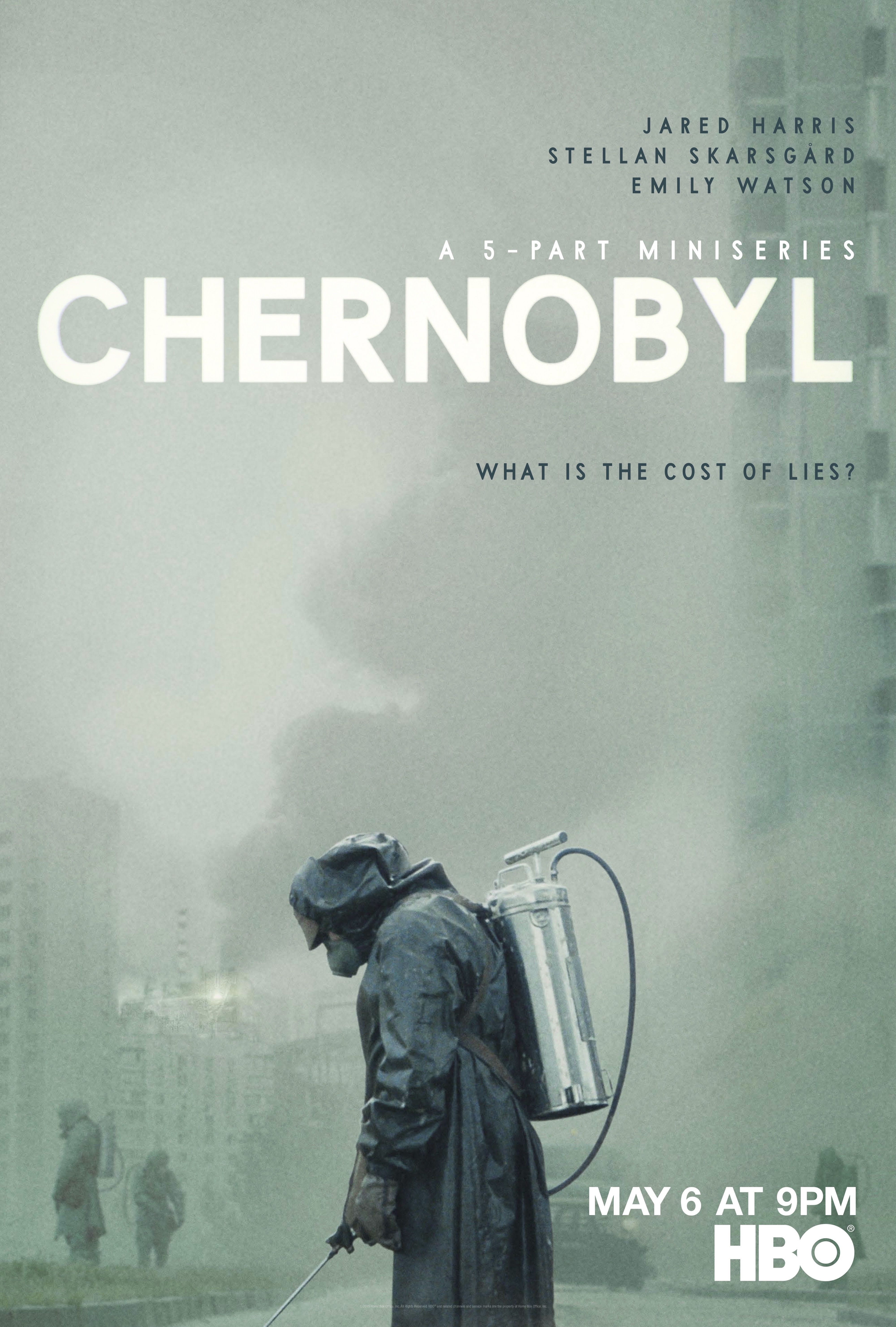
The first episode begins near the reactor explosion and follows workers, firefighters and local officials trying to understand conditions their instruments and assumptions were not prepared to accept. Legasov is brought into a government commission led by Shcherbina, while residents of Pripyat continue ordinary life before evacuation. Later episodes cover the effort to limit fire and contamination, miners asked to work beneath the plant, cleanup teams, hospital consequences and the killing of contaminated animals. Khomyuk investigates the reactor and pressures Legasov to preserve testimony. The final episode uses a trial to explain reactor design, operator decisions and the institutional environment, while also returning to the night of the explosion. The miniseries is complete in five chapters and should be watched in order. Some scenes compress months, merge people or move explanations for clarity. The trial provides an effective dramatic lesson, but it does not reproduce one exact historical speech delivered as shown.
Verified Jul 16, 2026
Experts trying to communicate inside power
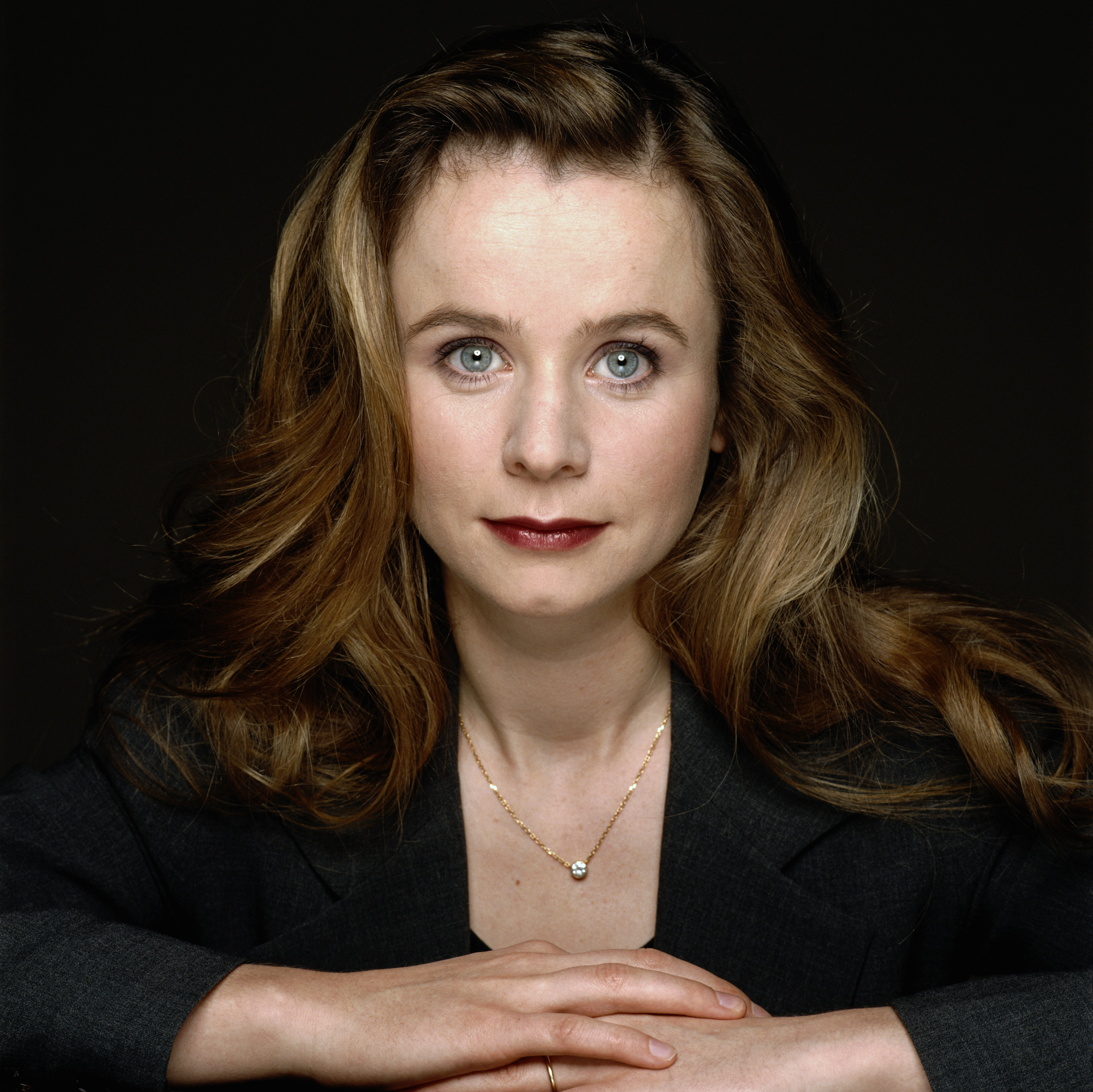
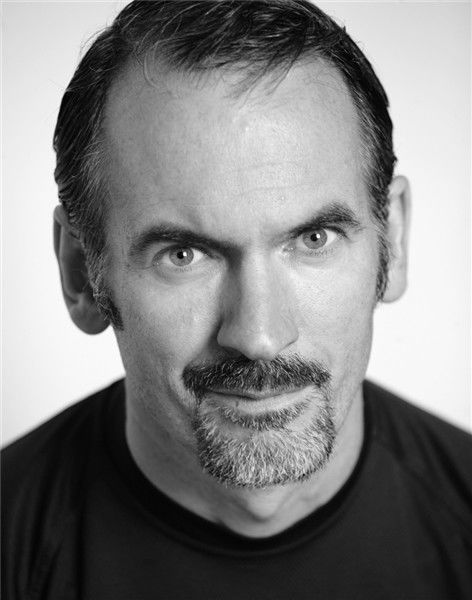
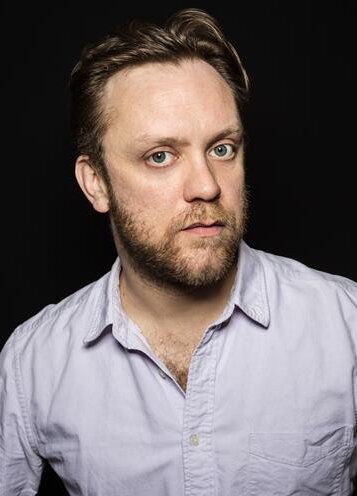
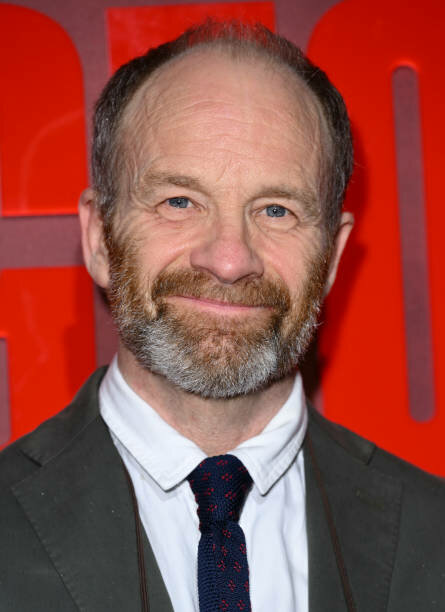
Jared Harris gives Legasov intellectual precision and visible fear about what truth may cost. His explanations are clear because the performance treats teaching as urgent work rather than a display of superiority. Stellan Skarsgård makes Shcherbina initially procedural and sceptical, then gradually more capable of using political authority to support practical action. Their changing partnership gives the large disaster a human line of communication. Emily Watson's Khomyuk represents work and persistence drawn from multiple scientists rather than one historical person. That composite helps the story move, but viewers should not search for a single biography matching every scene. Paul Ritter gives Anatoly Dyatlov aggressive certainty, while Jessie Buckley carries the civilian perspective through Lyudmilla Ignatenko's experience. Barry Keoghan and Fares Fares appear in the animal-control episode, showing a different kind of cleanup trauma. The ensemble repeatedly distinguishes not knowing, refusing to know and being prevented from saying what is known.
Verified Jul 16, 2026
Making radiation present without showing it
The production uses Lithuanian locations, period equipment, uniforms and industrial spaces to create a Soviet environment without turning every frame into a stereotype. Jakob Ihre's cinematography often keeps the destroyed reactor at a distance, while characters' faces and dosimeters make invisible exposure understandable. Hildur Guðnadóttir's score uses sounds recorded around a nuclear plant, creating metallic pressure that can feel like machinery, breath and alarm at once. Sound design gives clicks, alarms and sudden quiet practical meaning. Makeup and effects depict acute radiation injury in disturbing detail, although timelines and appearances are shaped for drama. Editors move among control rooms, apartments, hospitals and government meetings so consequence spreads beyond one building. The rooftop cleanup sequence uses strict time and repeated instructions to communicate danger more effectively than a long technical lecture. Visual restraint is important: the series creates dread from systems, particles and delayed knowledge rather than inventing a visible monster.
Verified Jul 16, 2026
What the series changes and why fact-checking matters
Legasov and Shcherbina were real; Khomyuk is explicitly a composite. Helicopter events, the role of one trial speech, the 'bridge of death' claim, individual conversations and some timing have been debated or dramatised. The series can also encourage a simple image of Soviet secrecy without equally examining nuclear governance and institutional incentives elsewhere. Its broad claim—that suppression and poor safety culture worsened disaster—has historical support, but precise responsibility requires technical reports and specialist history. Viewers should consult the International Atomic Energy Agency, World Nuclear Association, archives and scholarship, while recognising that sources may themselves revise earlier conclusions. Fact-checking is not an attack on the drama. It is the responsible response to a work that argues truth matters. The miniseries is most valuable when it motivates questions about reactor design, emergency communication, worker exposure, evacuation and how institutions correct dangerous information.
Verified Jul 16, 2026
Severe medical imagery and historical distress
Chernobyl is intended for mature viewers. It contains graphic radiation injuries, burns, death, suicide, animal killing, pregnancy-related grief, bodies, hospital distress and sustained dread. The fourth episode includes close-range killing of abandoned pets and can be especially difficult. The opening also depicts suicide, and later material describes painful deaths. Schools and families should use episode-specific warnings and provide historical context. The series has five episodes of roughly one hour or more and tells a complete story; there is no second season required. Viewers sensitive to medical trauma, disaster or animal harm may choose summaries or skip selected scenes. Despite educational value, it is not a documentary and should not be the only source used to learn nuclear science or Soviet history. Official reports and museum testimony can clarify which characters, events and claims were combined for television.
Verified Jul 16, 2026