In-depth guide
The notebook rules and the central investigation
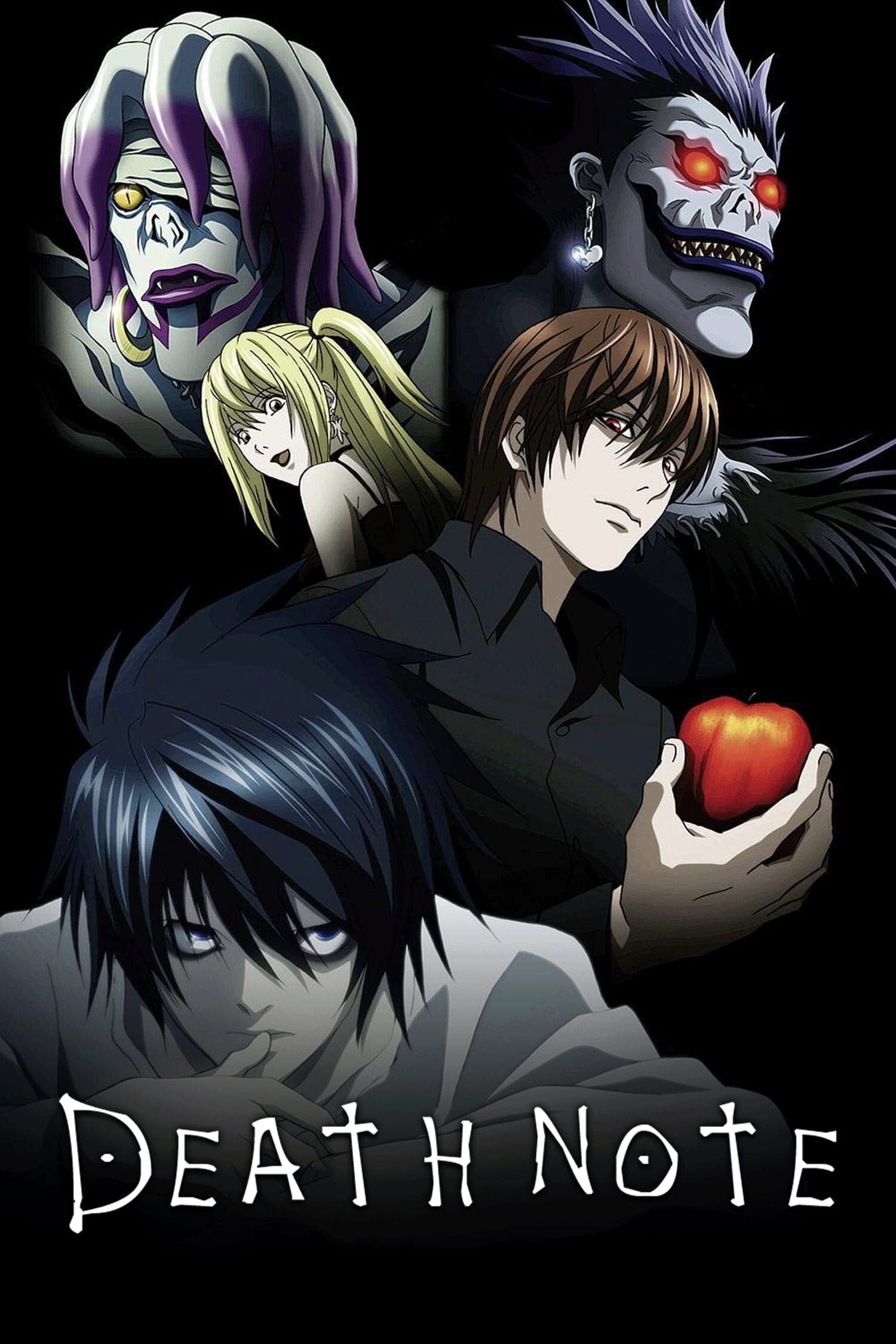
Light discovers the Death Note and tests its claim before deciding to kill people reported as criminals. Ryuk reveals himself as the notebook's previous owner but refuses to become Light's servant. As unexplained deaths increase, the public creates the name Kira and international investigators turn to L. L uses broadcasts, regional information and direct psychological pressure to narrow the search. Light's father leads the Japanese task force, placing Light close to police information and making exposure a family danger. Additional notebooks, shinigami and people with different relationships to Kira complicate the rules. The anime can be discussed in two broad movements, but describing the dividing event would reveal a major outcome. Watch all 37 episodes in numbered order. Rules displayed between scenes are useful, though the story explains essential mechanics through action. First-time viewers should avoid character lists and episode thumbnails because later investigators, identities and deaths are frequently shown.
Verified Jul 16, 2026
Light, L and Ryuk create three kinds of attention
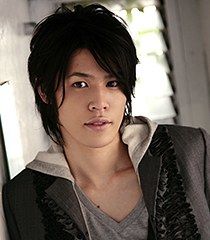
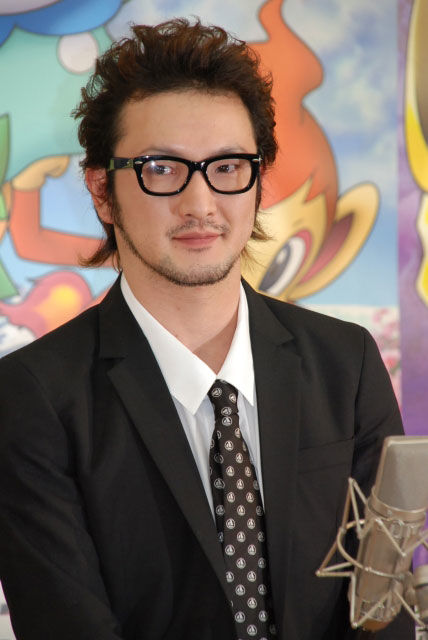
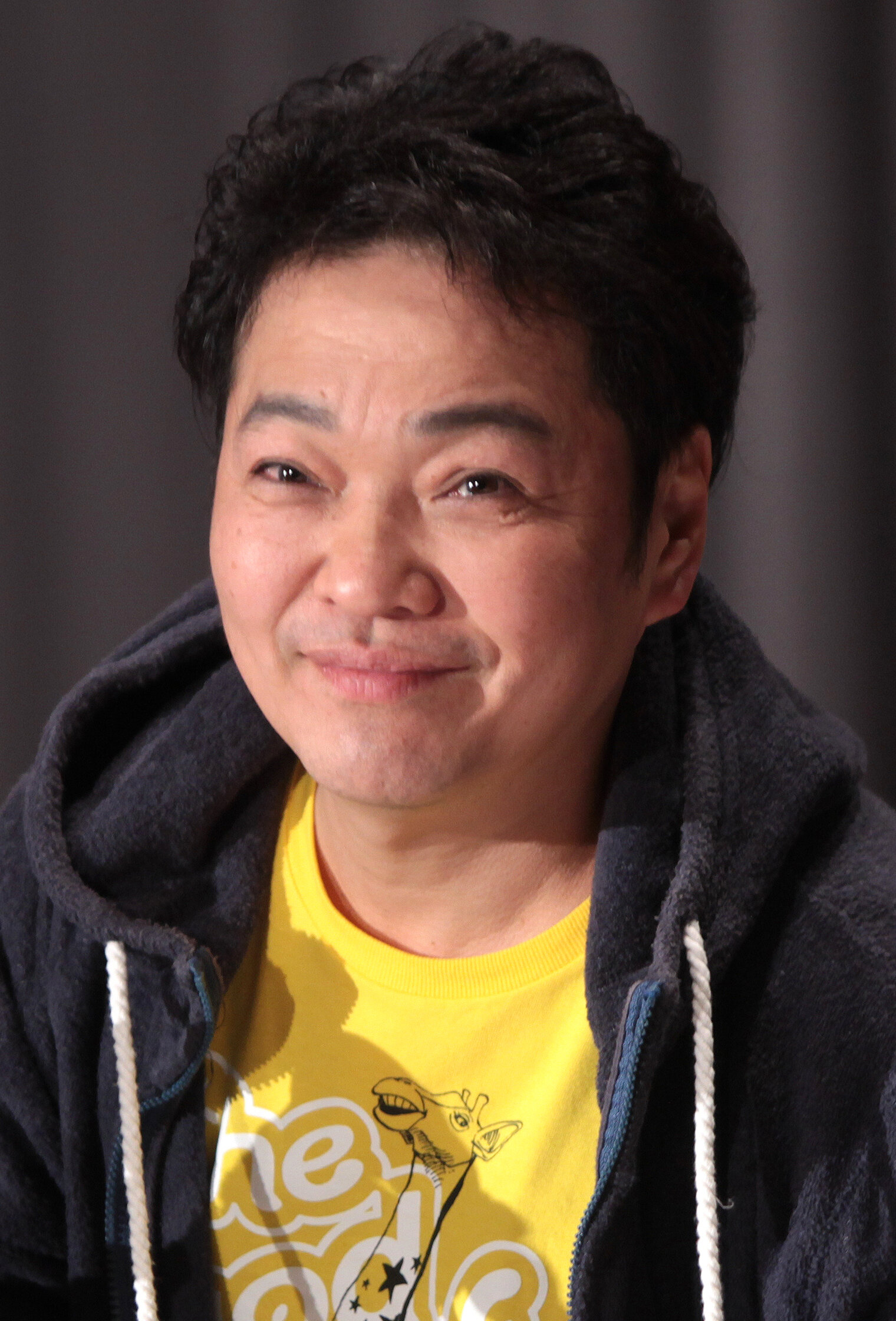
Mamoru Miyano gives Light confidence that grows into theatrical certainty, while Brad Swaile provides a controlled English interpretation. Kappei Yamaguchi and Alessandro Juliani make L's unusual posture and eating habits distinct without losing his sharp focus. Their conversations work because each person may know that the other is lying but cannot yet prove the necessary fact. Shidō Nakamura and Brian Drummond give Ryuk amusement and detachment. He likes human unpredictability but does not protect Light from consequence. Aya Hirano and Shannon Chan-Kent make Misa emotionally direct and dangerously willing to sacrifice for Kira, although the writing sometimes gives her less strategic depth than the premise allows. Naoya Uchida and Chris Britton give Soichiro Yagami moral seriousness, making the investigation more than an abstract duel. Both Japanese and English tracks have established audiences. Choose the language that supports attention to dense exchanges; neither requires pretending the other performance does not exist.
Verified Jul 16, 2026
Turning thought into visual action
Studio Madhouse uses strong shadows, red and blue colour contrasts, rapid internal monologue and exaggerated camera angles to make planning feel physical. A character writing a name can be edited like an action sequence because music, close-ups and imagined consequence reveal the scale of intention. Yoshihisa Hirano and Hideki Taniuchi's score moves between choral weight, suspense and rock energy. Character designs preserve Takeshi Obata's sharp manga identities while animation expands lighting and movement. Repeated objects—apples, watches, televisions, photographs and pages—become practical tools rather than decoration. The direction sometimes presents Light's certainty with grand visual force, but visual excitement should not be confused with endorsement. Later episodes compress manga material more heavily than the early run, which can make new characters and plans feel faster. Readers seeking fuller detail may continue with the original manga after the anime, but the television series still reaches a complete ending.
Verified Jul 16, 2026
Justice without process becomes personal rule
Light begins with a recognisable frustration about violent crime, then grants himself authority to decide guilt, sentence and timing based largely on reported identities. He cannot verify every case or allow correction after death. When investigators oppose him, he treats their lawful or personal challenge as another crime, showing that preservation of Kira has replaced the stated limit. Public support does not solve the problem because fear and incomplete information shape that support. L's methods are also invasive: confinement, deception and surveillance raise questions about what investigators may do to stop a killer. The series invites viewers to enjoy the contest of intelligence while observing that both men can turn people into pieces. Ryuk's final position is important. The notebook never promised a stable new world or loyalty; it offered power under rules and entertainment to an immortal observer. The moral result comes from human choices made around that power.
Verified Jul 16, 2026
Versions and mature subject matter
The 2006 anime has 37 episodes and tells a complete story. It is separate from Japanese live-action films, the 2015 drama and the 2017 American film; none should replace episode one in the anime continuity. Content includes repeated death, heart attacks, suicide, guns, kidnapping, confinement, manipulation, domestic threat and discussions of mass killing. Graphic gore is limited, but the death count and psychological themes are substantial. It is generally suited to older teenagers and adults under local ratings. Younger viewers may imitate the notebook premise as a joke without understanding its themes, so parents should discuss why accusation is not proof and why irreversible punishment is central to the criticism. The second part moves faster and may require closer attention to names and organisations. Viewers can watch in Japanese with subtitles or the English dub; official availability differs by region.
Verified Jul 16, 2026