In-depth guide
How the anthology seasons connect
Season one is set mainly in 2006 and follows insurance salesman Lester Nygaard after meeting violent outsider Lorne Malvo, while deputy Molly Solverson investigates growing inconsistencies. Season two moves back to 1979 and includes a younger version of Molly's father Lou, making it a prequel connection without requiring prior knowledge. Season three tells a new 2010 story involving brothers Emmit and Ray Stussy. Season four moves to 1950 Kansas City and focuses on rival crime organisations, while season five returns to Minnesota and North Dakota with a new contemporary conflict. Each season reaches its own ending and can be watched alone. Release order remains recommended because thematic echoes and family links gain meaning naturally. The television series is not a direct continuation of the 1996 film Fargo, and its repeated 'true story' claim is a storytelling device rather than evidence that each plot documents real crimes.
Verified Jul 16, 2026
New ensembles built around manners and pressure
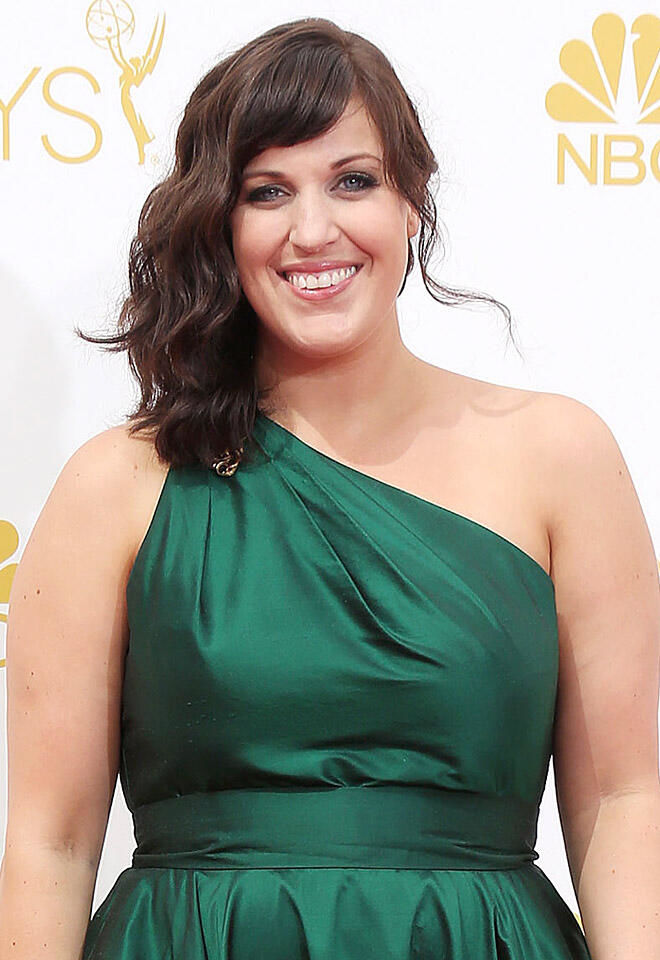
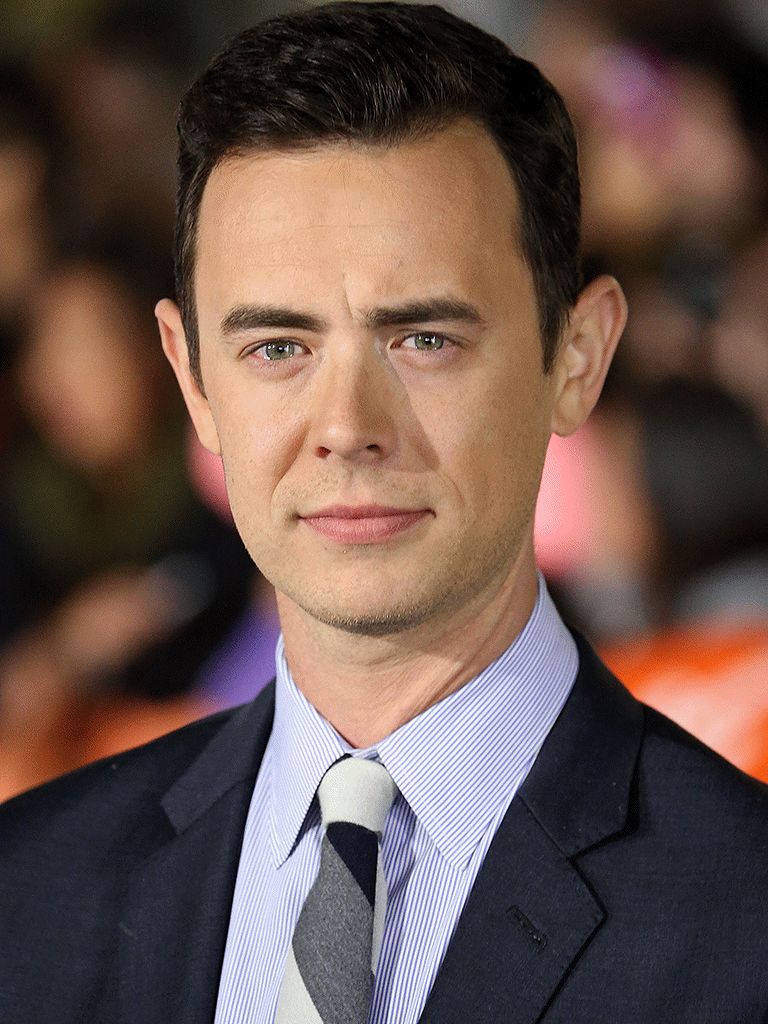
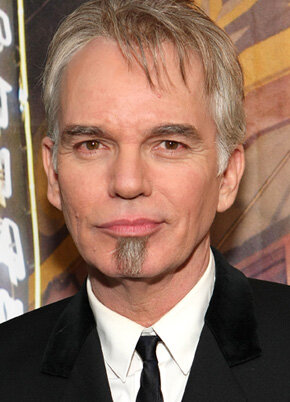
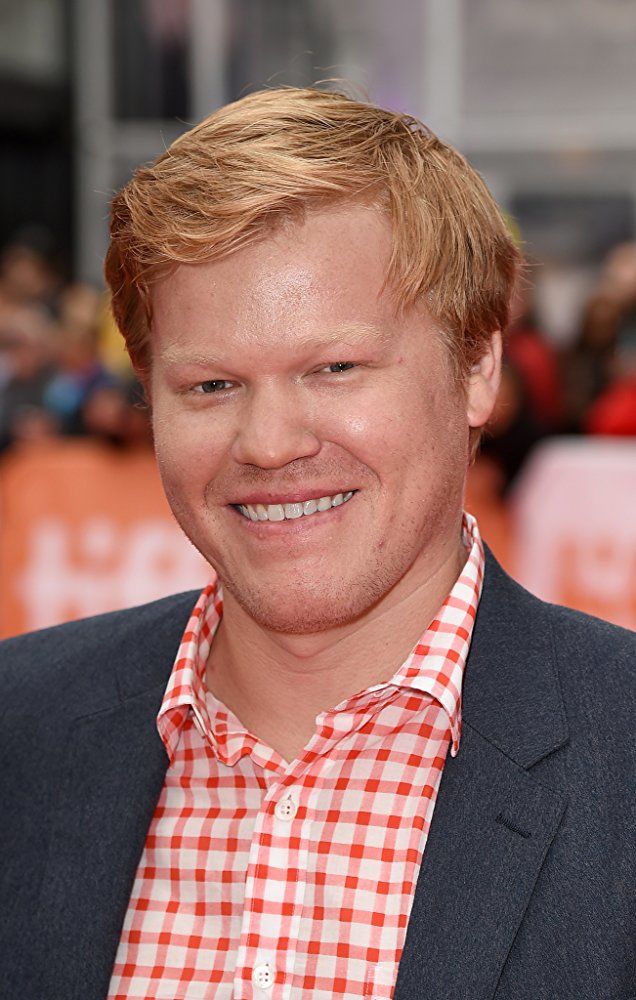
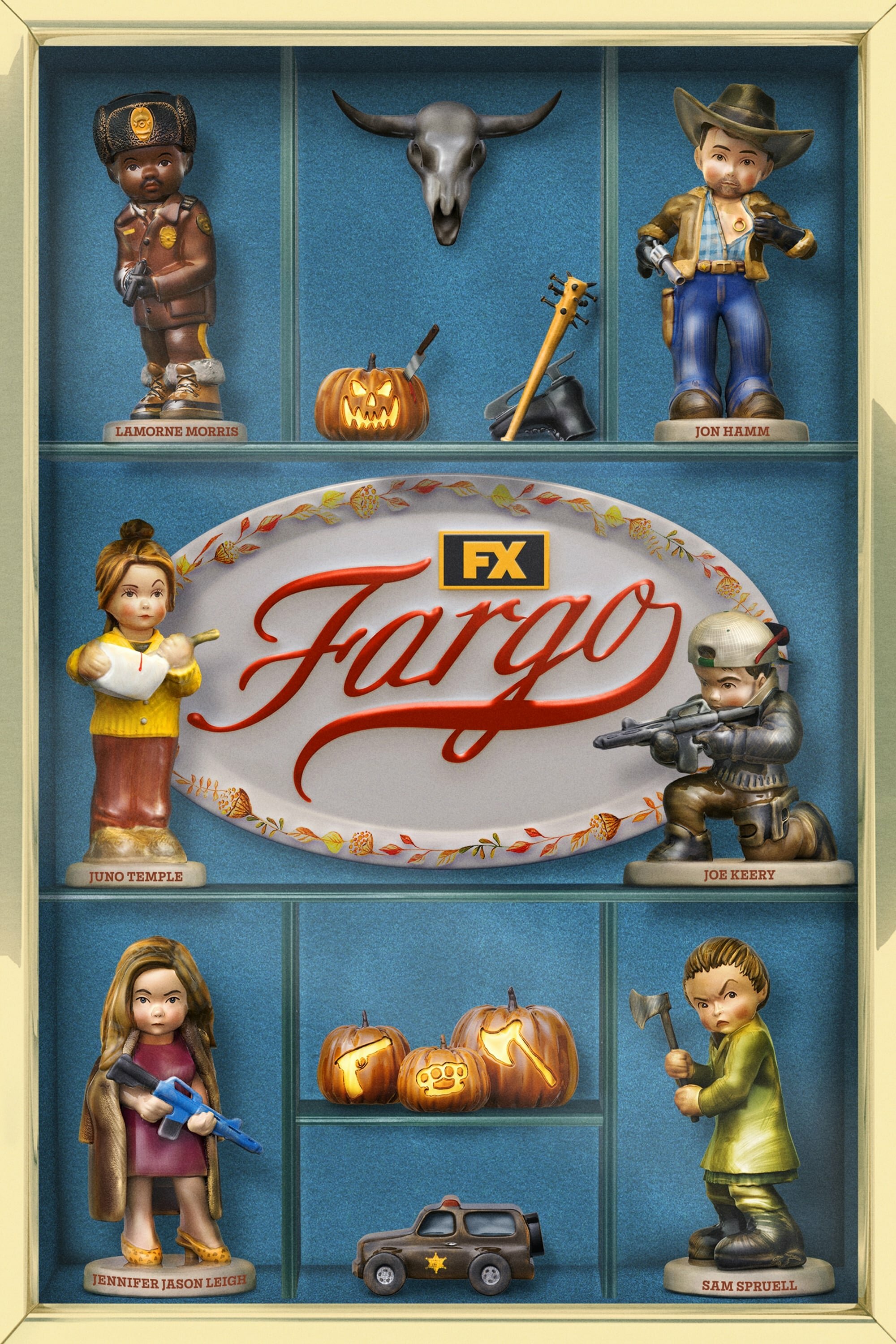
Billy Bob Thornton gives Malvo calm curiosity that makes violence feel like an experiment. Martin Freeman lets Lester's resentment and panic change his behaviour while Allison Tolman gives Molly patient, evidence-based intelligence. Kirsten Dunst and Jesse Plemons make Peggy and Ed's marriage funny, affectionate and increasingly trapped in season two. Ewan McGregor distinguishes the Stussy brothers beyond makeup, while Carrie Coon's Gloria Burgle remains attentive inside systems that seem not to register her. Chris Rock brings controlled ambition to Loy Cannon in the Kansas City story. Juno Temple gives Dot practical skill and competing identities, while Jon Hamm makes Sheriff Roy Tillman combine charm, entitlement and institutional power. The anthology allows familiar actors to enter a shared tone without copying earlier roles. Accents and politeness are part of the tension: a friendly sentence may be a warning, and an apparently slow investigator may simply be unwilling to ignore a detail.
Verified Jul 16, 2026
Coen influence without copying one movie
The series uses snow, wide landscapes, carefully centred frames, sudden violence and music to recall the Coens' work, but references extend beyond Fargo to No Country for Old Men, Raising Arizona, Miller's Crossing and other films. Different cinematographers and directors maintain a controlled visual world across changing decades. Split screens, chapter titles, narrators and occasional formal experiments vary by season. Jeff Russo's music develops a broad Fargo identity while using period and cultural material appropriate to each story. Production design clearly separates 1950, 1979, 2006 and later periods through vehicles, interiors, technology and clothing. Violence can interrupt a quiet frame without action-film preparation, preserving the show's dark comic shock. The best seasons use reference as a starting language rather than a substitute for character. Viewers do not need to recognise every borrowed image; immediate motives and evidence remain clear.
Verified Jul 16, 2026
The 'true story' claim and moral attention
Opening text says events are true and names have been changed, echoing the Coen film. The stories are fictional. The claim creates a folktale tone and invites viewers to think about who controls an account. Characters repeatedly tell simplified versions of themselves, while police work reconstructs less flattering cause and effect. Fargo often gives moral weight to attention: Molly, Lou, Gloria and other investigators notice ordinary details because victims and contradictions matter to them. Evil may appear philosophically confident, but confidence is not proof of depth. Some anthology experiments work better than others, and seasons differ in pace, cultural representation and the balance between crime history and domestic story. Viewers can rank seasons without treating one mixed response as failure of the whole format. Each new cast gives the programme a chance to ask whether decency can remain active rather than merely innocent.
Verified Jul 16, 2026
Standalone seasons and adult-content warning
Fargo is intended for adults. It contains graphic shootings, stabbing, beatings, bodies, strong language, sexual material, domestic abuse, kidnapping, racism, organised crime and harm involving children. Season five includes coercive control and domestic violence as major themes. Dark humour sits beside realistic pain and may be uncomfortable for some viewers. Episodes are generally around an hour, and each season requires roughly ten or eleven chapters depending on the year. Viewers may watch one season without committing to all, though release order gives the smoothest context. The 1996 film is optional and can be watched before the series for tone, not plot necessity. Do not present the stories as real cases despite the opening claim. Availability and whether a new season has been commissioned can change, so current status should be checked through official FX listings.
Verified Jul 16, 2026