In-depth guide
Ten seasons of connected lives and relationships
The pilot brings Rachel into Central Perk after she leaves her wedding and reconnects with school friend Monica. Ross is dealing with divorce, Chandler and Joey live across the hall, and Phoebe has built an independent life after a difficult childhood. Early seasons establish Rachel's move into work, Monica's career, Joey's acting, Chandler's office dissatisfaction, Phoebe's music and Ross's work in science. Romantic relationships within and outside the group create the strongest continuity, including the long-running Ross and Rachel story, Monica and Chandler's development, and later questions around marriage and children. Most episodes solve an immediate comic situation, but watching all 236 episodes in broadcast order preserves relationship timing and callbacks. Clip shows can be skipped by viewers who do not want repeated material, though they are part of original scheduling. The finale completes the group's central era without needing any later reunion programme.
Verified Jul 16, 2026
Six performers sharing setup and reaction
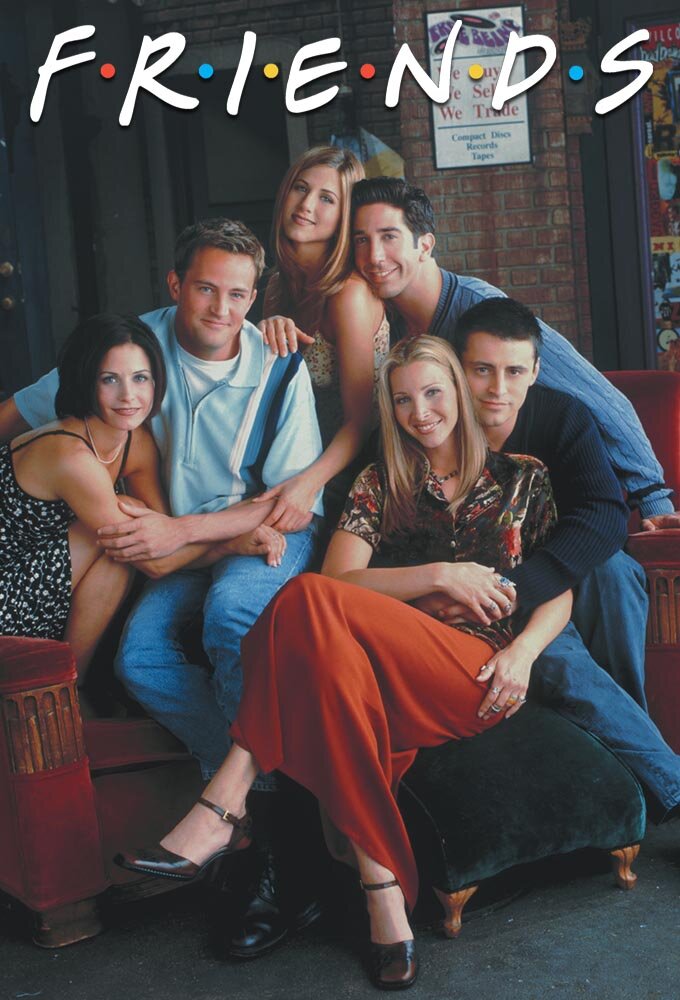
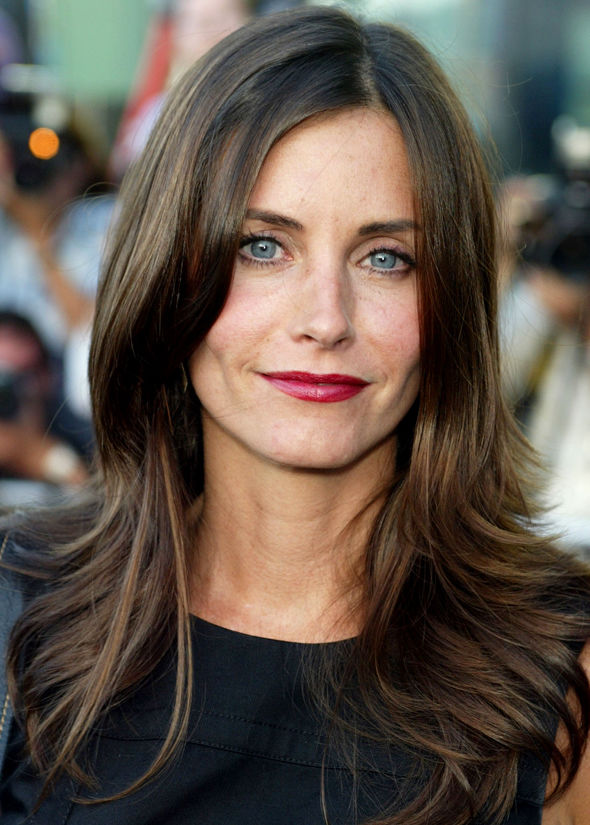
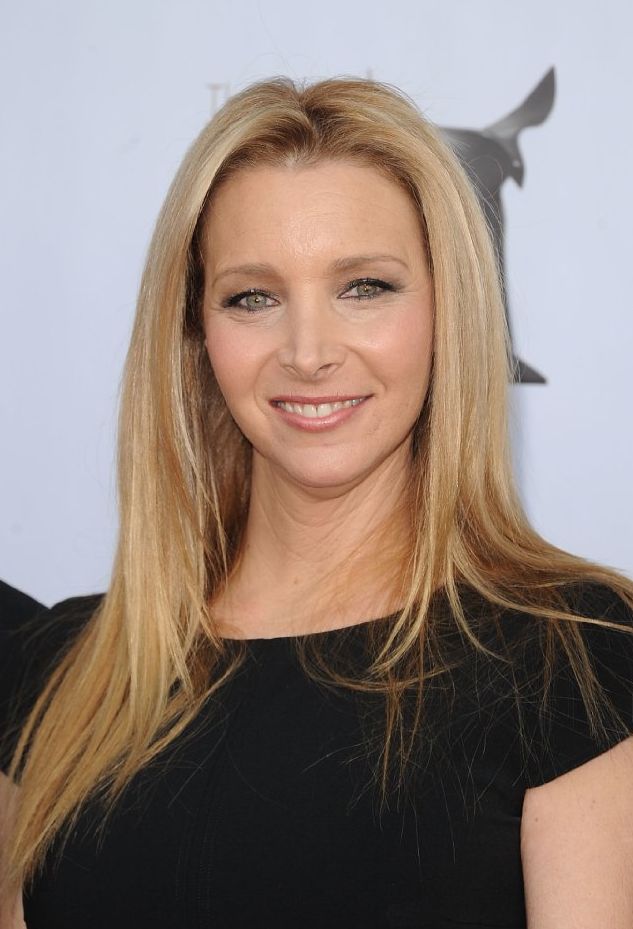
Jennifer Aniston gives Rachel comic timing that develops alongside professional confidence. Courteney Cox makes Monica's competitiveness physical and rapid while grounding the group's hospitality. Lisa Kudrow gives Phoebe a distinct logic that can be innocent, sharp or shaped by a past the other friends did not share. Matt LeBlanc makes Joey's simplicity warmest when loyalty becomes more important than understanding every detail. Matthew Perry's speed and emphasis turn Chandler's jokes into a defence against embarrassment and intimacy. David Schwimmer uses voice, posture and controlled escalation to make Ross's anxiety unusually physical. The series succeeds because roles can shift within one scene: the person creating chaos becomes the listener when another friend's problem arrives. Guest performers add romantic and family pressure, but the six-person rhythm remains the lasting attraction. Later seasons exaggerate some traits, a common long-running-sitcom effect, while major emotional scenes reconnect those traits with vulnerability.
Verified Jul 16, 2026
Multi-camera rhythm and familiar spaces
Friends was filmed primarily as a multi-camera sitcom in front of a studio audience, with sets arranged to support entrances, group staging and clear reactions. Central Perk, Monica's apartment and Joey and Chandler's apartment become readable spaces where viewers anticipate who can overhear or interrupt. Audience laughter is part of the original timing, though sweetening and production editing also shape the soundtrack. The theme by the Rembrandts and fountain title sequence quickly establish the ensemble. Costume and hairstyles helped define 1990s and early-2000s popular images, especially Rachel's early haircut, though the show's influence extends beyond fashion. Exterior New York images provide place while most interiors were produced in Los Angeles. Bottle episodes and limited-set stories often show the cast's timing most clearly because a small object or disagreement has to sustain the whole group. High-definition remasters can reveal more visual detail, but platform edits or changed music may differ from original broadcasts.
Verified Jul 16, 2026
Comfort viewing with real dated limitations
The group offers an appealing fantasy of dependable friendship and unusually available shared time. That comfort does not require ignoring jokes that now land differently. The series frequently uses fatness in Monica's past as humiliation, treats Chandler's transgender parent through inaccurate language and panic, and relies on gay anxiety as a measure of male embarrassment. New York is also much less racially diverse in the main cast than the real city. Some story lines challenge gender roles or show supportive same-sex parenting, but progressive moments and harmful jokes can coexist. Modern viewers can enjoy performance and emotional continuity while naming these limitations rather than claiming every criticism destroys the programme. Economic fantasy is another part of the appeal: apartments, coffee-shop time and unstable careers are made possible through explanations that do not reflect ordinary affordability. The sitcom builds an emotional New York more than a realistic financial one.
Verified Jul 16, 2026
Long commitment and family-content guidance
Friends has ten seasons and 236 episodes. It contains frequent sexual discussion, implied sex, occasional partial nudity, alcohol, infertility and pregnancy stories, divorce, mild language and jokes involving identity, bodies and stereotypes. Violence is mild and usually comic. It is generally suited to teenagers and adults, though families should decide based on comfort with sexual humour and dated prejudice. Episodes are roughly 22 minutes, making the long run easy to watch gradually. Friends: The Reunion is an unscripted retrospective released much later, not an eleventh season or continuation of the characters. The spin-off Joey follows one character afterward but is optional and has different availability. Watch the main series in broadcast order for relationship continuity. Clip episodes repeat earlier scenes, and viewers can skip them without losing major new plot, although small framing scenes may be omitted.
Verified Jul 16, 2026