In-depth guide
Standalone adventures inside a continuing multiverse
The pilot establishes that Rick has returned to Beth's family and regularly takes Morty away from school for dangerous travel. Many episodes begin with a science-fiction device or parody that reaches a local ending: a theme park inside a body, a television receiving other dimensions or a society built around one rule. Other episodes continue the Citadel of Ricks, Rick's history, Birdperson, Evil Morty and the family's movement between realities. Season finales and premieres often carry more continuity than a typical middle episode. Watch in release order because apparently disposable jokes can later become character history, but do not expect every cliffhanger to replace the comedy format permanently. The series has continued beyond the seasons originally available in many databases, so episode totals and platform catalogues can change. Official listings are more reliable than an old article. The title-role voice transition begins in season seven while the characters remain in the same continuity.
Verified Jul 16, 2026
A family reacting to one powerful person
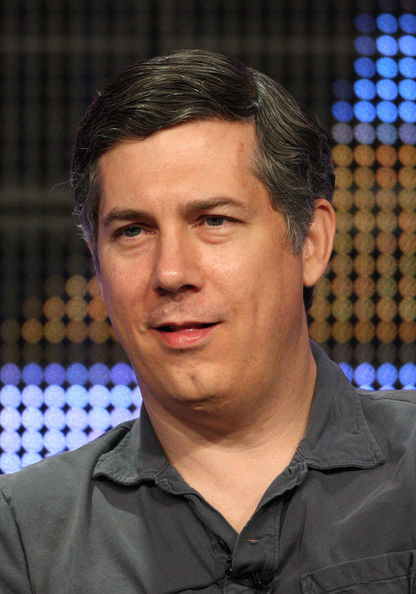
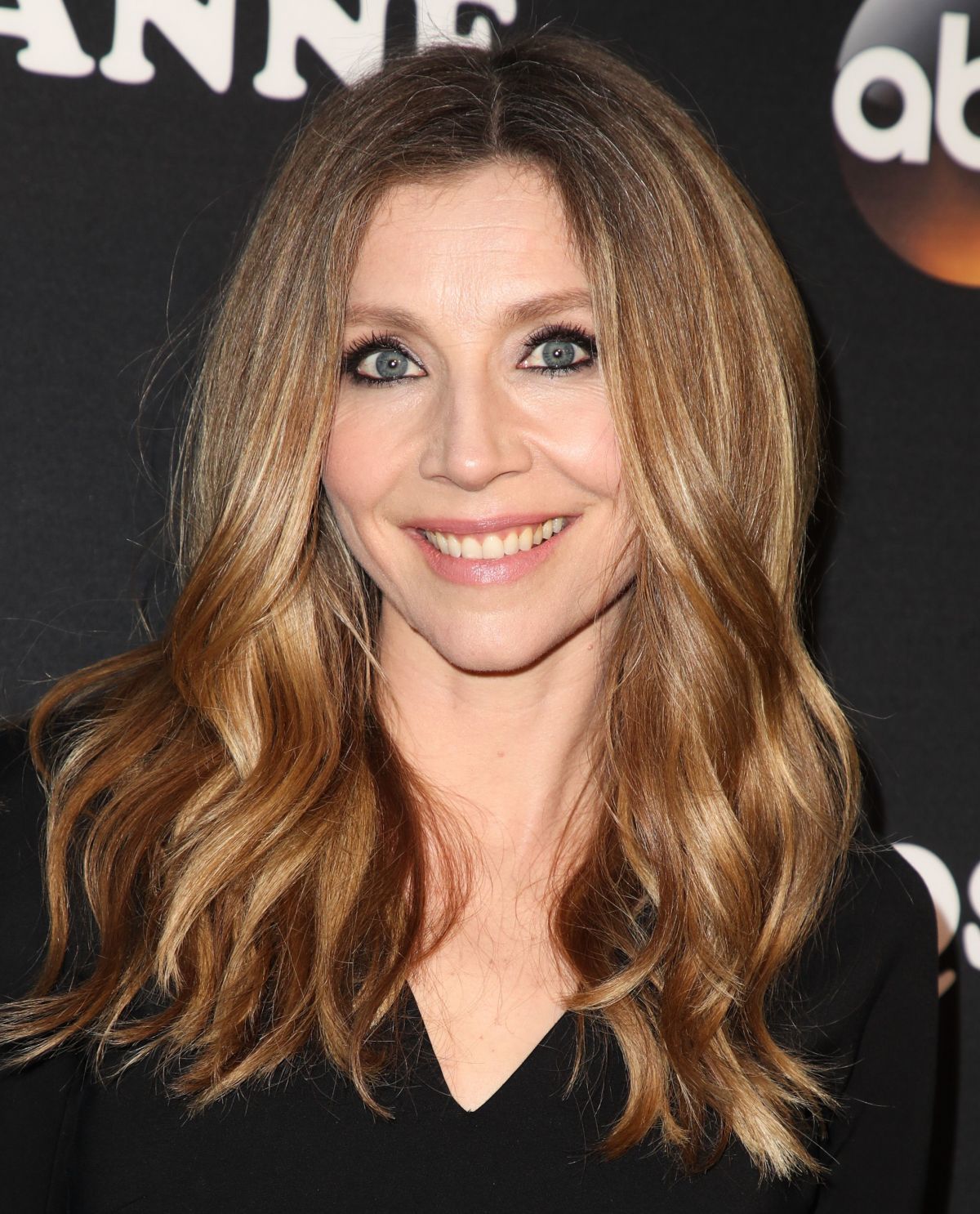
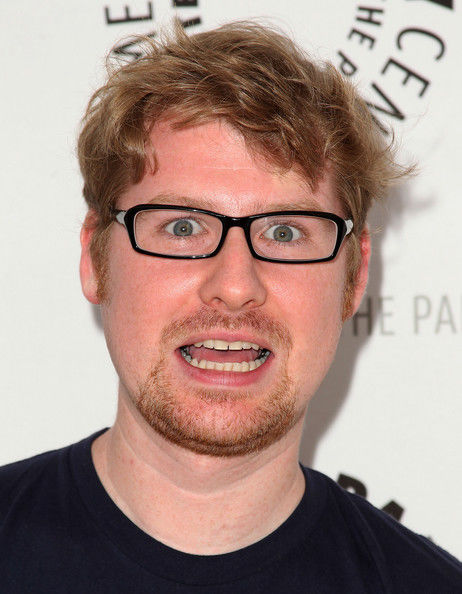
Rick's voice combines impatience, improvisation and sudden emotional avoidance, while Morty's speech turns uncertainty into an audible rhythm. Beginning in season seven, Ian Cardoni voices Rick and Harry Belden voices Morty after the production ended its relationship with Justin Roiland. Chris Parnell makes Jerry needy, defensive and occasionally more perceptive than Rick expects. Sarah Chalke gives Beth professional confidence mixed with unresolved need for her father's approval. Spencer Grammer lets Summer move from excluded older sibling to a capable participant whose willingness can worry Morty. Recurring performers expand alien and alternate characters, and guest casting often supports genre parody. The family ensemble is more important than exact imitation of one early vocal performance. Episodes work when an invention changes how these people relate, not only when Rick delivers a technical speech. Voice changes are production facts and do not create a new version of the story.
Verified Jul 16, 2026
Fast visual ideas and flexible genre parody
Animation lets the programme create planets, creatures and body transformations at a pace that live action would struggle to maintain. Designs often combine bright colour with deliberately unpleasant biological detail. Writers can begin from a recognisable film or television idea, then move toward a family argument that changes the parody's purpose. Ryan Elder's music supports both comic songs and unexpectedly serious closing scenes. Editing is rapid, especially when Rick explains invented science, but visual staging usually gives each episode one clear rule before escalating. Some episodes use anthology structures, fake television or repeated decoys, requiring viewers to accept uncertainty as part of the joke. The series' production history includes staff changes and public controversy, while many writers, directors, animators and voice performers contribute beyond its named creators. Discussion should credit that collective work instead of treating one person as the source of every successful episode.
Verified Jul 16, 2026
Nihilism is a defence, not the final answer
Rick is often correct that a universe contains countless versions of people and events. He is less reliable when he uses that fact to argue that nobody should expect care or accountability from him. His intelligence allows escape from many practical consequences, so emotional withdrawal becomes the area where power does not produce satisfaction. Morty sometimes adopts Rick's logic and discovers that certainty, revenge or unrestricted choice can hurt people he wanted to protect. Beth fears both abandonment and resemblance to her father. Jerry lacks Rick's competence but can still recognise forms of contempt that the family has normalised. The series is inconsistent by design and by long production: one episode may challenge Rick strongly while another enjoys his dominance. Viewers do not need one final philosophy to find value. The ongoing tension between cosmic insignificance and chosen attachment gives the comedy its emotional range.
Verified Jul 16, 2026
Strict adult-animation warning
Rick and Morty is not children's animation. It contains graphic cartoon violence, dismemberment, sex and sexual references, incest jokes, suicide, drug and alcohol abuse, strong language, body horror, child danger and emotionally abusive family behaviour. Some episodes include sexual violence themes or particularly disturbing versions of familiar characters. It is intended for adults, and parents should not rely on the colourful animation as an age signal. Episodes are usually around half an hour, making the series easy to sample, but continuity benefits from release order. Viewers sensitive to suicide should check episode warnings, especially around certain Rick-focused stories. The show remains ongoing, so this page's database season count should be treated as synced metadata rather than a permanent final total. Voice-cast controversy does not require starting again at season seven; the story continues directly.
Verified Jul 16, 2026