In-depth guide
Nine seasons at Dunder Mifflin Scranton
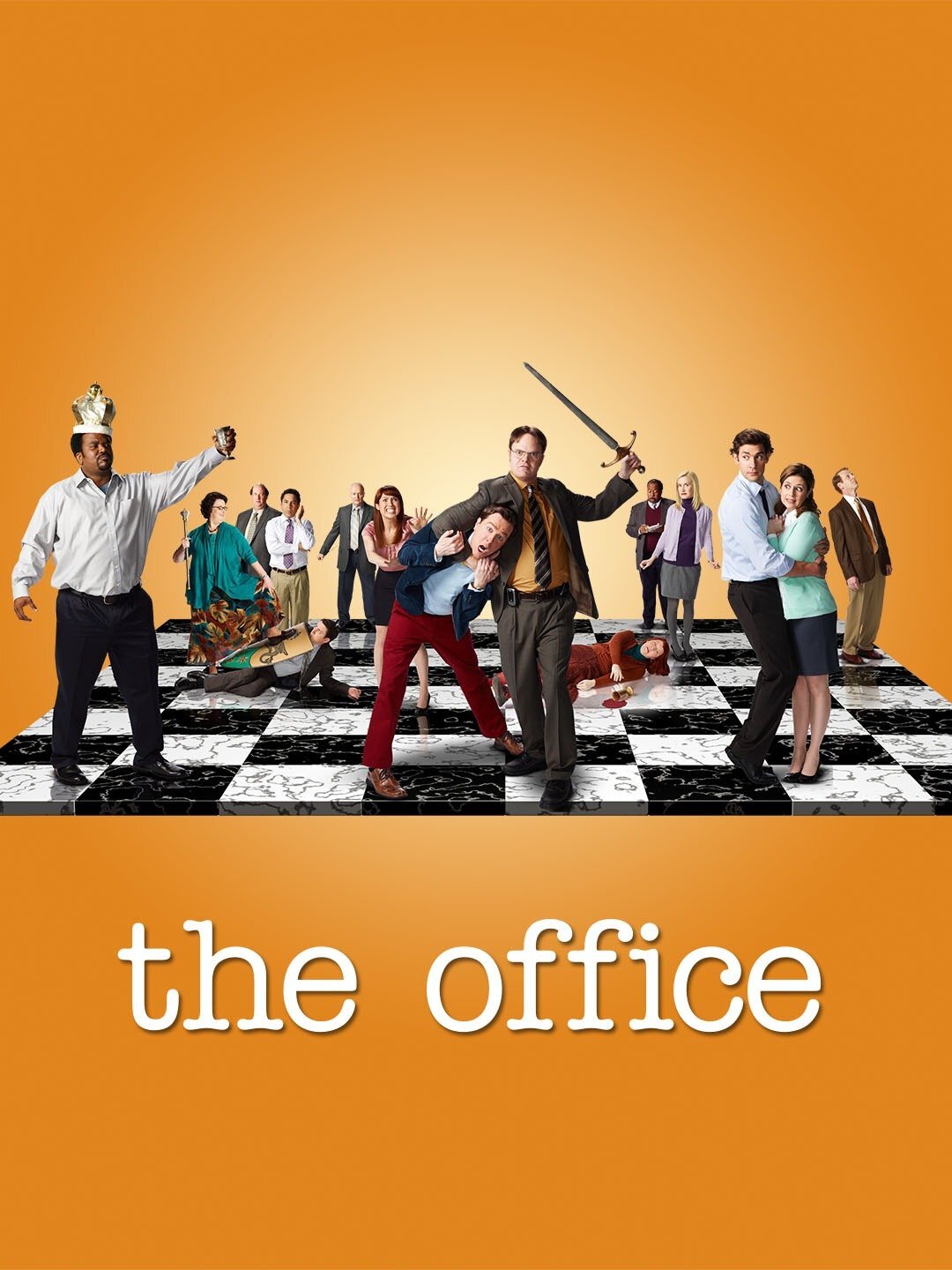
The first season introduces Michael's management, salesman Jim's feelings for receptionist Pam, Dwight's rivalry with Jim and the threat of downsizing. Season two broadens the supporting staff and gives the American version its own emotional tone. Company mergers, corporate leadership, relationships and new business plans change the office across later seasons without removing its familiar routines. Michael remains central through season seven, while seasons eight and nine redistribute attention among Andy, Dwight, Jim, Pam and new or returning managers. The final season brings the documentary itself into the story and completes long relationships. Watch all 201 episodes in broadcast order, but newcomers uncertain about the harsher six-episode first season can continue into season two before deciding. Extended Superfan cuts add deleted material to selected seasons and should be treated as an alternate rewatch, not a required replacement for the original broadcast sequence.
Verified Jul 16, 2026
An ensemble built from reaction and discomfort
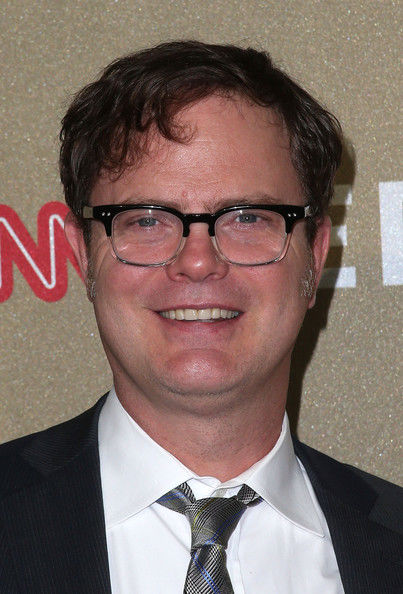
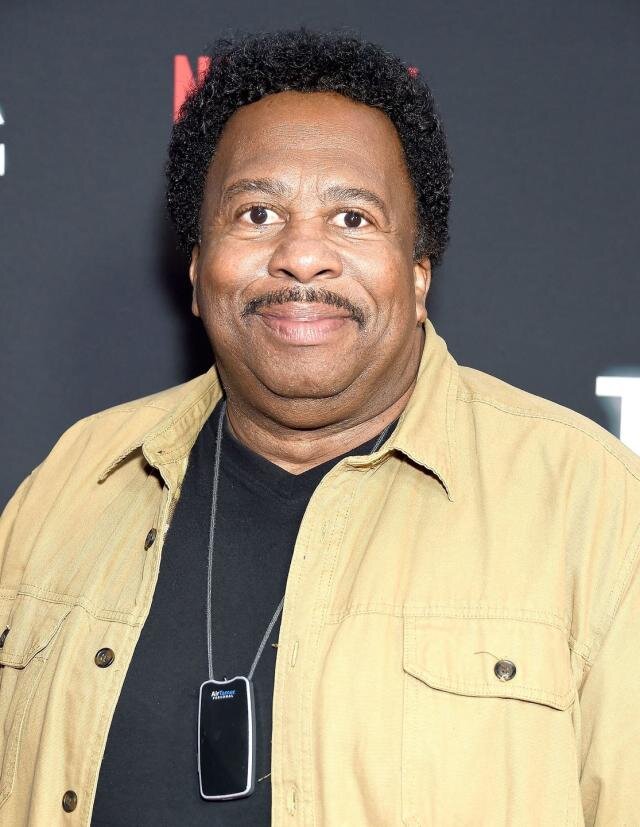
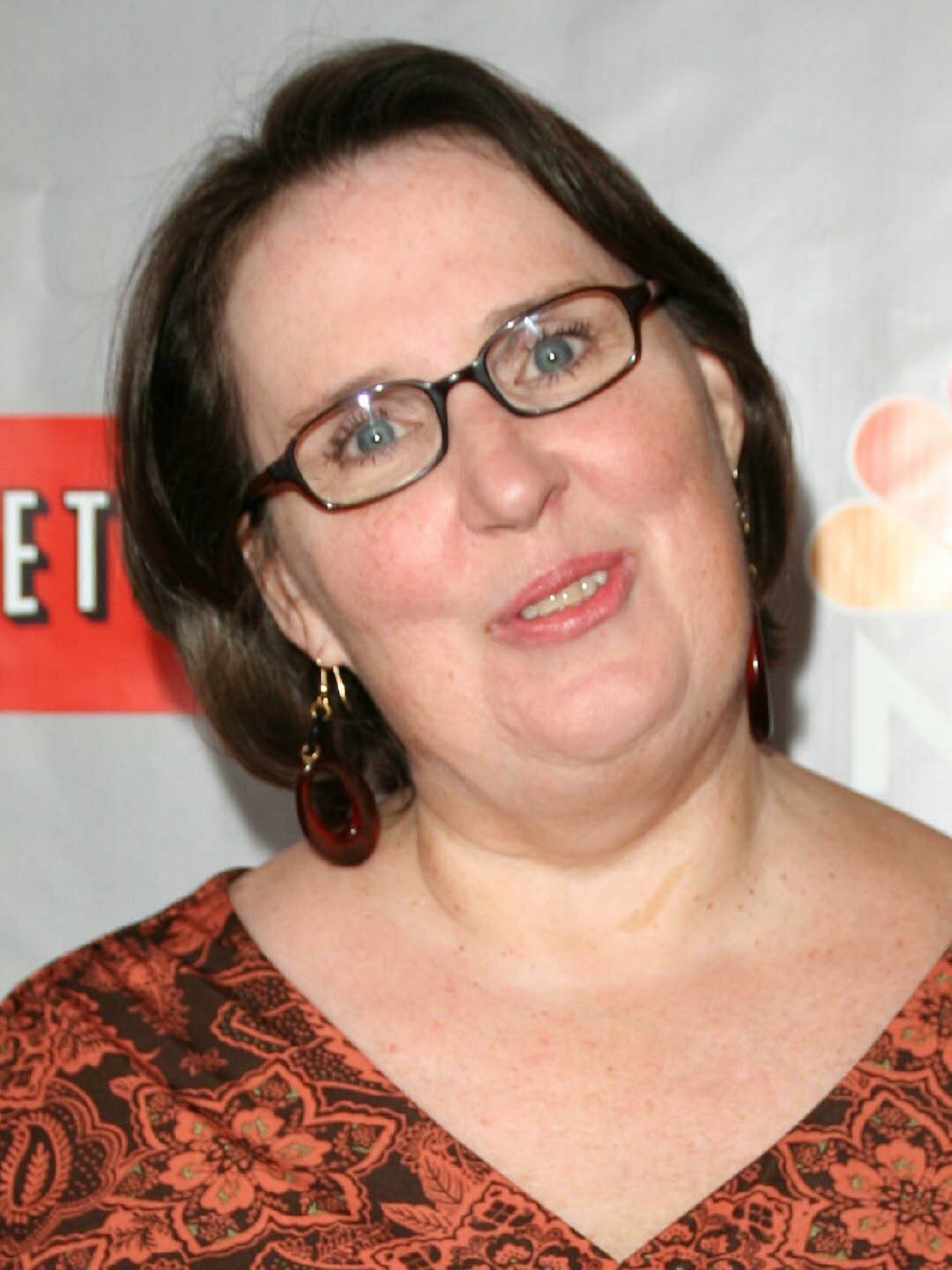
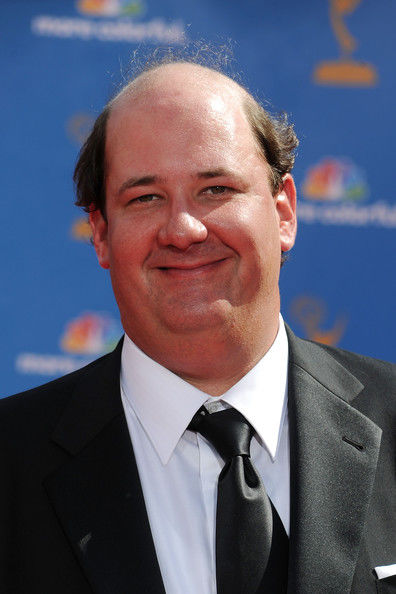
Steve Carell makes Michael needy, inappropriate and occasionally capable of real generosity. The performance grows beyond the more severe early version without pretending every workplace offence is harmless. Rainn Wilson gives Dwight total belief in systems of rank, survival and imagined authority. John Krasinski and Jenna Fischer make Jim and Pam's camera glances part of a shared language before their relationship changes. B. J. Novak gives Ryan ambition without stable substance, while Mindy Kaling makes Kelly's speed and self-involvement highly specific. Ed Helms gives Andy musical enthusiasm and insecurity, though later writing shifts his behaviour sharply. Angela Kinsey, Oscar Nuñez, Brian Baumgartner, Phyllis Smith, Creed Bratton, Leslie David Baker and Kate Flannery turn background desks into continuing comic lives. The mock-documentary style depends on reactions: a person listening silently can provide the scene's clearest judgement. The ensemble's familiarity is why even uneven later stories can retain comfort-viewing appeal.
Verified Jul 16, 2026
How the documentary style changes over time
Single-camera filming, zooms, imperfect reframing and talking-head interviews create the impression that a crew is discovering events rather than arranging them. Early episodes use office light, muted colour and uncomfortable silence, while later seasons become brighter and more conventionally polished without abandoning interviews. The Scranton set develops recognisable geography, allowing a joke to begin through someone watching from another desk. Editors use camera glances as punctuation and can cut from a public claim to a private correction. The opening theme by Jay Ferguson and footage of Scranton establish place quickly. Music often comes from office parties, phones or characters performing, making awkward participation part of the comedy. The documentary crew's practical limits are flexible and occasionally inconsistent, but the final season acknowledges their presence more directly. The show's modest visual setting is a strength: changes to one desk, branch or manager feel important because viewers know the normal arrangement.
Verified Jul 16, 2026
Why affection does not erase workplace harm
The series invites affection for employees while repeatedly showing bad management, harassment, racism, sexism and unequal power. Michael's ignorance often creates the joke, but employees cannot simply leave every meeting because he controls schedules and evaluations. Later warmth can make viewers forget how severe some early behaviour is. A useful rewatch holds both facts: Carell gives Michael emotional depth, and real workers should not have to accept similar conduct. Jim's pranks are funny through shared perspective but sometimes target Dwight beyond reasonable workplace teasing. Romantic arcs also shift how ambition is judged, especially when one partner wants change and another values stability. The programme's optimistic claim is not that Dunder Mifflin becomes an ideal company. It is that people can create friendship, love and identity inside an ordinary institution while eventually recognising when a role no longer fits. The finale values attention to everyday life rather than corporate achievement.
Verified Jul 16, 2026
Episode commitment and dated humour
The Office has nine seasons and 201 broadcast episodes. Content includes sexual jokes, workplace harassment, alcohol, drug references, racist and homophobic comments, mental-health jokes, occasional strong language and comic physical danger. Violence is mild, but some humiliation and prejudice have aged poorly. It is generally more suitable for teenagers and adults than young children. Parents may need to explain that a character's offensive statement is not safe workplace behaviour simply because other characters react comically. Episodes are usually around 20 minutes, with some longer instalments, making the show easy to watch gradually. The British Office is a separate original version with different characters and a much shorter run. Start the U.S. series at season one for full context; if the tone feels too harsh, season two is more representative of its long-term balance. Availability of extended cuts varies by region.
Verified Jul 16, 2026