In-depth guide
Six seasons across home, therapy and organised crime
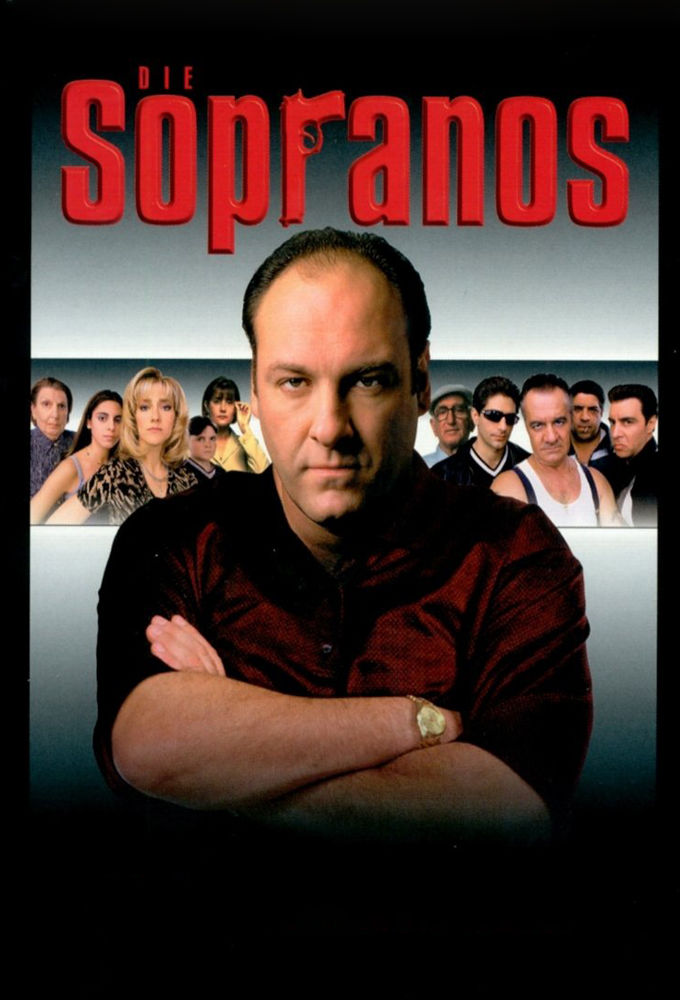
The pilot introduces Tony's panic attacks, tension with his mother Livia, conflicts inside his criminal organisation and concern about what his children understand. Dr Melfi treats him without initially knowing every detail, then faces the ethical and personal consequences of continuing. Across six seasons, Tony manages disputes involving Uncle Junior, nephew Christopher Moltisanti, captains and New York families while his wife Carmela questions the source and moral cost of their life. Meadow and AJ grow from children into young adults who respond differently to family privilege. The sixth season was released in two parts and is sometimes listed as seasons six and seven by platforms, but it is one official season of 21 episodes. Watch all 86 episodes in broadcast order. The prequel film The Many Saints of Newark was released later and should follow the series because its framing and character identities assume knowledge of the television story.
Verified Jul 16, 2026
Gandolfini and Falco make contradiction continuous
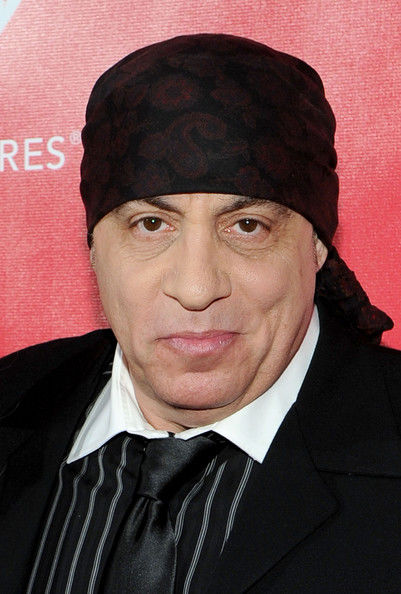
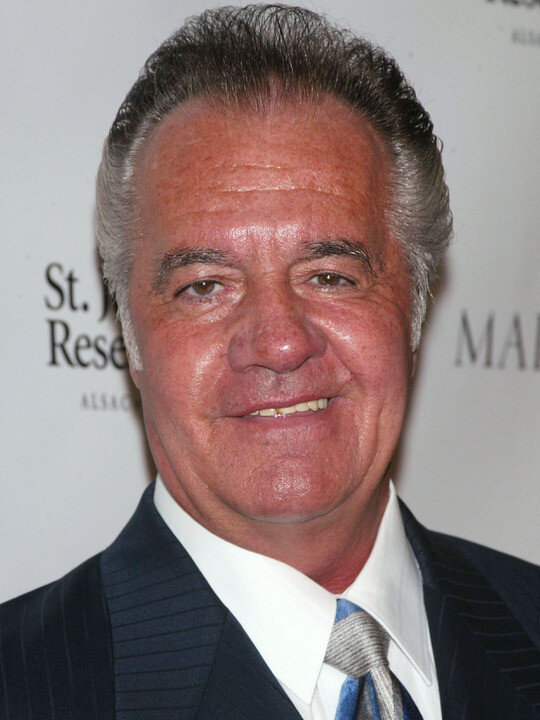
James Gandolfini gives Tony warmth, humour, appetite, fear and brutality without asking the audience to combine them into innocence. Small changes in breathing and attention can turn a domestic conversation into threat. Edie Falco makes Carmela loving, perceptive and actively involved in maintaining a life whose source she understands. Lorraine Bracco gives Melfi professional curiosity and growing concern about whether treatment helps Tony change or simply function more effectively. Michael Imperioli makes Christopher ambitious, insecure and vulnerable to addiction while seeking a father figure in the man who controls him. Nancy Marchand's Livia turns complaint and helplessness into forms of power. Dominic Chianese gives Junior pride and eventual fragility, while Steven Van Zandt and Tony Sirico create distinct versions of loyalty as Silvio and Paulie. The ensemble makes tonal movement possible: a scene can be funny because people know one another well, then become frightening because the same intimacy reveals a weakness.
Verified Jul 16, 2026
New Jersey spaces, music and dream logic
Location work in homes, restaurants, strip clubs, offices and roads gives the series a suburban geography different from a romanticised old-city mob world. The Soprano house displays comfort and emotional distance, while the Bada Bing and pork store provide repeated workplaces where criminal business enters routine conversation. Directors and cinematographers shift visual style across years without losing the grounded environment. Music is selected from rock, soul, pop, opera and other traditions, often ending episodes with an unresolved emotional association rather than a summary. The opening drive connects Tony's movement from New York toward New Jersey with identity and territory. Dream episodes use altered spaces and unexpected dialogue to represent fear, memory and intuition without providing a code in which every object has one answer. Editing allows long family meals, therapy sessions and silent reactions to matter as much as criminal action. The series helped expand expectations for patient, morally difficult television drama.
Verified Jul 16, 2026
Understanding Tony is not the same as excusing him
Therapy invites the audience to search for causes: Livia's behaviour, family history, inherited crime and panic all matter. Yet the series repeatedly gives Tony moments where he recognises harm and chooses power or comfort anyway. Psychological explanation therefore increases responsibility instead of erasing it. Viewers can be drawn to Gandolfini's humour and vulnerability while noticing how charisma shifts attention away from victims. Carmela faces a related moral conflict. She seeks spiritual and professional permission to keep wealth without accepting its source, then sometimes sees the answer more clearly than Tony does. Christopher's artistic ambition and addiction reveal how the organisation absorbs alternative futures. The final scene refuses a conventional moral accounting delivered as spectacle. Its form asks viewers to examine attention, expectation and the ordinary life surrounding constant danger. Ending debate is worthwhile, but reducing six seasons to one theory misses the accumulated study of habits that precedes it.
Verified Jul 16, 2026
Adult content, season listings and ending spoilers
The Sopranos contains graphic murder, beatings, suicide, domestic abuse, sexual content, nudity, sex work, addiction, strong language, racist and homophobic speech, animal harm and sustained organised crime. It is strictly for adults. Several stories involve sexual assault, self-harm and violence within families, so episode-level warnings may be necessary. There are 86 episodes. Platforms may label the final 21 as season six parts one and two or as separate seasons, but broadcast order remains clear. Avoid searching for final-scene explanations or character lists before watching because many common discussions reveal deaths. The Many Saints of Newark is optional and belongs after the series. The pacing mixes eventful crime episodes with therapy, dreams and domestic routines; viewers expecting constant action may need time to adjust. Availability changes by region, and ratings should be checked through official listings.
Verified Jul 16, 2026