In-depth guide
How the five-season anthology works
The original series contains five seasons and more than 150 episodes. Seasons one, two, three and five usually use a half-hour broadcast slot, while season four shifts to hour-long episodes. Stories generally stand alone, so release order is optional rather than required. A new viewer can begin with well-known entries such as Time Enough at Last, The Monsters Are Due on Maple Street, The Eye of the Beholder, The After Hours or Nightmare at 20,000 Feet, then explore by theme. Watching chronologically gives a better sense of how production methods, recurring performers and Serling's concerns developed. Some episode titles themselves hint at endings, so avoid detailed summaries when possible. Later television revivals from 1985, 2002 and 2019 are separate versions inspired by the original format. They are not seasons six onward and can be approached after or independently from Serling's programme.
Verified Jul 16, 2026
A different cast with one continuing guide
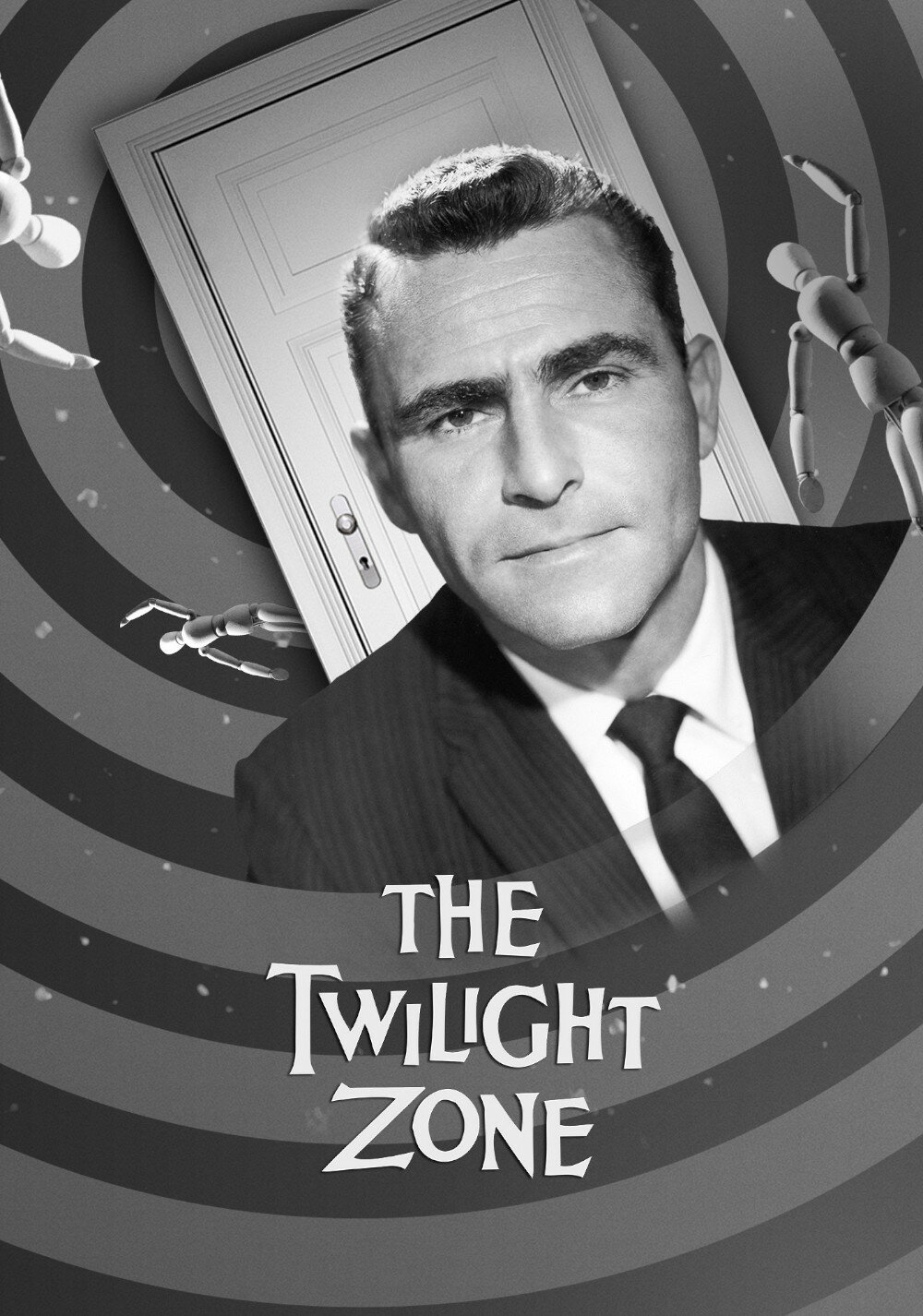
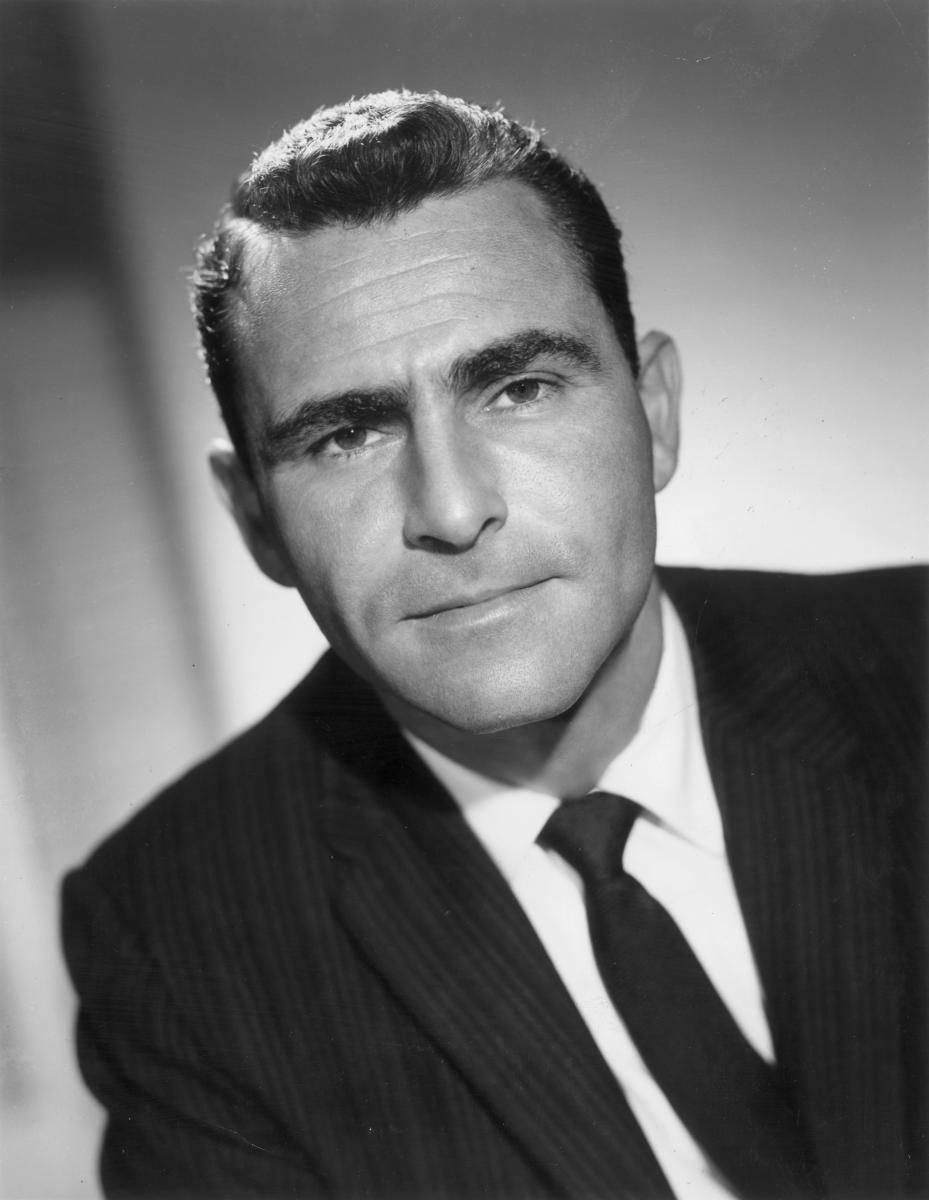
Rod Serling appears as host and narrator, establishing premise and tone without usually participating in the plot. His precise delivery can be welcoming, ironic or severe, and the closing narration often changes how the preceding choice is understood. The anthology attracted established actors and performers early in their careers, including Burgess Meredith, William Shatner, Agnes Moorehead, Jack Klugman, Anne Francis, Robert Redford and many others. Because most characters exist for one episode, performances must establish an ordinary need quickly: privacy, recognition, safety, youth or escape. Recurring actors do not normally play the same person, which can surprise viewers used to shared-universe television. The format allows one week to be comic and the next deeply frightening. Strong episodes avoid treating characters only as pieces needed for a twist. The ending works because the audience first understands what a person wanted and which warning they refused to recognise.
Verified Jul 16, 2026
What black-and-white television adds to the atmosphere
The programme uses black-and-white photography, studio sets, backlots, practical effects, miniatures and existing production resources to create many worlds on a television schedule. Limited budgets often encouraged suggestion: an empty street, repeated face, changing bandage or simple doorway can become more unsettling than a large creature. Music includes original scores and library cues from composers including Bernard Herrmann and Jerry Goldsmith. The familiar opening titles changed during the run, so viewers may encounter more than one visual and musical introduction. Season two includes a small group of episodes recorded on videotape as a cost-saving experiment; their visual texture differs noticeably from filmed episodes. Season four's longer slot changes pacing and does not suit every premise equally. These variations are part of the series history rather than restoration errors. Good transfers preserve film detail, but official availability and aspect presentation can differ by region and service.
Verified Jul 16, 2026
Social criticism protected by genre
Serling came to fantasy partly because direct television dramas about racism, war and institutional power often faced sponsor and network resistance. Moving an argument to another planet or strange town could make criticism easier to broadcast. The Monsters Are Due on Maple Street needs no real invading army to show how suspicion can destroy a community. The Eye of the Beholder makes beauty standards physically strange before revealing who holds social power. Other episodes explore antisemitism, totalitarianism, capital punishment, nostalgia and nuclear destruction. Not every story has aged equally well; some gender roles, portrayals and moral conclusions reflect limitations of early-1960s American television. That makes context useful rather than requiring viewers to dismiss the whole series. Anthology form invites comparison: similar fears may receive different answers in different episodes. The strongest viewing asks what social behaviour the speculative device makes visible, not only whether the final surprise was guessed.
Verified Jul 16, 2026
Family viewing and choosing a starting episode
Many episodes are suitable for older children and families, but content varies widely. The series includes death, war, nuclear destruction, monsters, dolls, plane danger, mental distress, execution themes and frightening transformations. Graphic violence is limited by its era, yet atmosphere and cruel endings can strongly affect sensitive viewers. Parents should check individual episode descriptions rather than relying on one age recommendation for the entire anthology. A child interested in moral stories may enjoy episodes centred on wishes or community, while Nightmare at 20,000 Feet, Living Doll or The Masks may be too intense. Episodes can be watched one at a time without commitment to a long serial plot, making discussion easy. The original broadcast aspect ratio should normally remain close to its intended square frame; cropped widescreen presentations can remove image information. Later remakes may have stronger content and should be assessed separately.
Verified Jul 16, 2026