In-depth guide
What each season adds to Baltimore
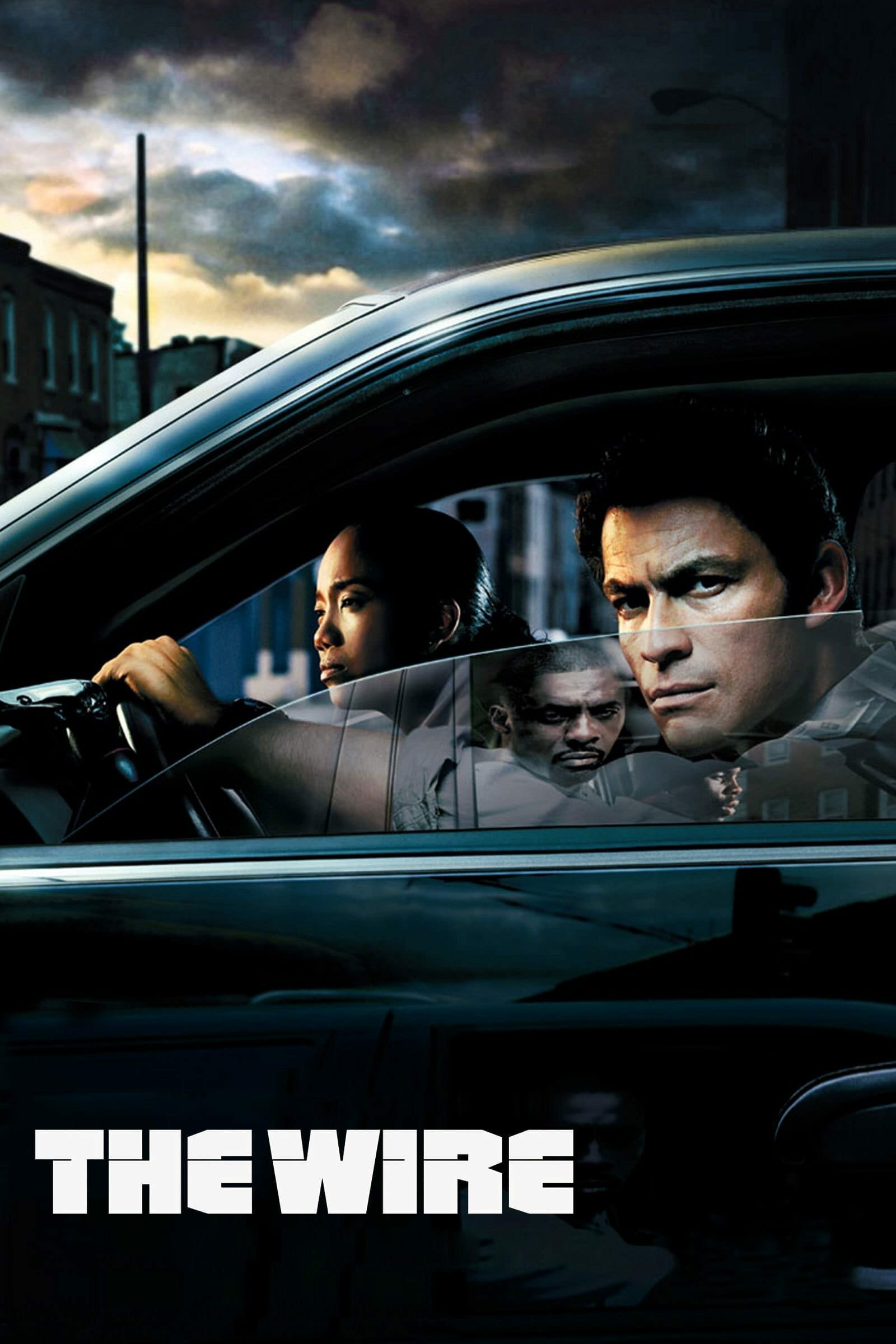
Season one follows a detail investigating Avon Barksdale and Stringer Bell while introducing detectives, prosecutors, dealers and people living around the towers. Season two shifts major attention to the port and the Sobotka family, a change that can surprise viewers but becomes essential to the series' view of work and economic decline. Season three returns strongly to city drug policy and political ambition. Season four places schools and a group of young teenagers near the centre, showing how institutions encounter children before adult outcomes become fixed. Season five examines journalism alongside the continuing police and political stories. Characters and consequences cross all five years, so watch in broadcast order and do not skip season two. The programme offers few recaps and may introduce a person through workplace context rather than biography. Following the immediate investigation is enough at first; institutional connections become clearer as familiar names reappear.
Verified Jul 16, 2026
An ensemble without one moral centre
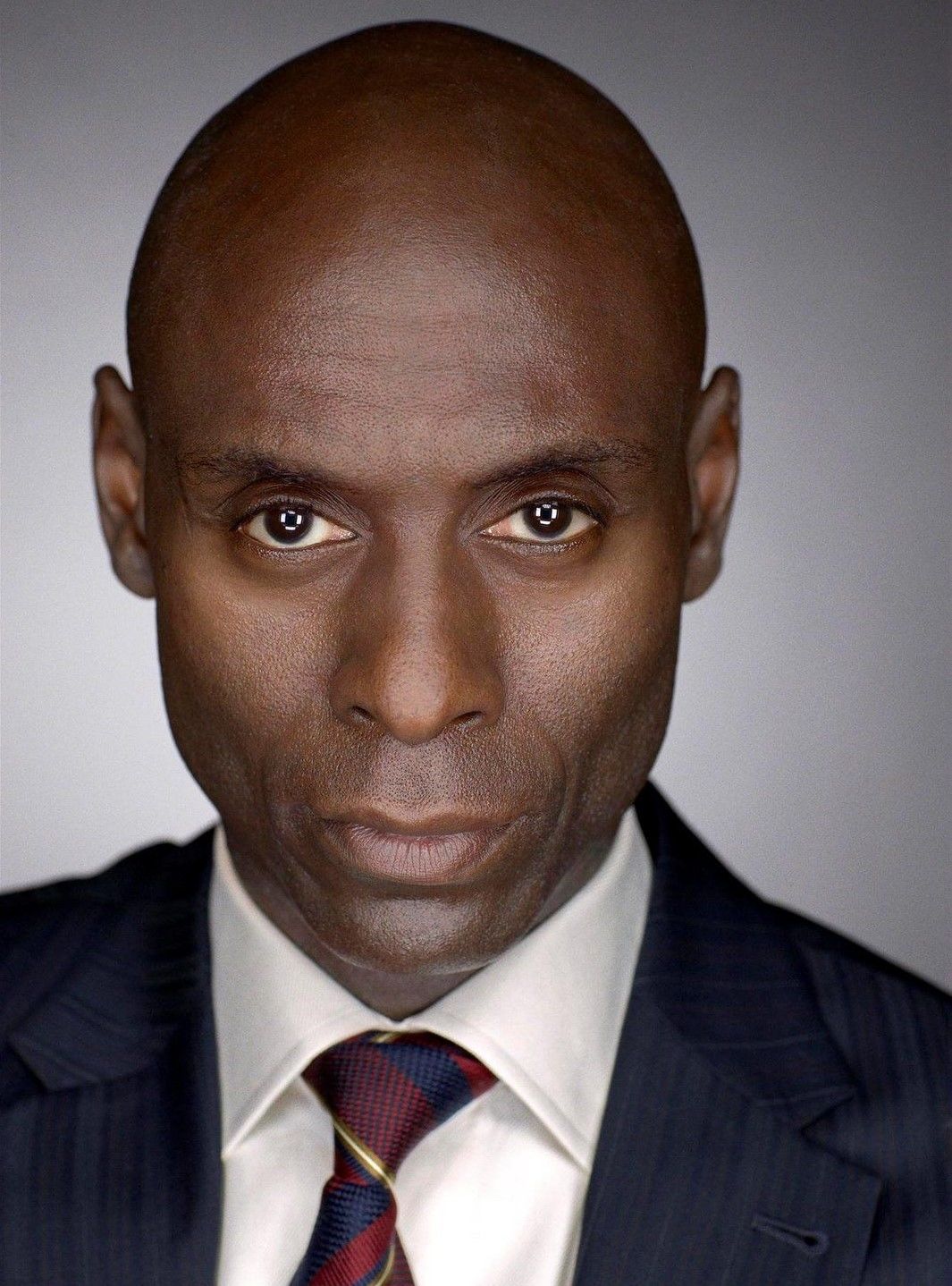
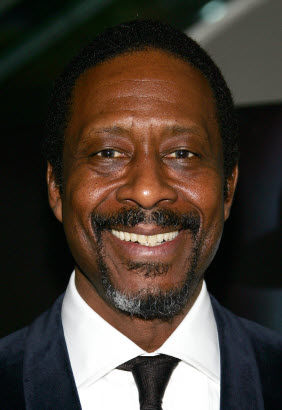
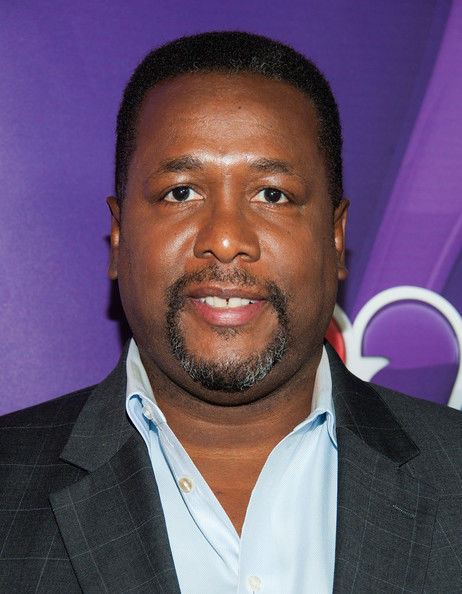
Dominic West gives Jimmy McNulty ability, vanity and destructive impatience, preventing investigative talent from becoming automatic heroism. Wendell Pierce makes Bunk Moreland funny, skilled and aware of professional lines McNulty crosses. Sonja Sohn's Kima Greggs and Clarke Peters's Lester Freamon show different forms of patient police work, while Lance Reddick gives Cedric Daniels ambition constrained by command politics. Idris Elba makes Stringer Bell analytical and eager to translate street power into legitimate business. Wood Harris gives Avon a clearer understanding of the social rules that created his authority. Michael K. Williams makes Omar Little observant, principled within his own code and dangerous without romanticising every consequence. Andre Royo gives Bubbles humour, intelligence and painful vulnerability. Later young performers create some of the series' most affecting work. The cast makes institutions visible through behaviour: who speaks in a meeting, who waits, who writes the number and who receives blame.
Verified Jul 16, 2026
Why the realistic style still involves strong craft
Location photography gives Baltimore neighbourhoods, offices, schools, docks and city buildings specific geography. The camera generally avoids flashy displays, allowing group conversations and procedural work to develop in readable space. Editors trust viewers to connect wiretap language, street observation and internal politics without a constant explanatory voice. Each season uses a different recording of Way Down in the Hole for its opening, reflecting a changing institutional focus within one city. Music is usually heard from cars, bars or rooms rather than placed heavily over action. Season-ending montages are an important exception, gathering consequences across the ensemble. Dialogue uses professional and local vocabulary, but meaning becomes clear through repetition and action; subtitles can help without replacing attention. The famous crime-scene sequence built mostly around one repeated word is highly constructed, demonstrating how performance, camera position and editing can explain reasoning without conventional exposition. Realism here is an artistic method, not raw observation.
Verified Jul 16, 2026
Systems are powerful without making people irrelevant
The Wire is sometimes described as saying institutions determine everything. Its view is more complicated. Incentives make certain outcomes likely, but individual choices still affect who is protected, harmed or given another chance. A teacher, officer, dealer or editor may create temporary space for someone else even when the larger system remains unchanged. The tragedy is that good local work often lacks structural support, while harmful routines have budgets, measures and career logic behind them. The programme also asks who gets represented. Its police and drug stories receive praise, yet viewers should examine gender, the relative interior life given to different communities and the risks of treating one drama as a complete account of Baltimore. David Simon's reporting background informs the work but does not make it neutral sociology. Pairing the series with local journalists, historians and Baltimore voices produces a fuller understanding than repeating its dialogue as documentary fact.
Verified Jul 16, 2026
Commitment, pace and adult content
The Wire has 60 episodes across five seasons and must be watched in order. Its pace is deliberately patient; the first episodes establish people and systems before providing conventional payoff. It contains strong language, drug dealing and use, shootings, murder, sexual material, nudity, child endangerment, domestic harm, corruption and sustained addiction. Season four places children near violence and institutional failure, making it especially distressing. The series is intended for adults and is not suitable for young viewers. Those sensitive to addiction may find Bubbles's story difficult, while harm involving teenagers is central later. There is no required sequel, though the same creators made other unrelated civic dramas. Availability changes by region. A short break between seasons can help because each introduces a new institution, but long gaps within a season make names and investigation details harder to retain.
Verified Jul 16, 2026