On Sunday morning, two friends from Ghaziabad, Uttar Pradesh, Brijesh Kumar Tripathi and Sachin Tyagi, tragically drowned in the sacred Ganga River at Dudhiya Band in Haridwar, Uttarakhand. The incident occurred while the men were bathing during a pilgrimage with their families, highlighting the persistent dangers associated with natural water bodies, even in revered spiritual locations.
Key points
- Two residents of Ghaziabad, Brijesh Kumar Tripathi (42) and Sachin Tyagi (35), lost their lives in the Ganga River.
- The tragedy unfolded at Dudhiya Band, a bathing area within the Haridwar city police station's jurisdiction.
- Tripathi reportedly slipped into the river and was carried away by strong currents; Tyagi drowned while attempting to rescue his friend.
- Emergency response teams, including police divers and the State Disaster Response Force (SDRF), were swiftly deployed and recovered both bodies within a few hours.
- Authorities noted that drowning incidents are frequently reported in Haridwar, particularly in areas known for unsafe riverbanks, despite the presence of warning signage.
- The incident occurred on the same day that two other bodies were recovered from the Chilla canal in Rishikesh, pointing to a broader issue of water safety in the region.
What we know so far
Brijesh Kumar Tripathi, a 42-year-old professional working in the technology sector, and Sachin Tyagi, a 35-year-old who owned a garment business, had traveled from Ghaziabad to Haridwar with their respective families for a pilgrimage. The tragic event took place at Dudhiya Band, an area located within the Haridwar city police station's operational zone, while the friends were participating in a customary holy dip in the Ganga River.
According to SHO Kundan Singh Rana, who provided details on the incident, Brijesh Kumar Tripathi suddenly lost his footing while bathing and was quickly swept away by the river's powerful currents. Witnessing his friend in distress, Sachin Tyagi bravely jumped into the water in an attempt to save him. Tragically, Tyagi also succumbed to the river's force and drowned. Following the alarm, rescue operations were immediately launched. Teams comprising local police divers and personnel from the State Disaster Response Force (SDRF) worked efficiently, managing to recover both bodies from the river within a few hours of the incident.
Context and background
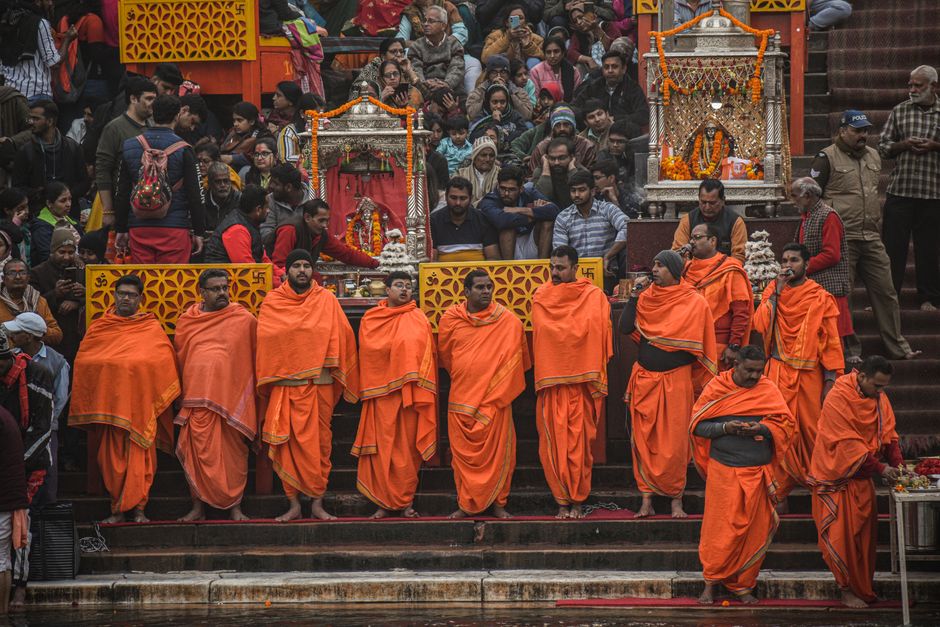
Haridwar, nestled at the foothills of the Himalayas, holds profound spiritual significance for millions of Hindus worldwide. It is revered as one of the seven holiest places in India, serving as a vital pilgrimage site and the gateway to the Char Dham Yatra. Devotees flock here annually, especially during major festivals like the Kumbh Mela and the daily Ganga Aarti, to bathe in the sacred waters of the Ganga, believing it cleanses sins and offers salvation. This spiritual allure often leads pilgrims to enter the river with a deep sense of faith, sometimes underestimating its inherent dangers.
Despite its divine status, the Ganga River in Haridwar can be unexpectedly treacherous. The river's flow, particularly in upstream sections and during specific seasons like the monsoon, can be swift, unpredictable, and powerful. Areas such as Dudhiya Band, where this incident occurred, and the Saptrishi area, are particularly known for their strong undercurrents, varying depths, and often uneven or slippery riverbeds. These conditions pose significant hazards, even for experienced swimmers, and even more so for those unfamiliar with river swimming or lacking strong aquatic skills.
Local authorities, including the police, are acutely aware of these risks. They have frequently installed warning boards and signage in identified hazardous zones, advising pilgrims against venturing into deeper waters or unsupervised sections of the river. These warnings are crucial attempts to mitigate the dangers. However, drowning incidents remain a persistent and tragic concern. Factors contributing to these fatalities often include pilgrims underestimating the river's might, a lack of swimming proficiency, or the inherent human instinct to attempt a rescue without adequate safety equipment or training, as tragically seen in Sachin Tyagi's heroic but fatal effort.
The police have specifically highlighted the Saptrishi area as a location where riverbanks are considered unsafe and where drowning cases are commonly reported. This recurring pattern underscores a systemic challenge in effectively ensuring pilgrim safety, despite existing preventative measures. The incident involving Tripathi and Tyagi is not an isolated one, but rather a somber reminder of this ongoing issue. Disturbingly, on the very same day, SDRF divers in nearby Rishikesh recovered two other bodies from the Chilla canal. One victim was identified as Ayush (26) from Bihar, who reportedly drowned while attempting to take a selfie, while the other was Anil Bahuguna, a Rishikesh resident who had drowned earlier. These separate events collectively underscore a broader, regional challenge concerning water safety and the critical need for enhanced public awareness campaigns and strict adherence to safety protocols around natural water bodies, particularly at popular pilgrimage destinations.
The State Disaster Response Force (SDRF) plays an indispensable role in such emergencies. Comprising highly trained personnel, the SDRF is equipped for complex search and rescue operations in challenging environments, including fast-flowing rivers. Their rapid deployment and specialized skills are often crucial for the timely recovery of victims, though ultimately, prevention through awareness and caution remains the most effective strategy.
What happens next
Local police authorities are expected to continue their investigation into the precise circumstances surrounding the drowning of Brijesh Kumar Tripathi and Sachin Tyagi. This is a standard procedure following any fatality to ascertain all relevant facts. Following their recovery, arrangements will be made for the bodies to be released to their respective families in Ghaziabad for final rites, a process that can often involve necessary legal and administrative steps.
In light of this incident and the recurring nature of drowning cases in the area, authorities may consider reviewing and potentially reinforcing existing safety measures and warning systems at key bathing ghats and vulnerable points along the Ganga in Haridwar. While specific new initiatives have not been confirmed, there is often an increased focus on public safety after such tragedies. Efforts to reinforce public awareness campaigns regarding river safety, particularly targeting pilgrims visiting sacred sites, might also be intensified to help prevent similar unfortunate incidents in the future.
FAQ
- Q: Who were the individuals involved in the Haridwar drowning incident?
A: The victims were Brijesh Kumar Tripathi, a 42-year-old tech professional, and Sachin Tyagi, a 35-year-old garment business owner, both hailing from Ghaziabad. - Q: Where precisely did this tragedy occur?
A: The incident took place at Dudhiya Band, a bathing spot along the Ganga River located within the jurisdiction of the Haridwar city police station. - Q: What were the circumstances that led to their drowning?
A: Brijesh Kumar Tripathi slipped into the river and was swept away by strong currents while bathing. Sachin Tyagi drowned during his attempt to rescue his friend. - Q: Are drowning incidents a common occurrence in Haridwar?
A: Yes, police have indicated that drowning incidents are frequently reported in Haridwar, particularly in areas like Saptrishi, which are known for strong currents and unsafe riverbanks, despite the presence of warning signs. - Q: What measures are currently in place to ensure pilgrim safety around the river?
A: Warning boards are installed in hazardous areas to caution pilgrims, and specialized rescue teams like the SDRF are deployed for emergency response. However, pilgrims sometimes venture into deeper waters, disregarding these safety advisories.