Global oil markets have responded with a significant price increase, pushing Brent crude futures close to $111 per barrel, following reports of a fresh ultimatum issued by former U.S. President Donald Trump concerning the strategically critical Strait of Hormuz. While the specific details of this warning remain unconfirmed in public reports, the mere mention of heightened tensions in this vital shipping lane has fueled market uncertainty and driven up energy costs.
Key points
- Oil Prices Rise: Brent crude, a global benchmark for oil prices, has seen a notable increase, approaching the $111 per barrel mark.
- Trump's Ultimatum: The price hike is attributed to a recent ultimatum reportedly issued by Donald Trump, focusing on the Strait of Hormuz.
- Strategic Chokepoint: The Strait of Hormuz is a crucial waterway for international oil transit, making any threat to its stability a major concern for global energy supply.
- Geopolitical Impact: Geopolitical developments, particularly those in the Middle East, frequently trigger volatility in the global oil markets due to supply chain sensitivities.
- Unconfirmed Details: Specifics regarding the content, target, or timing of Trump's reported ultimatum have not been widely disclosed or confirmed.
What we know so far
Recent market activity indicates that Brent crude oil futures are trading at levels nearing $111 per barrel. This upward movement in oil prices is directly linked to reports circulating about a new "ultimatum" or strong warning attributed to Donald Trump. The focus of this reported statement is the Strait of Hormuz, an internationally recognized maritime chokepoint located at the mouth of the Persian Gulf.
At present, the precise nature of this ultimatum – including its exact wording, the specific parties it addresses, or the immediate implications it carries – has not been publicly detailed or officially confirmed by authoritative sources. The information available primarily points to the existence of such a warning and its immediate impact on market sentiment rather than a comprehensive breakdown of its contents.
Context and background
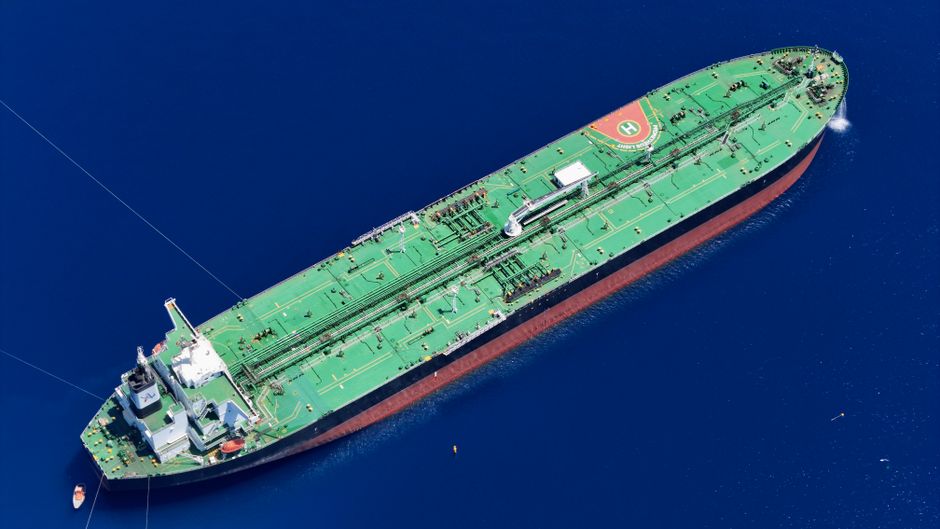
The Strait of Hormuz is arguably the world's most critical oil transit chokepoint. Located between Oman and Iran, it connects the Persian Gulf to the open ocean, specifically the Gulf of Oman and the Arabian Sea. An immense volume of crude oil and liquefied natural gas (LNG) passes through this narrow channel daily, accounting for roughly one-fifth of the world's total petroleum consumption and a significant portion of global seaborne oil trade. Any disruption or perceived threat to navigation in this strait can send immediate shockwaves through global energy markets, as traders anticipate potential supply shortages or delays.
Historically, geopolitical tensions in the Middle East have often correlated with fluctuations in oil prices. The region is home to some of the world's largest oil producers, and any political instability, military confrontations, or threats to maritime security can lead to a "risk premium" being factored into crude oil prices. This premium reflects the market's perception of potential supply disruptions, even if no actual disruption has occurred. Traders react to rhetoric and actions that suggest an increased likelihood of conflict or restrictions on shipping, pushing prices higher as a precautionary measure.
Donald Trump's previous administration was characterized by a robust and often confrontational foreign policy stance, particularly concerning Iran and regional security in the Middle East. His government withdrew from the Joint Comprehensive Plan of Action (JCPOA), commonly known as the Iran nuclear deal, and reimposed stringent sanctions on Tehran. Throughout his presidency, there were numerous instances of heightened rhetoric and naval deployments related to ensuring freedom of navigation in the Strait of Hormuz, often in response to alleged Iranian provocations or threats to shipping. While the specifics of the current reported ultimatum are unknown, the general theme of issuing strong warnings regarding the Strait of Hormuz aligns with a pattern of engagement seen during his time in office.
The current price point for Brent crude, nearing $111 per barrel, signifies a considerably high level in the context of recent global economic conditions. Elevated oil prices have far-reaching implications: they can contribute to inflationary pressures, increasing the cost of transportation, manufacturing, and consumer goods. For economies heavily reliant on oil imports, sustained high prices can strain national budgets and potentially slow economic growth. Consumers often feel the impact directly at the fuel pump, leading to increased household expenses and potentially affecting discretionary spending. This makes any development that could further push oil prices upwards a matter of significant global concern.
What happens next
The immediate aftermath of such reports typically involves close monitoring of the situation by global energy markets and international observers. Market participants will be keenly watching for any further statements, clarifications, or actions from Donald Trump or other relevant parties regarding the Strait of Hormuz. The specifics of any diplomatic responses or military posturing from regional powers or international coalitions will also be critical in shaping market sentiment.
Should the reported ultimatum escalate into a confirmed policy stance or lead to concrete actions, the potential for further oil price volatility is high. Conversely, if the situation de-escalates or the ultimatum proves to be less severe than market fears suggest, prices could stabilize or even retreat. The long-term trajectory of oil prices will depend heavily on the evolution of geopolitical dynamics in the Middle East and the broader global energy supply-demand balance. Businesses and consumers alike will need to prepare for potential continued fluctuations in energy costs as this situation unfolds.
FAQ
- What is the Strait of Hormuz? It is a narrow, strategically vital waterway connecting the Persian Gulf to the Arabian Sea, through which a significant portion of the world's oil supply passes daily.
- Why does an ultimatum regarding Hormuz affect oil prices? Any perceived threat to the free passage of oil tankers through this chokepoint creates fears of supply disruption, leading traders to bid up oil prices as a "risk premium."
- What is Brent crude? Brent crude is a major global benchmark for oil prices, primarily sourced from the North Sea. It's used to price two-thirds of the world's internationally traded crude oil.
- Has Donald Trump issued warnings about the Strait of Hormuz before? Yes, during his presidency, Trump's administration frequently issued strong warnings regarding freedom of navigation and security in the Strait of Hormuz, particularly concerning Iran.
- What does "ultimatum" mean in this context? It generally refers to a final demand or statement of terms, often implying serious consequences if the demands are not met. In geopolitical terms, it signals a strong stance and potential for escalated action.